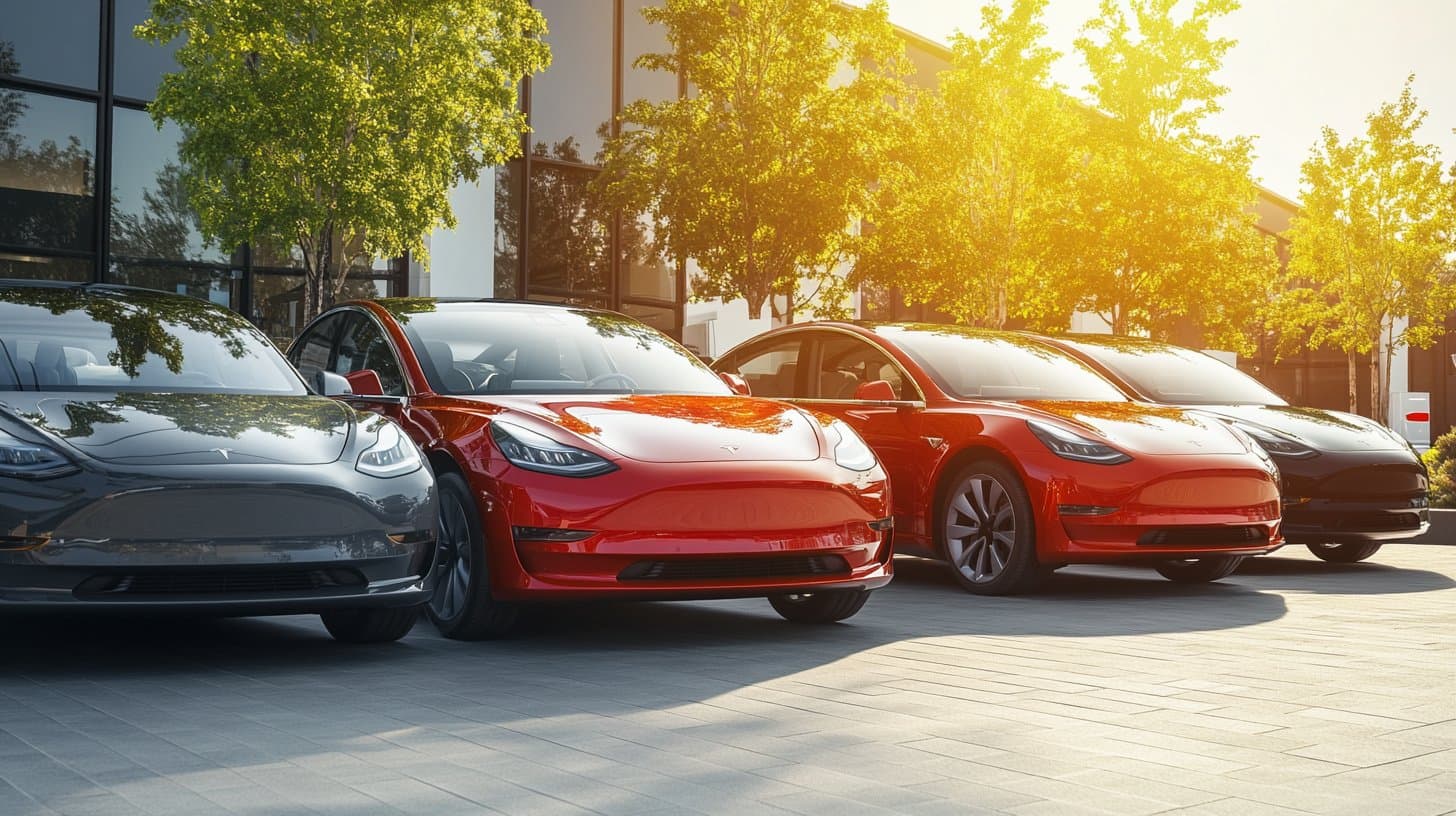
The era of affordable electric vehicles has officially arrived. Just a few years ago, finding the best EVs under 30k meant settling for limited range, bare-bones interiors, and compromised driving dynamics. In 2026, the landscape has transformed entirely. Automakers are competing aggressively on price, delivering electric cars with 250+ miles of range, modern technology, and genuine everyday practicality—all for less than $30,000 before incentives. Whether you're a first-time EV buyer or looking to downsize your transportation costs, these five vehicles prove that going electric no longer requires a premium budget.
The Affordable EV Revolution
The average price of a new electric vehicle has dropped by nearly 25% since 2023, driven by falling battery costs, increased manufacturing scale, and fierce competition among global automakers. Lithium-ion battery pack prices have dipped below $100 per kilowatt-hour—a threshold long considered the tipping point for EV price parity with internal combustion vehicles. This means manufacturers can now build affordable electric cars without sacrificing the range and features that buyers expect.
Federal tax credits have played an equally important role. The Inflation Reduction Act's $7,500 federal EV tax credit, now available as a point-of-sale discount at participating dealerships, effectively reduces the sticker price of qualifying models at the time of purchase. When you combine manufacturer incentives with federal and state credits, several vehicles on this list can be driven off the lot for well under $25,000—less than the average price of a new gas-powered car in America.
1. Chevrolet Equinox EV (from $27,500)
319 miles (LT)
85 kWh
6.0 seconds
$27,500
The Chevrolet Equinox EV is the undisputed champion of value in the budget EV segment. Built on GM's versatile Ultium platform, it delivers a staggering 319 miles of range in its base LT configuration—more than many electric vehicles costing twice as much. The interior feels a class above its price point, with an 11.3-inch infotainment touchscreen, wireless Apple CarPlay and Android Auto, and a clean, modern dashboard design that rivals premium competitors.
In real-world driving, the Equinox EV impresses with a smooth, composed ride and ample cabin space for five adults. The 57 cubic feet of maximum cargo capacity makes it genuinely practical for families, road trips, and daily errands alike. Chevrolet's massive dealer network ensures easy access to service, and DC fast charging at up to 150 kW means you can add roughly 70 miles of range in just 10 minutes during longer trips.
Best for: Buyers who want maximum range and space for the money. The Equinox EV is the closest thing to a do-everything affordable EV on the market today.
2. Nissan Leaf (from $28,140)
226 miles (S Plus)
62 kWh
6.4 seconds
$28,140
The Nissan Leaf is the veteran of the affordable EV market, and that experience shows. Now in its most refined form, the Leaf offers a proven, reliable platform backed by over a decade of real-world data from hundreds of thousands of owners worldwide. The e-Pedal one-pedal driving system is among the best in the industry, allowing drivers to accelerate and brake using only the accelerator pedal—a feature that becomes addictive once you've tried it.
The Leaf's 226-mile range in the S Plus configuration is more than sufficient for the vast majority of daily commutes and weekend errands. The interior is comfortable and well-appointed, with Nissan's ProPILOT Assist driver-assistance suite standard on higher trims. While the Leaf's CHAdeMO fast-charging connector is less common than the now-standard CCS/NACS plugs, Nissan has included adapters and expanded charging partnerships to ensure owners aren't left stranded. For urban commuters who charge primarily at home, the Leaf remains one of the most sensible and affordable electric cars available.
Best for: Commuters and city drivers who value proven reliability and low ownership costs over cutting-edge range numbers.
3. Chevrolet Bolt EUV (from $27,800)
247 miles
65 kWh
6.5 seconds
$27,800
The Chevrolet Bolt EUV has earned a loyal following as one of the most affordable and practical electric vehicles ever produced. The “EUV” stands for Electric Utility Vehicle, and the extra three inches of wheelbase over the standard Bolt translate into noticeably more rear legroom and a slightly more commanding driving position. The available Super Cruise hands-free driving system—rare in this price bracket—allows drivers to take their hands off the wheel on compatible highways, reducing fatigue on longer trips.
With 247 miles of range, the Bolt EUV handles daily commuting with ease and can manage most weekend road trips with a single charging stop. The peppy electric motor delivers 200 horsepower and instant torque that makes merging and city driving genuinely fun. Interior fit and finish have improved markedly in recent model years, and standard features including a 10.2-inch infotainment screen, heated front seats, and a comprehensive safety suite make it feel like a vehicle that should cost thousands more.
Best for: Tech-savvy buyers who want hands-free driving capability and a nimble, fun-to-drive EV without breaking the bank.
4. Volkswagen ID.4 (from $29,995)
275 miles (Standard)
82 kWh
5.7 seconds
$29,995
The Volkswagen ID.4 brings German engineering and European design sensibility to the affordable EV under $30,000 category. Built at Volkswagen's Chattanooga, Tennessee plant, the American-assembled ID.4 qualifies for the full federal tax credit, making it an exceptional value proposition. The spacious interior features a high roofline that creates a surprisingly airy cabin, and the 65 cubic feet of maximum cargo space rivals much larger SUVs.
On the road, the ID.4 delivers a composed, comfortable ride that excels on highway cruising and absorbs rough pavement with ease. The 275-mile range from the 82 kWh battery is competitive, and DC fast charging at up to 185 kW means a 10% to 80% charge takes approximately 30 minutes. Volkswagen has dramatically improved the infotainment software since the ID.4's launch, and the current system is responsive and intuitive. The plug-and-charge capability at many networks eliminates the need to juggle apps and RFID cards—just plug in and power flows automatically.
Best for: Buyers who prioritize ride comfort, interior space, and a refined driving experience in a compact SUV form factor.
5. Hyundai Ioniq 5 (from $29,900)
303 miles (Long Range RWD)
84 kWh
5.2 seconds
$29,900
The Hyundai Ioniq 5 is arguably the most feature-rich vehicle on this list, packing technology and performance that punch well above its price class. Its 800-volt electrical architecture—a feature typically found only in vehicles costing $60,000 or more—enables ultra-fast charging speeds that add roughly 200 miles of range in just 18 minutes at a 350 kW station. For buyers concerned about long-distance travel, this charging speed is a game-changer.
The retro-futuristic design stands out in parking lots, but the real magic is inside. The completely flat floor (courtesy of the dedicated EV platform) creates exceptional legroom for all passengers, and the sliding rear seats allow you to prioritize either passenger comfort or cargo space on the fly. The vehicle-to-load (V2L) feature lets you power external devices—from camping gear to power tools—directly from the car's battery, adding a layer of versatility that no other vehicle in this price range can match. Hyundai's 10-year/100,000-mile powertrain warranty provides outstanding long-term peace of mind.
Best for: Buyers who want the fastest charging, the most advanced tech, and a head-turning design at an accessible price.
Tax Credits and True Cost
One of the most significant advantages of buying an EV in 2026 is the federal tax credit under the Inflation Reduction Act. Qualifying vehicles can receive up to $7,500 in federal tax credits, and this incentive is now transferable to the dealer at the point of sale—meaning you don't have to wait until tax season to benefit. When applied to the vehicles on this list, the effective purchase prices become remarkably compelling:
$20,000 after credit
$20,300 after credit
$20,640 after credit
$22,400 after credit
$22,495 after credit
Many states offer additional incentives on top of the federal credit. California's Clean Vehicle Rebate, Colorado's $5,000 state tax credit, and New Jersey's sales tax exemption can further reduce costs. It's worth checking your state's incentive database, as these programs can stack to bring total out-of-pocket costs below $18,000 for some models—less than a base-model compact gas sedan.
Which Affordable EV Is Right for You?
Choosing the best EV under $30,000 depends on your priorities. If maximum range is your top concern, the Chevrolet Equinox EV's 319 miles is hard to beat at any price. If charging speed matters most for your lifestyle—perhaps you live in an apartment without home charging or take frequent road trips—the Hyundai Ioniq 5's 800-volt ultra-fast charging makes it the clear winner.
For urban commuters who primarily charge at home and value simplicity, the Nissan Leaf's proven reliability and one-pedal driving make it an excellent daily companion. Tech enthusiasts will appreciate the Bolt EUV's available Super Cruise, while buyers who prioritize interior space and ride refinement should put the Volkswagen ID.4 at the top of their test-drive list.
Regardless of which model you choose, the financial case for switching to electric has never been stronger. Lower fuel costs (electricity costs roughly one-third as much as gasoline per mile), minimal maintenance expenses (no oil changes, fewer brake replacements, simpler drivetrains), and generous incentives mean that the best budget EVs aren't just good for the environment—they're good for your wallet.
Find the Best Price on Your Next EV
Compare real-time pricing, dealer incentives, and available inventory on all of these models and more. Our EV Best Price Finder helps you secure the lowest price in your area.
Browse EV DealsRelated Articles
Best Used Electric Cars Under $25K in 2026
Explore the top pre-owned EVs that deliver outstanding value on a tighter budget.
GuideEV Tax Credits in 2026: Everything You Need to Know
A complete breakdown of federal and state incentives that can save you thousands.
Buying GuideLeasing vs. Buying an EV: Which Makes More Sense?
Compare the pros and cons of leasing versus purchasing your next electric vehicle.