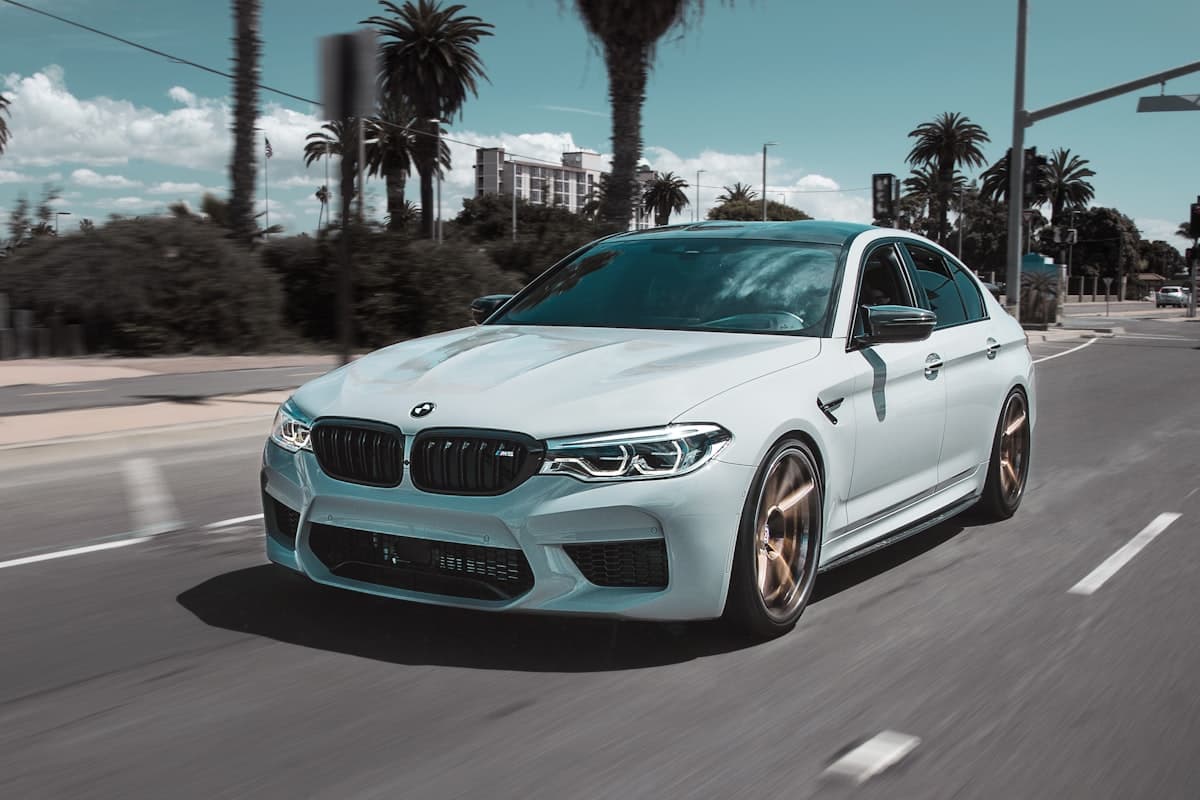
The BMW i4 vs Mercedes EQE comparison represents the pinnacle of German luxury electric sedans. Both manufacturers bring decades of premium car-making expertise to the EV space, but they've taken distinctly different approaches. The i4 prioritizes driving dynamics and sporty character, while the EQE focuses on serene comfort and cutting-edge technology. This comprehensive comparison will help you decide which best luxury electric sedan deserves your driveway.
Price and Trim Comparison
The BMW i4 eDrive40 starts around $52,200 while the Mercedes EQE 350+ begins at approximately $50,050. Both offer performance variants — the i4 M50 at roughly $69,700 and the EQE 500 4MATIC at about $74,900. At every level, you're getting genuine luxury with premium materials, advanced technology, and that unmistakable German engineering pedigree.
Driving Dynamics: Sport vs Comfort
This is where the BMW i4 review gets enthusiastic. BMW has always been about the Ultimate Driving Machine, and the i4 lives up to that legacy. The steering is precise and communicative, the chassis is balanced and predictable, and the M50 variant delivers genuinely thrilling performance with 536 horsepower and a 3.7-second 0-60 time. The i4 makes you want to take the long way home.
The Mercedes EQE takes the opposite approach — and does it brilliantly. The ride quality is almost supernaturally smooth, with the optional air suspension isolating occupants from road imperfections. The EQE is the car you want for cross-country drives, where comfort and refinement matter more than cornering g-forces. The EQE 500 4MATIC is no slouch with 402 horsepower, but it delivers power with composure rather than aggression.
Interior and Technology
The interior battle is where Mercedes potentially lands the knockout punch. The optional MBUX Hyperscreen is a 56-inch curved glass panel stretching across the entire dashboard, housing three displays including a dedicated passenger screen. It's visually stunning and functionally powerful, with AI-driven suggestions and natural voice control via "Hey Mercedes."
BMW's iDrive 8 system in the i4 takes a more restrained approach with a 14.9-inch curved display paired with a 12.3-inch instrument cluster. The interface is clean and responsive, and BMW retains physical controls for key functions — a decision many drivers appreciate. The i4's interior feels more driver-focused, while the EQE's cabin feels more like a luxury lounge.
BMW i4 Interior Highlights
- •iDrive 8 with curved dual display
- •Physical climate and volume controls retained
- •Sport seats with excellent bolstering
- •Harman Kardon surround sound standard
- •Driver-centric cockpit layout
Mercedes EQE Interior Highlights
- •Optional MBUX Hyperscreen (56-inch)
- •Dedicated passenger entertainment screen
- •64-color ambient lighting
- •Burmester 3D surround sound available
- •Lounge-like rear passenger experience
Range and Charging
Range figures are remarkably close between these two rivals. The i4 eDrive40 delivers approximately 301 miles EPA, while the EQE 350+ edges ahead with about 305 miles. Both vehicles support DC fast charging — the i4 at up to 200 kW and the EQE at up to 170 kW. In practice, the BMW charges slightly faster, going from 10% to 80% in about 31 minutes versus the Mercedes's 32 minutes.
For home charging, both support Level 2 at up to 11 kW (i4) and 9.6 kW (EQE base), giving you a full charge overnight. The i4 has a slight edge in charging flexibility, but neither vehicle will leave you stranded on road trips thanks to the expanding CCS/NACS charging network.
Practicality and Space
The EQE is the larger vehicle overall, offering more rear legroom and a more spacious cabin feel. The Mercedes's 21.7 cubic feet of trunk space edges out the BMW's 18.1 cubic feet. Both vehicles seat five, but the EQE's longer wheelbase translates to noticeably more comfort for rear passengers on long trips.
The i4, being based on the 4 Series Gran Coupe platform, offers a traditional liftback design that provides a wider cargo opening. This makes loading bulkier items easier despite the smaller total volume. Neither vehicle offers a front trunk, as both platforms share architecture with ICE siblings.
Safety and Driver Assistance
Both manufacturers offer comprehensive driver-assistance suites. BMW's Extended Driving Assistance Professional includes adaptive cruise with stop-and-go, lane centering, and automatic lane changes on highways. Mercedes counters with DRIVE PILOT, which in certain states offers SAE Level 3 conditional automated driving — meaning the car can drive itself in specific conditions while you do other things. This is a genuine differentiator for Mercedes and one of the most advanced production ADAS systems available.
Which Should You Choose?
Choose the BMW i4 If...
- •Driving engagement is your top priority
- •You want the fastest luxury EV sedan (M50)
- •You prefer physical controls in the cabin
- •Slightly faster DC charging matters
Choose the Mercedes EQE If...
- •Ultimate comfort and refinement matter most
- •You want the MBUX Hyperscreen experience
- •Rear passenger space is important
- •Level 3 autonomous driving appeals to you
Final Verdict
The BMW i4 and Mercedes EQE are both exceptional luxury electric sedans that prove the Germans haven't lost their edge in the EV era. The i4 is the driver's choice — engaging, responsive, and thrilling in M50 form. The EQE is the connoisseur's choice — refined, technologically advanced, and supremely comfortable. You genuinely can't go wrong with either.
Whichever you choose, a vehicle this refined deserves equally refined care. Premium paint protection and detailing from specialists who understand luxury EVs will keep your investment looking its best for years.