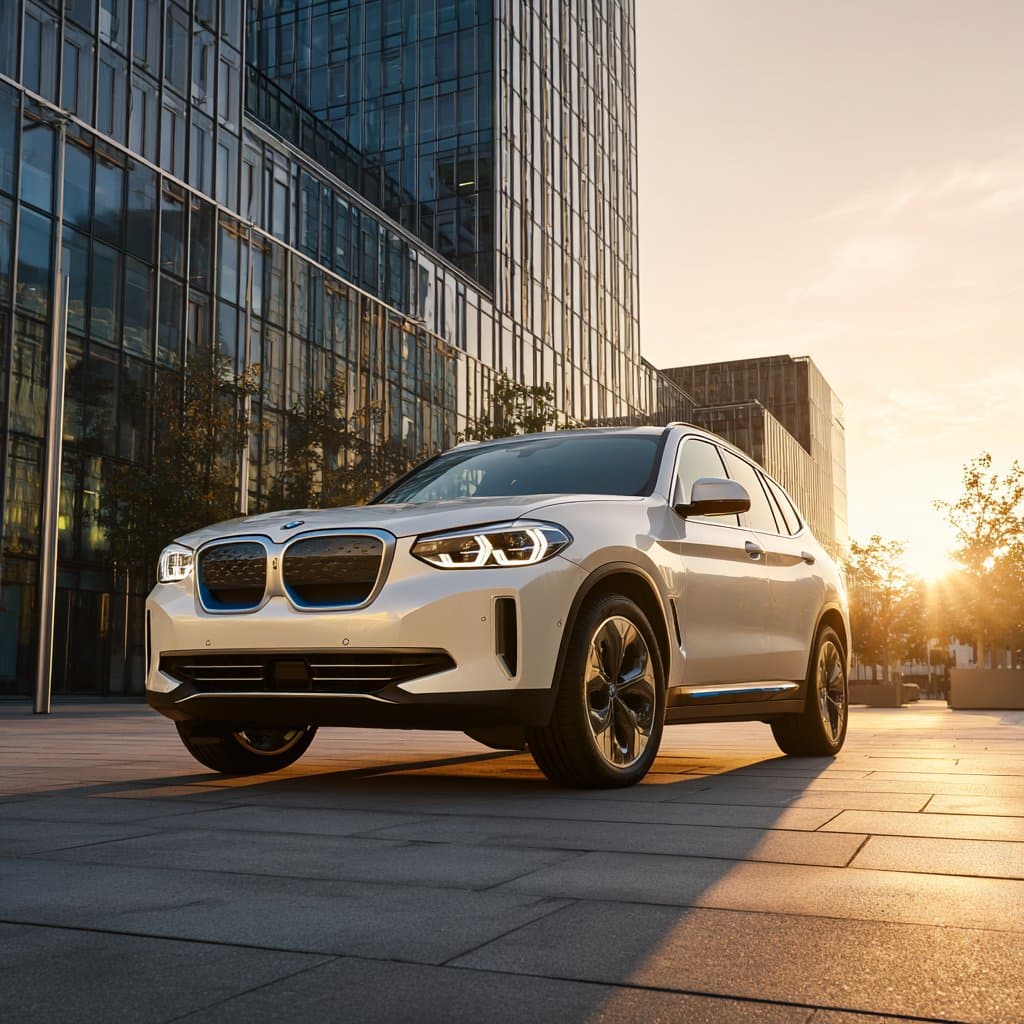
BMW just made a very strong argument that it's building the best electric car in the world.
The all-new iX3 took home not one but two major awards at the 2026 New York International Auto Show: World Car of the Year and World Electric Vehicle of the Year. It's BMW's 11th World Car Award overall, but this one feels different. This isn't a refinement of something that existed before. The iX3 is the first vehicle built on BMW's entirely new Neue Klasse platform — and it signals a complete reset of what a BMW electric car can be.
What is the Neue Klasse platform?
Think of Neue Klasse as BMW's clean-sheet answer to a question the company has been struggling with for years: how do you build an electric BMW that feels like a proper BMW?
Previous BMW EVs — the i4, iX, and i7 — were built on platforms shared with gas-powered models. That meant compromises. Battery packs had to fit into spaces designed for transmissions and exhaust systems. Weight distribution wasn't optimized for electric powertrains. Software architecture was layered on top of legacy systems.
Neue Klasse throws all of that away. It's a ground-up electric architecture designed from the first bolt to be a battery electric vehicle. BMW describes it as their first true “software-defined vehicle,” meaning the car's capabilities can evolve significantly through over-the-air updates throughout its life.
The platform uses cylindrical battery cells — a departure from the prismatic cells in current BMW EVs — developed in partnership with battery suppliers specifically for this architecture. The result is higher energy density, faster charging, and better packaging.
The specs that earned the awards
The iX3's numbers are genuinely impressive.
Over 400 miles of range. That's a significant jump from the current iX xDrive50's 324 miles. For most drivers, 400+ miles means charging once a week or less — effectively eliminating range anxiety as a consideration.
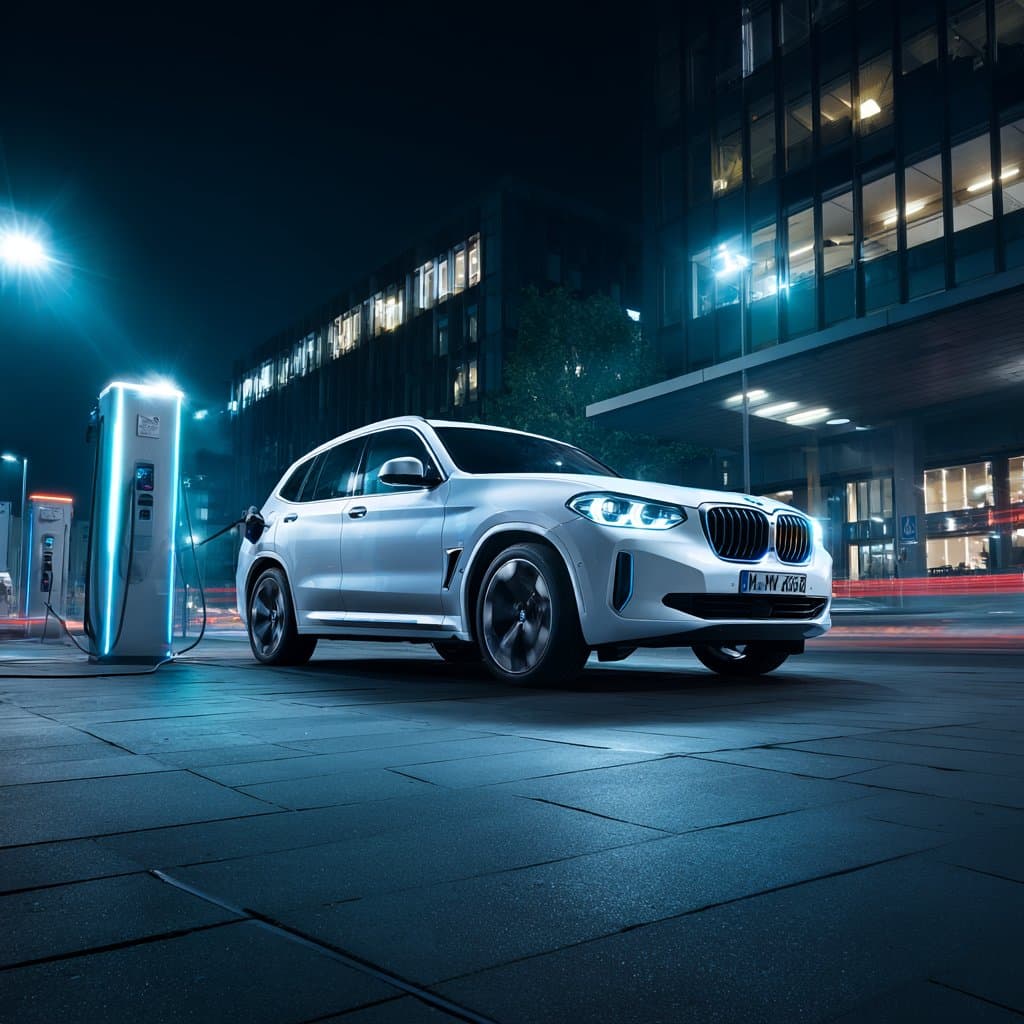
400-kilowatt DC fast charging. This is the headline number that changes the game. At 400 kW, the iX3 can add roughly 190 miles of range in 10 minutes. That's approaching gas-station-stop territory. Most current EVs top out at 150–270 kW, making the iX3's charging speed class-leading by a significant margin.
Rear-wheel drive base model. BMW made the smart decision to offer the iX3 40 with rear-wheel drive, a smaller battery, and a lower price — while still delivering an estimated 395 miles of WLTP range. This entry point makes the Neue Klasse accessible to buyers who don't need all-wheel drive, and rear-drive is the traditional BMW layout that driving enthusiasts prefer.
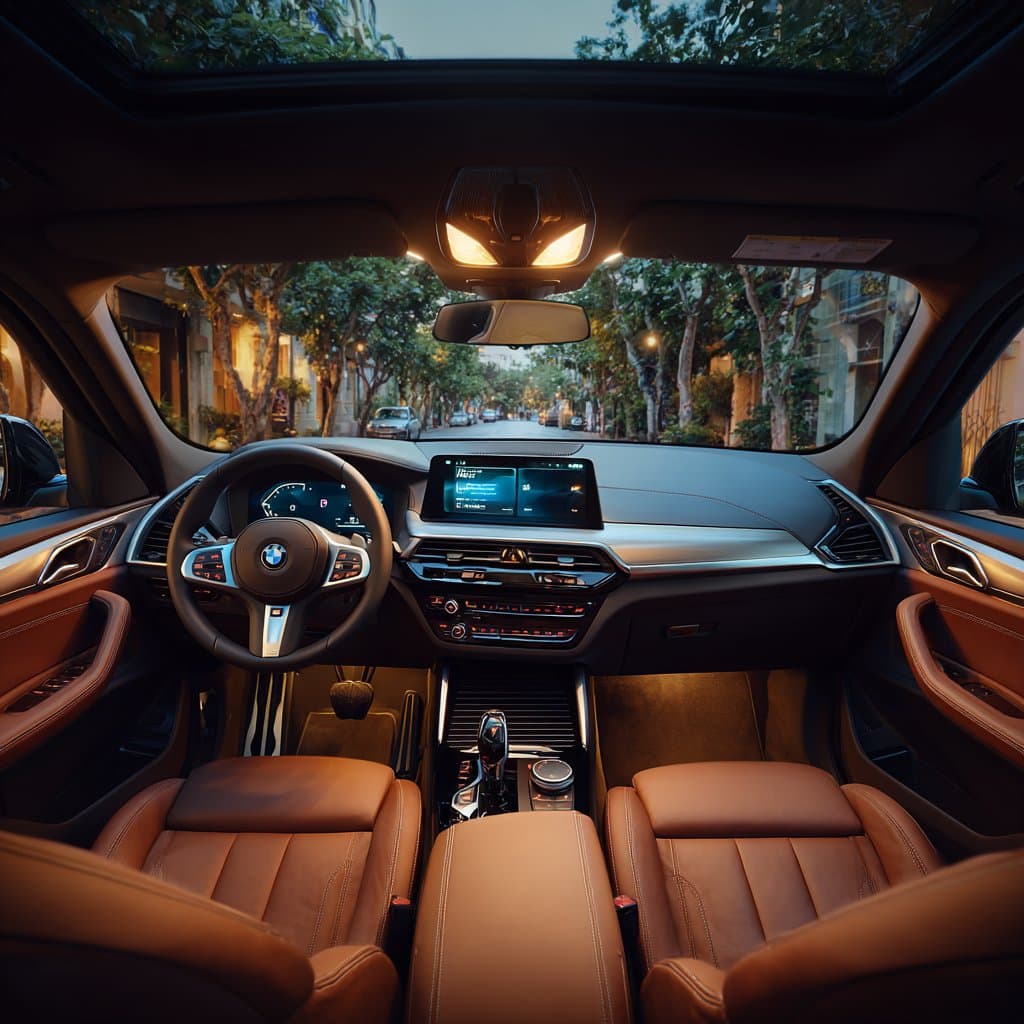
Panoramic display. The interior centers on a massive curved screen that stretches across much of the dashboard. BMW's new iDrive system runs on a custom operating system with an AI assistant that learns your preferences and adjusts vehicle settings proactively.
New design language. The iX3 looks like nothing else in BMW's current lineup. The kidney grilles are reimagined as flush illuminated panels. The proportions are athletic and purposeful. It's polarizing, as new BMW designs tend to be, but the World Car jury clearly approved.
How it compares to the competition
The iX3 enters a competitive segment, but its combination of range and charging speed gives it a clear technical edge.
Versus the Tesla Model Y: The Model Y remains the best-selling car in the world and offers excellent value. But the iX3 counters with significantly faster DC charging (400 kW vs. Tesla's typical 250 kW), a more premium interior, and BMW's driving dynamics. The Model Y wins on price and Supercharger network coverage.
Versus the Mercedes EQC/GLC EV: Mercedes is launching its own next-generation electric GLC this year, and reviewers are already calling it excellent. This will be a direct head-to-head fight in the luxury compact electric SUV segment. Mercedes has the edge in ride comfort; BMW typically wins on driving engagement.
Versus the Porsche Macan Electric: Porsche's electric Macan launched last year and is the sportiest option in this class. The iX3 matches it on charging speed and beats it on range, but the Macan's driving dynamics are hard to top. The iX3 will likely undercut it on price.
Versus the Hyundai Ioniq 5: The Ioniq 5 offers remarkable value with 800-volt charging at a much lower price point. The BMW counters with brand prestige, driving dynamics, and a more refined interior. Different buyers, but the Ioniq 5 proves you don't need to spend luxury money to get fast charging.
What this means for the EV market
BMW selling a 400-mile, 400-kW-charging electric SUV is a milestone for the industry, not just for BMW. It demonstrates that the technology exists today to build EVs that are genuinely superior to their gas-powered equivalents in virtually every measurable way.
When the original BMW iX launched a few years ago, critics noted that it felt like a transitional product — an EV built on compromises. The iX3 on Neue Klasse has no such limitations. It's a purpose-built electric vehicle from a company that's finally going all-in.
BMW has confirmed that every new model going forward will be built on the Neue Klasse platform. That means electric versions of the 3 Series, 5 Series, X3, X5, and eventually the entire lineup will benefit from this architecture. The iX3 is just the beginning.
For shoppers, the practical takeaway is this: if you've been waiting for a luxury EV that doesn't feel like a compromise, the iX3 should be on your test-drive list. The combination of range, charging speed, driving dynamics, and interior technology sets a new standard for what a mainstream luxury EV can deliver.
BMW took its time getting to this point. The iX3 suggests the wait was worth it.