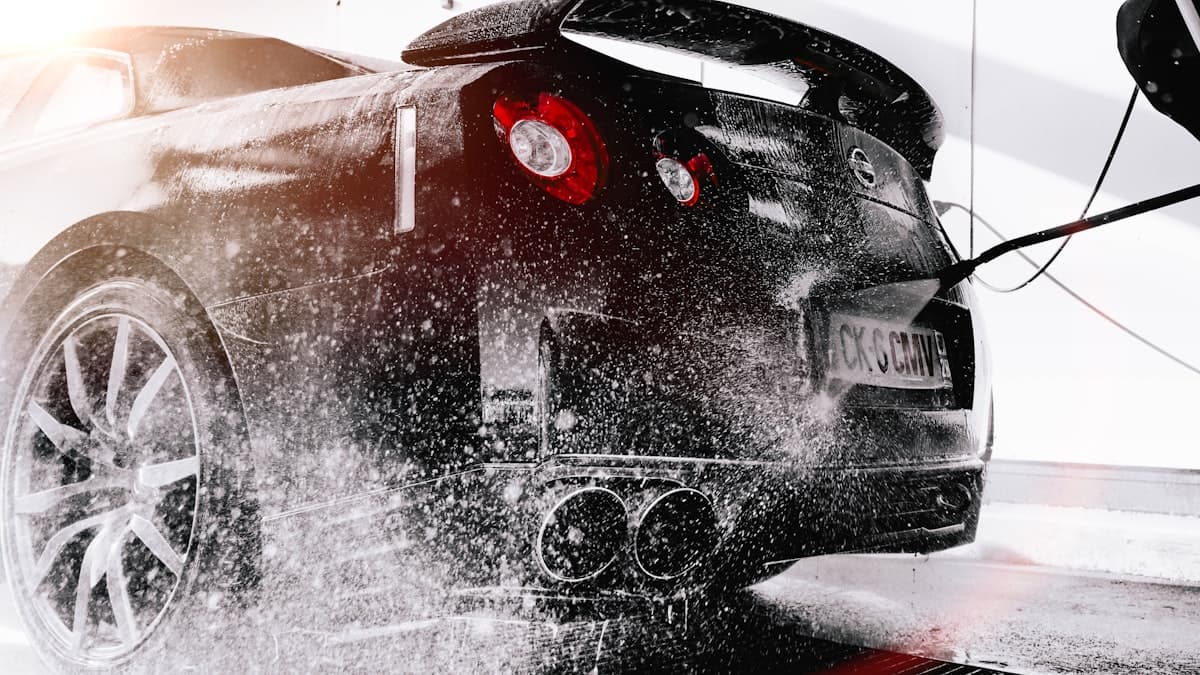
Your car's paint endures relentless punishment from UV rays, bird droppings, tree sap, road grime, and environmental contaminants every single day. Waxing is one of the simplest and most cost-effective ways to defend against all of it. But how often should you wax your car to keep it protected? The answer depends on several factors, including how you store your vehicle, the climate you live in, the type of wax you use, and even the color of your paint. This complete car waxing schedule guide covers everything you need to know to keep your vehicle's finish looking showroom-fresh year-round.
Why Waxing Your Car Actually Matters
Many car owners think of waxing purely as an aesthetic step — something that makes the paint look shiny for a few days. In reality, car wax serves as a sacrificial barrier between your clear coat and the outside world. Without that barrier, your paint is exposed directly to everything the environment throws at it, and the damage accumulates faster than most people realize.
Ultraviolet radiation is the number one enemy of automotive paint. UV rays break down the molecular bonds in your clear coat over time, causing oxidation that turns once-vibrant paint chalky, faded, and dull. A quality layer of wax absorbs and reflects a portion of UV energy before it reaches the clear coat, dramatically slowing the oxidation process. Think of it like sunscreen for your car's finish.
Beyond UV defense, wax creates a hydrophobic surface that causes water to bead and roll off rather than sitting on the paint. Standing water traps contaminants against the surface and accelerates corrosion, especially around chips and scratches. When water beads properly, it carries away dirt, pollen, and mineral deposits as it rolls off. This self-cleaning effect means your car stays cleaner between washes and requires less scrubbing when you do wash it — which in turn reduces the risk of wash-induced swirl marks.
Wax also forms a physical barrier against environmental contaminants such as bird droppings, bug splatter, tree sap, and industrial fallout. These substances are acidic or alkaline and will etch into unprotected clear coat within hours. With a wax layer in place, the contaminant sits on top of the wax rather than bonding with your paint, making it far easier to remove without leaving a permanent mark.
How Often Should You Wax Your Car: Frequency Recommendations
There is no single answer that works for every vehicle. The ideal car waxing frequency depends on your specific situation. Here are detailed recommendations based on the most common scenarios.
Garage-Kept Vehicles
If your car sleeps in a garage and is primarily driven for commuting on paved roads, you can typically wax every 3 to 4 months — roughly four times per year. The garage protects the wax layer from overnight dew, frost, and prolonged UV exposure, extending its effective lifespan considerably.
Outdoor-Parked Vehicles
Cars that live outside 24/7 need waxing every 6 to 8 weeks. Constant exposure to sunlight, rain, dew, temperature swings, and airborne pollutants breaks down wax protection much faster. In the peak of summer, you may even want to wax every 4 to 6 weeks if the vehicle sits in direct sun for most of the day.
Hot and Sunny Climates
States like Arizona, Florida, Texas, and Southern California subject vehicles to intense UV year-round. In these environments, wax every 4 to 6 weeks regardless of storage situation. The high UV index degrades wax layers rapidly, and the sooner you reapply, the better your paint stays protected.
Cold and Snowy Climates
Road salt, sand, and freeze-thaw cycles are brutal on wax. Apply a heavy-duty synthetic sealant or wax before winter arrives, then reapply mid-winter if you notice water is no longer beading. At minimum, wax thoroughly in late fall and again in early spring after salt season ends.
Dark-Colored Vehicles
Black, dark blue, dark green, and deep red paints show defects and fading more readily than lighter colors. Dark paint also absorbs more heat, which accelerates wax breakdown. Plan to wax dark-colored vehicles every 4 to 6 weeks during summer and every 6 to 8 weeks during cooler months. The extra attention is worth it — dark paint looks absolutely stunning when properly waxed, but every imperfection is visible when protection lapses.
Light-Colored and White Vehicles
White, silver, and light-colored paints are more forgiving. They reflect more UV, absorb less heat, and hide minor imperfections better. Waxing every 2 to 3 months is generally sufficient for lighter colors in moderate climates.
Types of Car Wax: Which One Is Right for You?
Not all waxes are created equal. The type of car wax or paint sealant you choose significantly affects how long your protection lasts, how the finish looks, and how much effort is required to apply it. Here is a breakdown of each major category.
Carnauba Paste Wax
Carnauba is a natural wax derived from the leaves of the Brazilian carnauba palm tree. It produces the warmest, deepest, most liquid-looking shine of any wax type — which is why car show enthusiasts swear by it. However, carnauba paste wax is the most labor-intensive to apply, requiring careful spreading, drying time, and buffing. It also has the shortest lifespan, typically lasting only 4 to 8 weeks depending on conditions. Best for: show cars, enthusiasts who enjoy the application process, and anyone who wants the absolute richest depth of shine.
Liquid Wax
Liquid waxes come in bottles and are easier to apply evenly than paste wax. They can be natural carnauba-based or synthetic, and they typically last 2 to 4 months. The application is faster — you spread it with an applicator pad, let it haze, and buff it off. Liquid wax strikes a good balance between ease of use, durability, and shine quality. Best for: everyday drivers who want a nice finish without the time commitment of paste wax.
Spray Wax
Spray waxes are the fastest and easiest to apply — simply spray on and wipe off. They are excellent as quick top-ups between full wax applications and can be used as a drying aid after washing. However, spray wax provides the thinnest protective layer and typically lasts only 2 to 4 weeks. Best for: quick maintenance coats between proper waxing sessions, or for people who wash their car weekly and want a quick boost each time.
Synthetic Paint Sealant
Synthetic sealants use engineered polymers instead of natural wax to bond with the paint surface. They last significantly longer than natural wax — typically 4 to 6 months — and provide superior protection against UV, chemicals, and environmental contaminants. The finish tends to look more glass-like and reflective compared to the warm glow of carnauba. Many detailing professionals apply a synthetic sealant as a base layer and then top it with carnauba for the best of both worlds. Best for: practical protection seekers who want maximum durability with minimal reapplication.
Ceramic Spray Coating
Ceramic spray products contain silicon dioxide (SiO2) that bonds with your clear coat to create an extremely hard, slick, and hydrophobic layer. They last 3 to 6 months and provide excellent water beading, chemical resistance, and UV protection. Application is slightly more involved than a standard spray wax — the surface must be completely clean and the product needs to cure. But the results and longevity are substantially better than traditional wax. Best for: owners who want near-ceramic-coating performance without the professional installation cost.
How to Tell When Your Car Needs Waxing: The Water Bead Test
Rather than relying purely on a calendar, you can test whether your wax protection is still intact with a simple water bead test. After washing your car or after a rain shower, look at how water behaves on horizontal surfaces like the hood, roof, and trunk lid.
When wax is fresh and working properly, water will form tight, round beads that sit high on the surface and roll off easily when the panel is tilted. As the wax degrades, the beads become flatter and wider, clinging to the surface instead of rolling off. When the wax is completely gone, water will sheet across the paint in a thin film with no beading at all.
If you notice flat, lazy water behavior on your paint, it is time to reapply wax regardless of when you last applied it. Environmental conditions, harsh car wash chemicals, and frequent washing can all strip wax faster than expected.
Another visual indicator is the "towel drag test." Run a clean microfiber towel across a waxed panel — it should glide effortlessly with almost no friction. If the towel drags, catches, or squeaks, the wax layer has worn through and needs reapplication.
Proper Car Waxing Technique: Step-by-Step
Applying wax correctly is just as important as choosing the right product. A poor application can leave streaks, high spots, and uneven protection. Follow this step-by-step car waxing process for professional results every time.
Step 1: Wash Thoroughly
Start with a proper two-bucket wash or foam cannon pre-wash. Remove all surface dirt, grime, and debris. Any particles left on the paint will be ground into the surface when you apply wax, creating scratches. Use a pH-neutral car wash soap — household dish soap strips existing wax and can be too harsh on clear coat.
Step 2: Decontaminate the Surface
After washing, run your hand across the paint. If it feels rough or gritty, use a clay bar or clay mitt with a clay lubricant to remove embedded contaminants like iron particles, brake dust, and industrial fallout. The surface should feel glass-smooth before waxing. Skip this step only if the paint already feels perfectly smooth.
Step 3: Dry Completely
Dry the entire vehicle with clean microfiber drying towels or a forced-air blower. Wax should never be applied to a wet surface — water trapped under the wax will create spots and prevent proper bonding. Pay special attention to panel gaps, mirrors, door handles, and other areas where water hides.
Step 4: Apply Wax in Thin, Even Layers
Less is more with wax. Using a foam applicator pad, apply a thin, even layer to one panel at a time. Use straight, overlapping motions — not circles — to avoid creating swirl patterns. Work in the shade and on a cool surface. Applying wax in direct sunlight or on hot paint causes it to flash-dry and become extremely difficult to remove.
Step 5: Allow Proper Haze Time
Let the wax haze over for the amount of time specified on the product label, typically 5 to 15 minutes. The wax should turn to a light, cloudy film. If it dries too long, it becomes very hard to buff off. If you wipe too soon, you remove product before it has bonded with the surface.
Step 6: Buff with a Clean Microfiber Towel
Use a clean, high-quality microfiber buffing towel to remove the haze. Flip and fold the towel frequently to always work with a clean side. Use light to moderate pressure and straight-line motions. Inspect each panel under good lighting to ensure no residue remains in crevices, around emblems, or along trim edges.
Step 7: Apply a Second Coat (Optional)
For maximum protection and depth of shine, apply a second thin coat after the first has been fully buffed. Two thin coats provide better coverage and longevity than one thick coat. Allow the first coat to cure for at least 30 minutes before applying the second layer.
Best Time of Year to Wax Your Car
Timing your waxing schedule around the seasons maximizes protection when your paint needs it most. The two most critical waxing windows are late spring and late fall.
In late spring, a thorough wax application prepares your paint for the intense UV exposure of summer. Sun damage accumulates rapidly from June through August, so entering summer with a fresh layer of protection is essential. This is also when pollen, bug splatter, and tree sap are at their worst.
In late fall, waxing before winter creates a barrier against road salt, de-icing chemicals, sand, and the constant moisture that accelerates corrosion. Even if you plan to wash your car less frequently during winter, the wax layer continues working to protect the paint from chemical attack.
The ideal waxing temperature is between 55°F and 80°F in a shaded area. Avoid waxing in direct sunlight, in extreme cold, or on extremely hot panels. Early morning or late afternoon on a mild, overcast day provides the perfect conditions for wax application.
Wax vs. Sealant vs. Ceramic Coating: Which Should You Choose?
Understanding the differences between these three categories of paint protection helps you choose the right solution for your budget, lifestyle, and expectations.
Traditional Wax (Natural Carnauba)
Durability: 4 to 8 weeks. Cost: $15 to $40 per product. Produces the warmest, deepest shine. Requires the most frequent reapplication. Best for enthusiasts who enjoy the waxing ritual and value the signature carnauba look above all else. You will need to wax 8 to 12 times per year to maintain continuous protection.
Synthetic Sealant
Durability: 4 to 6 months. Cost: $20 to $50 per product. Provides a glossy, glass-like finish. Easier to apply than paste wax and lasts significantly longer. Best for practical owners who want excellent protection without frequent reapplication. Two to three applications per year keeps continuous coverage.
Professional Ceramic Coating
Durability: 2 to 5 years. Cost: $500 to $2,000 for professional installation. Provides the hardest, most durable, and most hydrophobic protection available. Once applied, you do not need to wax at all — just wash and maintain. Requires professional surface preparation and application. Best for owners who want long-term, low-maintenance protection and are willing to invest upfront for years of worry-free performance.
Many detailing enthusiasts use a layered approach: a professional ceramic coating as the permanent base, topped periodically with a ceramic spray for added slickness and hydrophobic performance. This combination provides both the long-term durability of ceramic and the satisfaction of regular maintenance detailing.
Common Car Waxing Mistakes to Avoid
Even experienced car owners fall into these common traps when waxing. Avoiding these waxing mistakes will save you time, produce better results, and prevent damage to your paint.
Waxing a Dirty Car
This is the most damaging mistake. Applying wax over dirt, dust, or contaminants grinds those particles into the clear coat, creating fine scratches and swirl marks. Always wash and decontaminate before waxing.
Applying Too Much Product
A thick layer of wax does not provide more protection than a thin layer. It simply wastes product and makes buffing extremely difficult. Apply just enough to create a thin, even film across the surface.
Waxing in Direct Sunlight
Hot panels cause wax to bake on almost instantly. This results in white residue that is nearly impossible to buff off without aggressive polishing. Always wax in the shade with cool panels.
Using Circular Motions
Circular application and buffing patterns create visible swirl marks, especially on dark paint. Use straight, overlapping lines that follow the length of each panel for the most uniform finish.
Neglecting Trim and Rubber
Getting wax on black plastic trim, rubber seals, and textured surfaces leaves white staining that is difficult to remove. Use painter's tape to mask off trim, or apply trim restorer after waxing to clean up any residue.
Using Old or Contaminated Towels
Microfiber towels pick up grit and particles. Using a dirty towel to buff wax is essentially sanding your paint with fine abrasive. Always use freshly laundered microfiber towels and fold them to expose clean surfaces as you work.
Skipping the Water Bead Test
Many owners rewax on a fixed schedule without checking whether the existing coat is still performing. If your wax is still beading well, reapplying is unnecessary and wastes product. Conversely, if beading has stopped, waiting for your scheduled date means your paint is unprotected.
Product Recommendations by Category
Choosing the right wax product can be overwhelming given the hundreds of options available. Here are trusted car wax product recommendations in each category that consistently deliver excellent results.
For carnauba paste wax, look for products that contain a high percentage of Grade 1 yellow carnauba combined with polymers for improved durability. Premium carnauba paste waxes typically cost $30 to $60 and deliver a warm, wet-look finish that is unmatched. They work exceptionally well on dark colors and metallic paints where depth of shine is paramount.
For liquid wax, seek formulas that blend carnauba with synthetic polymers. These hybrid products give you the warm shine of carnauba with significantly better longevity. Most quality liquid waxes last 2 to 4 months and cost $15 to $35. They are the best all-around choice for most car owners.
For spray wax and detail spray, choose SiO2-infused formulas. Ceramic spray waxes dramatically outperform traditional spray waxes in durability, water beading, and slickness. They cost $12 to $25 and can be used weekly as a wash-and-wax booster or standalone quick protection.
For synthetic sealant, look for pure polymer sealants that cure to a hard, durable shell. These products often provide 6 months of protection from a single application. They are the most practical option for daily drivers where time is limited and maximum durability is the goal. Expect to pay $20 to $50.
For those considering professional ceramic coating, this is a one-time investment that eliminates the need for regular waxing entirely. A professional-grade ceramic coating from a certified installer costs $500 to $2,000 depending on the vehicle size and coating tier, but provides 2 to 5 years of superior protection, extreme hydrophobic properties, and enhanced gloss that no wax can match.
Building Your Personal Waxing Schedule
The best car waxing schedule is one you will actually follow consistently. Here is a practical framework you can adapt to your situation. Start by deciding which product type fits your lifestyle — if you enjoy detailing, go with carnauba paste for the ultimate hands-on experience. If you want practical protection with minimal effort, choose a synthetic sealant or ceramic spray.
Next, set calendar reminders based on the product's expected lifespan, adjusted for your climate and storage situation. Between full wax applications, use a spray wax or detail spray after every wash to refresh the hydrophobic layer and extend the life of your base coat of protection.
Finally, perform the water bead test monthly. If your beading is still tight and water rolls off easily, your wax is holding up. If beading has degraded, bump up your next waxing session regardless of the calendar. This responsive approach ensures your paint is never left unprotected while also avoiding unnecessary reapplication.
Whether you wax your car every month or rely on a professional ceramic coating that lasts for years, the important thing is that your paint always has a protective layer between it and the world. Consistent protection today prevents costly paint correction and refinishing tomorrow — and keeps your vehicle looking its absolute best every time you walk up to it.