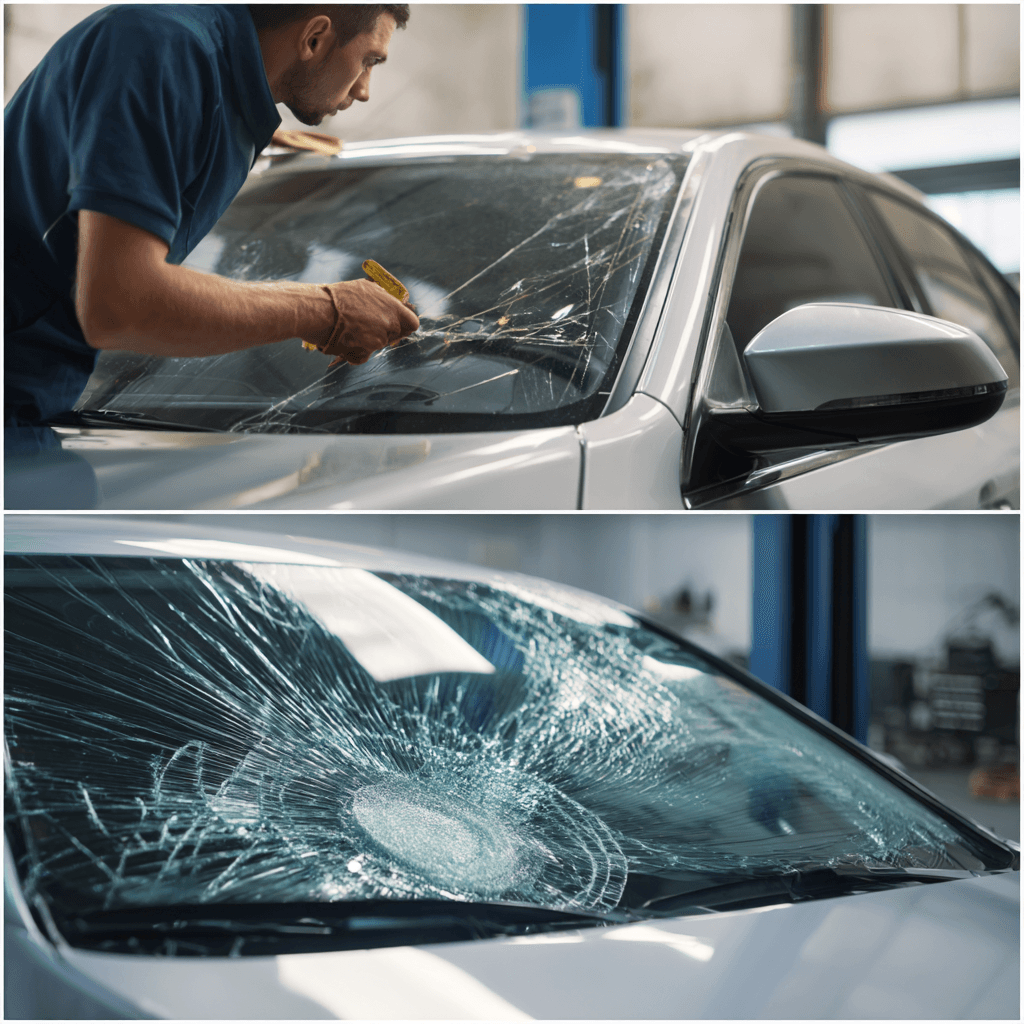
After a car accident, the last thing you want is the added stress of choosing the wrong repair shop. Knowing how to choose a body shop after an accident can save you thousands of dollars, weeks of delays, and a lot of frustration. This guide walks you through everything you need to know to find a trusted body shop that will restore your vehicle properly.
Can You Choose Your Own Body Shop?
Yes — and this is one of the most important things to know. Your insurance company may recommend or steer you toward their preferred shops (called Direct Repair Program or DRP shops), but you have the legal right to choose any body shop you want in all 50 states. No insurance company can require you to use a specific shop.
That said, DRP shops aren't automatically bad. Many are highly qualified. The key is making an informed choice rather than defaulting to whoever the adjuster suggests.
What Certifications to Look For
Certifications tell you a shop has invested in training and meets industry standards. Look for these credentials when evaluating a collision repair shop:
- •I-CAR Gold Class — The highest industry training standard. Only about 20% of shops achieve this. It means the entire team maintains ongoing education in repair techniques.
- •ASE Certification — Automotive Service Excellence certification ensures technicians have passed rigorous testing in their specialty areas.
- •OEM Certifications — Manufacturer-specific certifications (Tesla, BMW, Mercedes, etc.) mean the shop is approved to work on specific brands using factory procedures and parts.
- •EPA Compliance — Proper environmental certifications show the shop operates responsibly and follows regulations.
Red Flags to Avoid
- ✕No written estimate — Any legitimate shop will provide a detailed written estimate before starting work.
- ✕Pressuring you to skip insurance — A shop that encourages you to pay out of pocket and avoid filing a claim may be cutting corners.
- ✕No warranty on repairs — Reputable shops offer written warranties on their work, typically 1-5 years or lifetime.
- ✕Unlicensed or no visible credentials — Check for proper business licensing and displayed certifications.
- ✕Extremely low estimates — If one quote is dramatically lower than others, the shop may be planning to use substandard parts or skip important repair steps.
Questions to Ask Before Committing
- 1.What warranty do you offer? — Look for at least a written lifetime warranty on workmanship.
- 2.What's the estimated timeline? — Get a realistic completion date in writing.
- 3.Do you use OEM or aftermarket parts? — OEM parts are made by the vehicle manufacturer and fit perfectly. Aftermarket parts are cheaper but may not match as well.
- 4.Can you help with a rental car? — Many shops coordinate directly with insurance for rental vehicle coverage.
- 5.How do you handle supplements? — Additional damage found during teardown is common. The shop should handle supplement negotiations with your insurer.
Insurance-Approved vs Independent Shops
DRP / Insurance-Approved
- +Streamlined claims process
- +Direct communication with insurer
- +Often guaranteed by insurance company
- -May prioritize insurer relationship over quality
- -Pressure to use cheaper parts
Independent Shops
- +Prioritize customer over insurance company
- +More likely to use OEM parts
- +Will fight for proper repair procedures
- -You may need to handle more paperwork
- -Claims process may take slightly longer
How to Check Reviews and Reputation
Before committing to any body shop after a car accident, research their reputation across multiple sources:
- •Google Reviews — Look for 4.5+ stars with 50+ reviews. Read the negative reviews carefully for patterns.
- •BBB Rating — Check for complaints and how they were resolved.
- •Word of Mouth — Ask friends, family, and your mechanic for personal recommendations.
- •Before/After Photos — Reputable shops showcase their work. Ask to see examples of similar repairs.
What to Expect During the Repair Process
- 1.Initial Estimate — The shop writes an estimate based on visible damage. This is a starting point, not the final number.
- 2.Teardown & Inspection — Panels are removed to reveal hidden damage. This almost always uncovers additional repairs needed.
- 3.Supplement Filing — The shop documents additional damage and negotiates with your insurer for added coverage.
- 4.Repair Work — Structural repairs, panel replacement, body work, and paint are completed.
- 5.Quality Control — The shop inspects all work, checks panel gaps and alignment, and verifies paint match.
- 6.Delivery — You inspect the vehicle, review the work, and sign off on completion.
Final Thoughts
Choosing the right body shop after an accident is one of the most important decisions you'll make during the repair process. Take the time to research certifications, read reviews, ask the right questions, and don't let anyone pressure you into a shop you're not comfortable with.
Remember: you have the right to choose your own shop, you deserve OEM-quality repairs, and a good body shop will advocate for you throughout the insurance process.