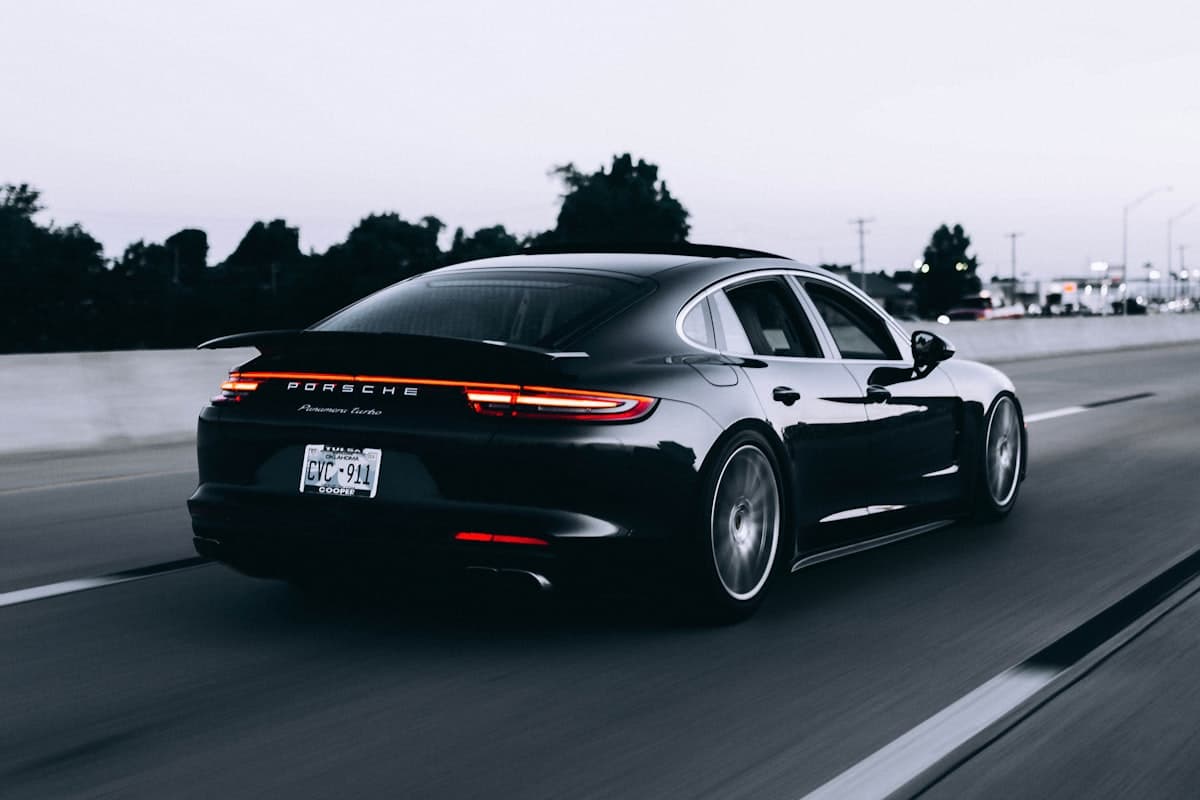
One of the most common questions new EV owners ask is: do electric cars need oil changes? The short answer is no. Electric vehicles don't have internal combustion engines, so there's no engine oil to change. But that's just the beginning of the EV maintenance myths that confuse drivers every day. In this comprehensive guide, we'll separate fact from fiction and walk you through everything your electric car actually needs — and everything it doesn't — to stay in peak condition for years to come.
Why Electric Cars Don't Need Oil Changes
In a traditional gasoline or diesel vehicle, engine oil lubricates the hundreds of moving parts inside the internal combustion engine. Over time, this oil breaks down due to heat, friction, and contamination, requiring regular replacement every 3,000 to 10,000 miles depending on the vehicle and oil type. Electric vehicles eliminate this requirement entirely because they use electric motors instead of combustion engines. An electric motor has far fewer moving parts — typically just a single rotating shaft supported by bearings — and doesn't generate the same type of heat and byproducts that degrade engine oil.
This single difference is one of the biggest reasons why EV maintenance costs are significantly lower than those of traditional vehicles. Without the need for oil changes, oil filters, and the associated labor, EV owners save hundreds of dollars each year right from the start. Some electric vehicles do use a small amount of lubricant in the gear reduction unit, but this fluid is typically sealed for the life of the vehicle and doesn't require periodic replacement under normal driving conditions.
Maintenance Items Your EV Does NOT Need
Beyond oil changes, there are several other traditional maintenance tasks that electric cars simply don't require. Understanding what you can skip helps you avoid unnecessary service visits and save money over the life of your vehicle.
Maintenance Items Eliminated by EVs
- •Engine Oil and Oil Filter Changes — No combustion engine means no oil to change. This alone saves $200-$600 per year depending on the vehicle and oil type.
- •Transmission Fluid — Most EVs use a single-speed gear reduction unit rather than a multi-speed transmission. There's no automatic transmission fluid to flush or replace.
- •Timing Belts and Chains — Internal combustion engines use timing belts or chains to synchronize engine components. EVs have no such parts, eliminating an expensive replacement that typically costs $500-$1,000 every 60,000-100,000 miles.
- •Spark Plugs — Electric motors don't rely on combustion, so there are no spark plugs to wear out or replace.
- •Fuel Filters — Without a fuel system, there's no fuel filter to service.
- •Exhaust System Repairs — No exhaust pipes, catalytic converters, or mufflers means no rust, leaks, or replacements to worry about.
- •Emission Testing — In most states, EVs are exempt from emissions inspections since they produce zero tailpipe emissions.
Why EV Brake Pads Last Much Longer
One of the most underappreciated benefits of electric vehicle ownership is dramatically reduced brake wear thanks to regenerative braking. When you lift your foot off the accelerator in an EV, the electric motor reverses its function and acts as a generator, converting the vehicle's kinetic energy back into electrical energy stored in the battery. This process slows the car down without engaging the traditional friction brakes.
In practice, most EV drivers use their friction brakes far less frequently than drivers of conventional vehicles. Many modern EVs offer one-pedal driving modes where regenerative braking is strong enough to bring the car to a complete stop without ever touching the brake pedal. As a result, EV brake pads can last 100,000 miles or more, compared to 30,000-70,000 miles for conventional vehicles. This is a significant cost saving over time, as a full brake pad and rotor replacement can cost $300-$800 per axle.
However, there is one caveat: because the friction brakes are used less often, they can be prone to corrosion and seizing, especially in regions with harsh winters and road salt. It's a good idea to periodically apply the brakes firmly to keep the rotors clean and the calipers functioning properly, even if you primarily rely on regenerative braking.
Maintenance Items Your EV Still Needs
While EVs eliminate many traditional maintenance tasks, they are not entirely maintenance-free. There are several important service items that every electric car owner needs to stay on top of to keep their vehicle running safely and efficiently.
Essential EV Maintenance Checklist
1. Tire Rotation and Replacement
EVs are heavier than comparable gas vehicles due to their battery packs, and electric motors deliver instant torque. Both factors contribute to faster tire wear. Plan on rotating your tires every 5,000-7,500 miles and replacing them sooner than you might on a traditional car. Many EV owners find they need new tires every 25,000-30,000 miles compared to 40,000-50,000 miles for conventional vehicles. Using EV-specific tires designed for the extra weight and low rolling resistance can help extend tire life.
2. Cabin Air Filter
Just like any vehicle, your EV has a cabin air filter that cleans the air entering the passenger compartment through the HVAC system. This filter should be replaced every 15,000-25,000 miles or once a year, depending on driving conditions. Vehicles equipped with HEPA filtration systems, such as certain Tesla models, may have more specific replacement intervals.
3. Brake Fluid
Even though EV brake pads last longer, the hydraulic brake fluid still degrades over time. Brake fluid is hygroscopic, meaning it absorbs moisture from the air, which lowers its boiling point and can lead to reduced braking performance. Most manufacturers recommend replacing brake fluid every 2-3 years regardless of mileage. This service typically costs $100-$200.
4. Coolant for Thermal Management
Your EV's battery pack and power electronics use a liquid cooling system to maintain optimal operating temperatures. This coolant needs to be inspected and eventually replaced to prevent corrosion and ensure efficient thermal management. Replacement intervals vary by manufacturer but typically fall between 50,000 and 150,000 miles. Tesla recommends checking coolant at around 50,000 miles, while some other manufacturers suggest replacement at 100,000 miles or more.
5. 12-Volt Battery
Every EV has a traditional 12-volt battery that powers accessories like the lights, door locks, infotainment system, and onboard computers. This battery has a typical lifespan of 3-5 years and costs $100-$300 to replace. When the 12V battery dies, your EV may not start even if the main high-voltage battery is fully charged. Some newer EVs are beginning to use lithium-ion 12V batteries that last longer, but most still use traditional lead-acid units.
6. Windshield Wipers and Washer Fluid
These wear items are identical between EVs and conventional vehicles. Replace wiper blades every 6-12 months and keep the washer fluid reservoir topped off. This is inexpensive but essential for safe driving in poor weather conditions.
7. Suspension and Steering Components
The suspension, wheel bearings, and steering components on an EV wear just like those on any vehicle. The added weight of the battery pack may actually accelerate wear on these components. Have them inspected during regular service visits and address any unusual noises or handling changes promptly.
Annual Maintenance Cost: EV vs. Gas Car
One of the strongest selling points for electric vehicles is the dramatically lower annual maintenance cost. Multiple studies and real-world data confirm that EV owners spend significantly less on routine maintenance compared to owners of internal combustion engine vehicles.
Electric Vehicle (Annual Average)
Tires, cabin filter, wiper blades, brake fluid, coolant check, 12V battery (prorated)
Gas-Powered Vehicle (Annual Average)
Oil changes, filters, brakes, transmission service, spark plugs, belts, exhaust, tires
Estimated Annual Savings with EV
Savings compound over the life of the vehicle — $3,000+ over 5 years
Over a typical 5-year ownership period, EV owners can save approximately $3,000 or more on maintenance alone. When combined with lower fuel costs — electricity is significantly cheaper than gasoline on a per-mile basis — the total cost of ownership for an EV becomes very competitive even with the higher purchase price. These savings are even more pronounced for drivers who put high mileage on their vehicles each year, since the per-mile maintenance cost advantage of EVs grows with usage.
EV Battery Warranty Coverage: What You Need to Know
The high-voltage battery pack is the most expensive single component in an electric vehicle, often representing 30-40% of the vehicle's total cost. Understandably, many prospective EV buyers worry about battery replacement costs and warranty coverage. The good news is that federal regulations require manufacturers to warranty EV batteries for a minimum of 8 years or 100,000 miles in most states, and 10 years or 150,000 miles in states that follow California emission standards.
Typical EV Battery Warranty Coverage
- •Federal Minimum — 8 years / 100,000 miles for the battery and electric drivetrain components.
- •CARB States (California and 15+ others) — 10 years / 150,000 miles, with many manufacturers guaranteeing the battery retains at least 70% of its original capacity.
- •Hyundai/Kia — 10 years / 100,000 miles across all states, with a battery capacity guarantee.
- •Tesla — 8 years with mileage limits varying by model (100,000-150,000 miles), guaranteeing a minimum of 70% battery retention.
It's worth noting that real-world battery degradation data has been very encouraging. Most modern EV batteries retain well over 80% of their original capacity even after 200,000 miles. Battery technology has improved dramatically since the early days of EVs, and catastrophic battery failures are extremely rare. That said, you can maximize your battery's lifespan by avoiding frequent DC fast charging, keeping the state of charge between 20-80% for daily driving, and avoiding prolonged exposure to extreme heat.
Common EV Maintenance Myths Debunked
Let's tackle some of the most persistent myths about electric car maintenance that continue to circulate among car owners and prospective EV buyers.
Myth: EVs are maintenance-free
Reality: While EVs require far less maintenance than gas cars, they are not zero-maintenance vehicles. Tires, brakes, cabin filters, coolant, and the 12V battery all need periodic attention. Skipping these services can lead to safety issues and expensive repairs down the line.
Myth: EV batteries need to be replaced every few years
Reality: Modern EV batteries are designed to last the life of the vehicle. With proper care, most batteries will retain 80% or more of their original capacity after 200,000 miles. Warranty coverage of 8-10 years provides additional peace of mind.
Myth: Any mechanic can service an EV
Reality: While basic tasks like tire rotations can be done anywhere, many EV-specific services require specialized training and equipment. High-voltage systems are dangerous to work on without proper certification. Always choose a shop with EV experience for anything beyond basic maintenance.
Myth: You need special tires for an EV
Reality: While EV-specific tires exist and offer benefits like lower rolling resistance and better handling of the extra weight, you can use standard tires on most EVs. However, EV-optimized tires may improve range by 3-5% and offer better noise isolation, making them a worthwhile upgrade.
Myth: EV maintenance is more expensive because everything is proprietary
Reality: Many EV maintenance items — tires, wipers, brake fluid, cabin filters — are standard automotive parts. While some EV-specific components like the battery thermal management system may cost more to service, the overall maintenance expenditure is substantially lower than for a comparable gas vehicle.
Creating Your EV Maintenance Schedule
Having a clear maintenance schedule for your electric vehicle ensures nothing falls through the cracks. While you should always consult your owner's manual for manufacturer-specific recommendations, here's a general guideline that applies to most modern EVs:
Every 5,000-7,500 Miles
Tire rotation, visual inspection, tire pressure check
Every 12 Months
Cabin air filter replacement, wiper blade inspection, brake inspection, 12V battery check
Every 2-3 Years
Brake fluid replacement, multi-point safety inspection
Every 3-5 Years
12V battery replacement, desiccant bag replacement (if applicable)
Every 50,000-150,000 Miles
Thermal management coolant replacement, gear reduction fluid check
Finding the Right EV Service Specialist
As the EV market grows, more service shops are adding EV capabilities, but the quality of service varies widely. When choosing a shop for your electric vehicle maintenance, look for the following qualifications:
First, confirm that the shop has technicians who are certified to work on high-voltage systems. Organizations like ASE offer EV-specific certifications, and many manufacturers provide their own training programs. Working on EV components without proper training is not only risky for the technician but can also void your warranty and cause expensive damage to your vehicle.
Second, ask about their experience with your specific make and model. A shop that regularly services Teslas may not have the same depth of knowledge about a Rivian or a Hyundai Ioniq. Brand-specific experience matters because each manufacturer has unique systems, diagnostic procedures, and service requirements.
Third, verify that they have the proper diagnostic tools and equipment. EVs require specialized scan tools to access battery management system data, motor controller diagnostics, and charging system information. A shop using generic OBD-II scanners will miss critical EV-specific data.
The Bottom Line on EV Maintenance
Electric vehicles represent a fundamental shift in automotive maintenance. By eliminating the internal combustion engine and its associated components, EVs remove the majority of traditional service requirements — no oil changes, no transmission fluid, no timing belts, no spark plugs, and significantly reduced brake wear. The result is annual maintenance costs that are roughly half those of a comparable gas-powered vehicle, with EV owners spending approximately $600 per year versus $1,200 for ICE vehicles.
However, EVs are not maintenance-free. Tire care is especially important given the heavier weight and instant torque of electric drivetrains. Brake fluid, cabin air filters, windshield wipers, and the 12V battery all require regular attention. The thermal management coolant system, while long-lasting, does eventually need service. And while battery warranties provide strong coverage, practicing good charging habits will help ensure your battery pack performs well for the long haul.
Whether you're a current EV owner or considering making the switch, understanding the real maintenance requirements of electric vehicles empowers you to budget accurately, avoid unnecessary service visits, and keep your car in top condition. The key is finding a qualified EV service specialist who understands your vehicle's specific needs and can provide the expert care it deserves.