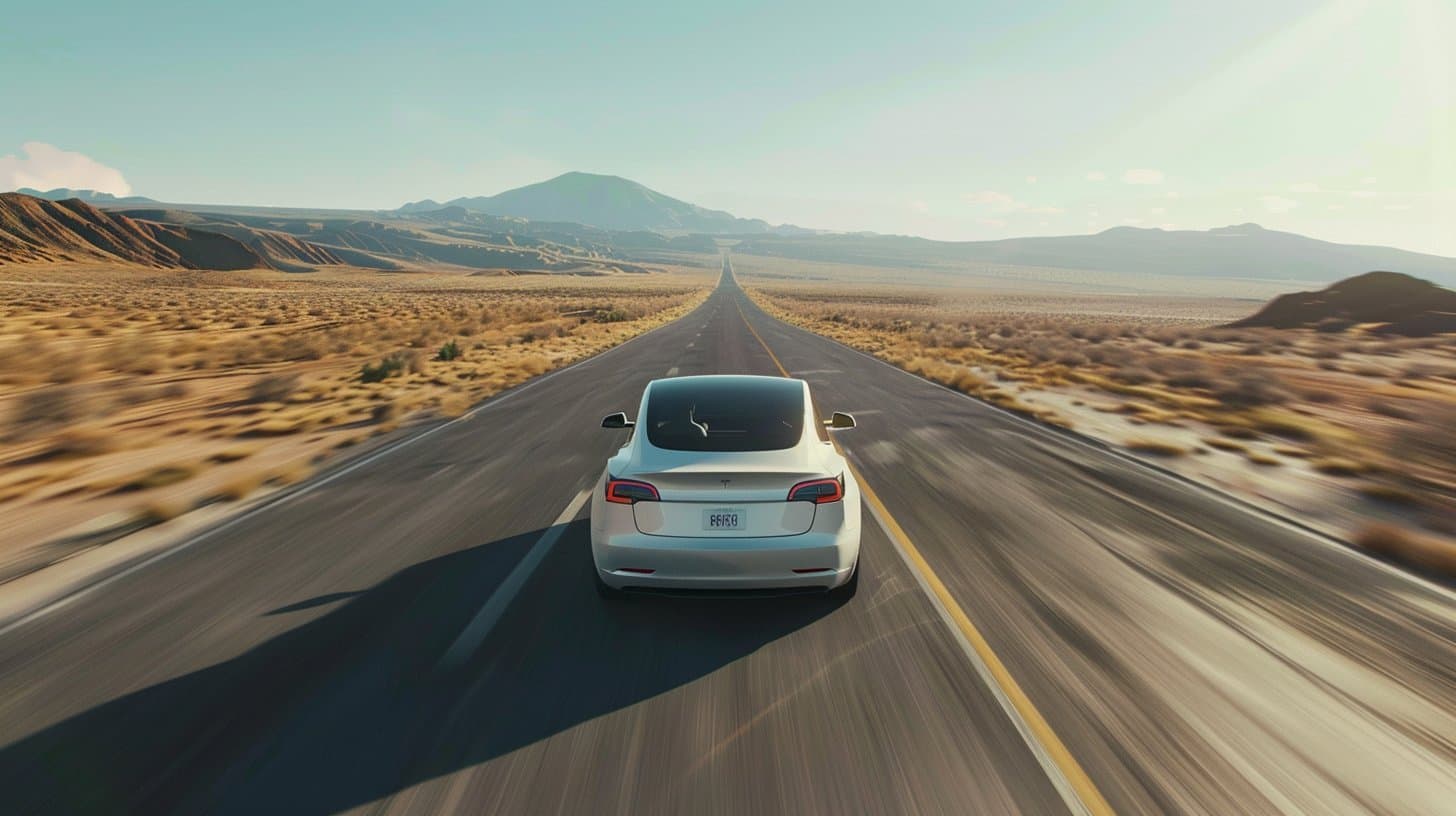
Range anxiety—the fear of running out of battery before reaching your destination or a charging station—is the most commonly cited concern among potential EV buyers. But here's the reality: most range anxiety is based on misconceptions rather than actual driving experiences. This guide separates fact from fiction about EV range concerns and explains what truly matters when it comes to electric vehicle range.
Understanding the Psychology of Range Anxiety
Range anxiety is fundamentally a psychological phenomenon rooted in our gas car habits. We're conditioned to think about refueling as an event—something we do when the tank is nearly empty, taking 5 minutes at any of thousands of gas stations.
EV ownership requires a mental shift: instead of refueling, you're recharging—and instead of a weekly trip to the gas station, you're starting each day with a "full tank." This simple change eliminates range anxiety for most daily driving scenarios.
The Reality Check
- •Average American daily driving: 37 miles
- •Average 2026 EV range: 270+ miles
- •Percentage of trips under 50 miles: 95%
- •Days most people need more than 200 miles: Less than 5 per year
What Actually Affects EV Range
Understanding the factors that impact real-world EV range helps you plan better and worry less. Here's what genuinely matters:
1. Temperature (High Impact)
Cold weather is the biggest range killer. At 20°F (-6°C), you can lose 20-40% of your rated range due to battery chemistry and cabin heating demands. At 100°F (38°C), range drops about 10-15% from air conditioning use.
Temperature Impact on 300-Mile Rated Range
2. Driving Speed (High Impact)
Highway driving at 75+ mph can reduce range by 20-30% compared to the EPA rating, which is based on mixed city/highway driving at moderate speeds. Air resistance increases exponentially with speed, making it the second biggest factor after temperature.
City driving, with its slower speeds and regenerative braking opportunities, often exceeds the EPA range estimate. Many EV owners find they get better range in urban environments.
3. Driving Style (Moderate Impact)
Aggressive acceleration and hard braking reduce efficiency. Smooth, progressive driving can improve range by 10-15%. Using regenerative braking effectively—one-pedal driving—recaptures energy that would otherwise be lost.
4. Terrain (Moderate Impact)
Climbing hills consumes more energy, but descending hills recovers much of it through regenerative braking. Unless you're doing one-way mountain driving, terrain impact often balances out over a round trip.
5. Cargo and Passengers (Low Impact)
Extra weight does reduce efficiency, but less than you might think. Adding 500 pounds typically reduces range by only 5-10%. Roof racks and cargo boxes create more significant impact due to increased air resistance.
What Doesn't Matter (As Much as You Think)
EPA Range Numbers
While EPA ratings provide useful comparisons between vehicles, they don't predict your real-world experience. Your actual range depends on your driving conditions, which vary dramatically from the EPA test cycle. Some drivers consistently beat EPA estimates; others fall short.
Maximum Range
Obsessing over maximum range is like choosing a gas car based on its maximum tank range. A 250-mile EV handles 99% of daily driving needs as well as a 400-mile EV. The extra range mostly provides psychological comfort, not practical benefit for typical use.
Charging to 100%
Most EV manufacturers recommend charging to 80% for daily use to preserve battery health. This isn't a limitation—it's like how you probably don't fill your gas tank to the absolute brim. The 80% charge provides more than enough range for typical daily driving.
The Charging Infrastructure Reality
The charging network has expanded dramatically. As of 2026, there are over 70,000 public charging stations in the US with more than 180,000 charging ports. Tesla's Supercharger network alone has over 20,000 stations, and they're now open to other EV brands.
Charging Network Growth
- ⚡Tesla Superchargers: 20,000+ stations, now open to all EVs
- ⚡Electrify America: 900+ stations with ultra-fast 350kW charging
- ⚡ChargePoint: 30,000+ locations across North America
- ⚡EVgo: 1,000+ fast charging stations in metro areas
Practical Strategies to Eliminate Range Anxiety
1. Embrace the "Always Charged" Mindset
Plug in at home every night, just like you charge your phone. You'll wake up to a full "tank" every morning. This single habit eliminates range concerns for 95% of your driving.
2. Know Your Actual Driving Needs
Track your driving for a month before buying. Most people are surprised to find their longest regular trip is well within even modest EV ranges. Those few times a year you drive farther? That's what fast charging is for.
3. Use Apps and Navigation
Modern EV navigation systems factor in elevation, weather, and driving style to provide accurate range predictions. Apps like PlugShare, ABRP (A Better Route Planner), and manufacturer apps show charging stations along your route and estimate arrival battery levels.
4. Plan Long Trips (It's Easier Than You Think)
For road trips, charging stops align naturally with meal and rest breaks. A 20-30 minute fast charge while grabbing coffee or lunch adds 150-200 miles of range. Many EV owners find road trips more enjoyable with built-in breaks.
Sample 500-Mile Road Trip Plan
Total charging time: 45 minutes (aligned with meal stops you'd take anyway)
How Much Range Do You Actually Need?
Here's a practical guide based on driving patterns:
Urban Commuter (under 50 miles/day)
Any EV works. Even budget EVs with 150-200 mile range are perfect.
Suburban Driver (50-100 miles/day)
Look for 250+ mile range for comfortable daily use without range stress.
Frequent Road Tripper
300+ mile range and access to fast charging networks (Tesla or CCS).
Rural Driver / No Home Charging
350+ mile range recommended. Consider workplace charging options.
The Range Anxiety Cure: Experience
Studies consistently show that range anxiety decreases dramatically after the first few months of EV ownership. Once drivers experience the reality of starting each day with a full charge and see how rarely they actually approach their range limit, the anxiety fades.
A survey of EV owners found that 92% reported their range anxiety was either "completely gone" or "significantly reduced" after six months of ownership. Many former skeptics become EV advocates once they experience the convenience firsthand.
Final Thoughts
Range anxiety is real, but it's largely based on misconceptions rather than actual limitations. The average EV easily handles the average driver's needs, and the charging infrastructure continues to expand rapidly.
Focus on your actual driving patterns, not hypothetical worst-case scenarios. An EV with 250 miles of range handles 99% of driving situations. For that remaining 1%, the growing fast-charging network has you covered. The future of driving is electric, and range anxiety is quickly becoming a thing of the past.