EV Road Trip Planning: Your Complete 2026 Guide
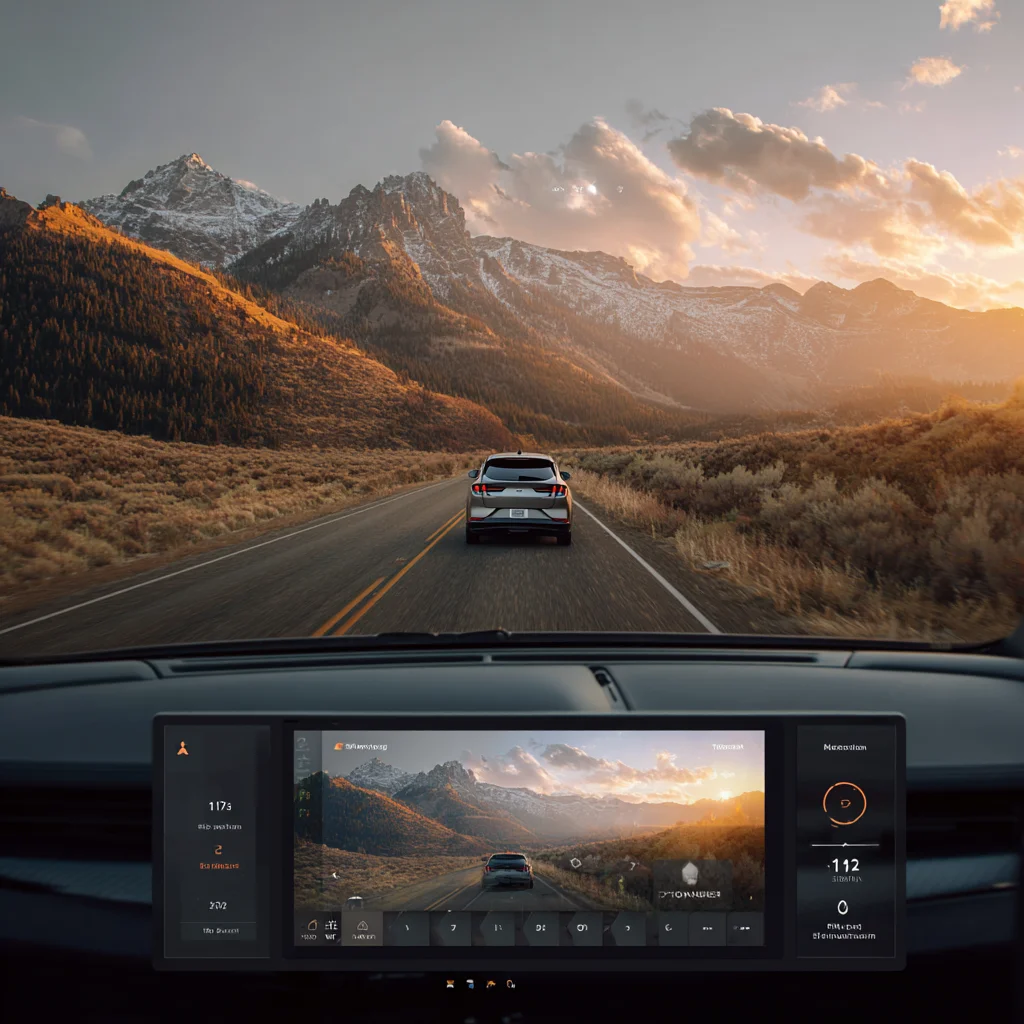
Road trips in an electric vehicle have evolved from anxiety-inducing adventures to seamless journeys thanks to the rapidly expanding charging infrastructure. With over 60,000 public charging stations across the United States and growing, taking your EV on a cross-country adventure is not only possible but increasingly enjoyable. This comprehensive guide covers everything you need to know about planning an EV road trip in 2026, from route planning and charging strategies to packing essentials and real-world tips from experienced EV travelers.
Understanding Your EV's Road Trip Capabilities
Before hitting the road, it's crucial to understand your specific vehicle's capabilities and limitations. This knowledge forms the foundation of successful EV road trip planning.
Real-World Range vs. EPA Range
Your EV's EPA-rated range is a useful baseline, but real-world range varies significantly based on driving conditions. Highway driving at 70+ mph consumes more energy than city driving, potentially reducing range by 15-25%. Cold weather can decrease range by 20-40% due to battery chemistry and cabin heating demands. Hot weather with air conditioning running reduces range by 10-20%. Elevation changes, headwinds, and cargo weight also affect efficiency. As a rule of thumb, plan for 70-80% of your EPA-rated range for highway driving in moderate weather.
Charging Speed Matters
Not all EVs charge at the same speed, and this significantly impacts road trip experience. A Tesla Model 3 Long Range can add 175 miles in 15 minutes at a V3 Supercharger. A Hyundai Ioniq 6 with its 800V architecture can add 180 miles in 18 minutes. However, some EVs with slower charging (like the Chevy Bolt's 55 kW maximum) require longer stops. Know your vehicle's maximum DC fast charging rate and typical charging curve—most EVs charge fastest from 10-50% and slow considerably above 80%.
Battery Preconditioning
Many modern EVs offer battery preconditioning, which warms or cools the battery to optimal temperature before arriving at a fast charger. This feature can dramatically improve charging speeds, especially in cold weather. Tesla vehicles precondition automatically when you navigate to a Supercharger. Other vehicles may require manual activation or occur automatically when approaching a planned charging stop in the navigation system.
Essential Route Planning Tools
The right planning tools transform EV road trips from stressful to enjoyable. Here are the essential apps and resources every EV road tripper needs.
A Better Route Planner (ABRP)
ABRP is the gold standard for EV route planning. This free app (with premium features available) calculates optimal routes considering your specific vehicle, weather conditions, elevation changes, and real-time charging station availability. Input your vehicle model, starting charge level, and destination, and ABRP generates a detailed plan including where to charge, how long to charge at each stop, and expected arrival charge levels. The premium version connects to your car for live data and even more accurate predictions.
PlugShare
PlugShare is the most comprehensive database of EV charging stations, featuring user reviews, real-time status updates, and photos. Before a trip, use PlugShare to research charging stations along your route. Check recent reviews for information about charger reliability, nearby amenities, and any issues. The app shows all charging networks and allows filtering by connector type, charging speed, and amenities.
Network-Specific Apps
Download apps for the charging networks you'll use. Electrify America, EVgo, ChargePoint, and others each have their own apps for locating stations, checking availability, initiating sessions, and payment. Tesla owners should ensure their app is current for Supercharger access. Having these apps installed and accounts set up before your trip prevents delays. Many networks now offer plug-and-charge capability where your vehicle is automatically recognized, but having the app as backup is wise.
Your Vehicle's Built-In Navigation
Most modern EVs have built-in route planning with charging stop integration. Tesla's navigation automatically routes through Superchargers. Ford's FordPass integrates with the BlueOval Charge Network. Rivian, BMW, Mercedes, and others offer similar features. While third-party apps like ABRP often provide more detailed planning, your vehicle's native system typically offers the smoothest experience for activating battery preconditioning and providing accurate arrival estimates.
Charging Strategy for Long Trips
Developing an efficient charging strategy minimizes time spent at charging stations while ensuring you never run low on battery.
The 10-80% Rule
For fastest overall travel times, charge from approximately 10-20% to 60-80% at each stop rather than charging to 100%. EV charging follows a curve—speed is fastest at lower charge levels and slows significantly above 80%. Charging from 10% to 80% might take 25 minutes, but 80% to 100% could take another 30-40 minutes. Multiple shorter charging stops are often faster than fewer longer stops. The exception is your final charge of the day—charging to higher levels overnight at your destination makes sense.
Align Charging with Meals and Breaks
The best road trip charging stops don't feel like stops at all. Plan to charge during meal breaks, restroom stops, and scenic detours. Many fast charging stations are located near restaurants, shopping centers, and attractions. A 30-minute lunch stop while your car charges means virtually no additional time added to your trip. Use PlugShare to find stations with good nearby amenities.
Build in Buffer
Always plan to arrive at charging stops with at least 10-15% battery remaining. This buffer accounts for unexpected detours, construction delays, headwinds, or if a charger is occupied or malfunctioning. Running low on charge creates stress and limits your options. Experienced EV travelers often plan for worst-case scenarios and enjoy when reality is better.
Have Backup Options
Know where alternate charging stations are located along your route. While charging infrastructure has become very reliable, equipment failures or unexpectedly busy stations occasionally occur. Having a Plan B and Plan C prevents minor hiccups from becoming major problems. ABRP shows alternate stations, and PlugShare's real-time status helps you make informed decisions en route.
Charging Network Overview
Understanding the major charging networks helps you plan routes and manage costs effectively.
Tesla Supercharger Network
With over 25,000 Superchargers globally and growing, Tesla's network is the largest and most reliable. Following Tesla's NACS connector becoming the North American standard, most non-Tesla EVs can now access Superchargers using adapters or, for newer models, natively. Pricing varies by location but typically runs $0.25-$0.40 per kWh. The network's reliability, speed, and placement along major travel corridors make it the preferred choice for many road trippers.
Electrify America
Electrify America operates over 3,500 fast chargers with speeds up to 350 kW. Located primarily at Walmart, Target, and travel plazas, stations are well-placed for road trips. Pricing runs approximately $0.43-$0.48 per kWh, with membership plans offering discounts. The Pass+ membership ($4/month) reduces per-kWh costs significantly for frequent users.
EVgo
EVgo operates over 2,000 fast charging stations, often located in urban areas and at grocery stores. While the network is more metro-focused, strategic locations serve certain travel corridors well. Pricing varies by region, and various membership options can reduce costs.
ChargePoint
ChargePoint operates the largest network of independently owned charging stations. While most are Level 2, they have an expanding DC fast charging network. Pricing varies by station owner, so costs can be unpredictable. The extensive Level 2 network is valuable for destination charging at hotels and attractions.
Packing Essentials for EV Road Trips
Being properly prepared ensures you're ready for any situation on your EV road trip.
Charging Adapters
Carry the appropriate adapters for your vehicle. If you have a Tesla with NACS port, bring a CCS adapter for accessing non-Tesla DC fast chargers. If you have a CCS vehicle, consider a NACS adapter for Supercharger access. Also pack your J1772 adapter (if needed) for Level 2 destination charging. A NEMA 14-50 or 14-30 adapter for your mobile connector provides emergency charging options at RV parks or dryer outlets.
Mobile Charging Cable
Your vehicle's included mobile charging cable is essential for destination charging at hotels without dedicated EV chargers and emergency situations. Many hotels now have 240V outlets (or can provide access to one) even without dedicated EVSE. Your mobile charger can be a lifesaver in remote areas.
Extension Cord (Heavy Duty)
A heavy-duty 10-gauge or thicker extension cord (no longer than 25 feet) can help reach outlets that are awkwardly positioned. Only use this for Level 1 charging—never use extension cords with 240V charging equipment.
Charging Network Apps and Accounts
Download and set up accounts for all major charging networks before leaving. Add payment methods and test that apps work properly. Having this sorted before the trip prevents frustrating delays at charging stations.
Emergency Kit
Pack a basic emergency kit including a phone charger (portable battery pack), flashlight, first aid supplies, basic tools, and roadside assistance information. While EVs are generally reliable, being prepared for any situation provides peace of mind.
Accommodation Tips for EV Travelers
Smart accommodation choices can make EV road trips more convenient and economical.
Hotels with EV Charging
Many hotels now offer EV charging—search PlugShare for "lodging" filters or check hotel websites directly. Hilton, Marriott, and other major chains are rapidly expanding charging availability. Charging overnight at your hotel is convenient and often free or low-cost, ensuring you start each day with a full battery. When booking, confirm charger availability, whether reservations are needed, and any associated costs.
Destination Charging Considerations
If your hotel doesn't have charging, consider staying near a fast charging station. You can arrive at your hotel in the evening, then charge in the morning while getting breakfast nearby. Alternatively, look for hotels near Tesla Destination Chargers or ChargePoint Level 2 stations.
Airbnb and Vacation Rentals
Airbnb allows filtering for properties with EV charging. Many hosts have installed chargers to attract EV-driving guests. When booking, message the host to confirm charger specifications and ensure it meets your vehicle's needs.
Weather Considerations
Weather significantly impacts EV road trips and requires special planning considerations.
Cold Weather Strategy
Winter travel requires extra planning. Expect 20-40% range reduction in cold weather. Precondition your car while plugged in before departure to warm the battery and cabin without using battery power. Plan more frequent charging stops with shorter distances between them. Use seat heaters instead of cabin heat when possible—they're more efficient. Keep the battery above 20% when parking overnight in cold weather.
Hot Weather Strategy
Extreme heat also affects range and charging. Park in shade when possible to keep the battery cool. The car may slow charging to protect battery health in very hot conditions. Expect 10-20% range reduction when running air conditioning heavily. Precondition the cabin while plugged in to reduce initial AC demands on the road.
Real-World Tips from Experienced EV Travelers
These practical tips come from thousands of miles of EV road trip experience.
Start Early
Begin driving early in the morning when charging stations are less crowded. You'll have first pick of chargers and avoid waiting for occupied stations. Plus, cooler morning temperatures in summer mean better efficiency.
Embrace the Journey
Rather than viewing charging stops as inconveniences, use them to discover places you'd otherwise pass by. Some of our best road trip memories have come from exploring towns and attractions we found during charging stops. The slightly slower pace of EV travel can actually enhance the journey.
Check Station Status Before Pulling In
When approaching a charging station, check the app for real-time availability. If all chargers are occupied, you can divert to a backup option rather than waiting. This simple habit saves time and frustration.
Leave Reviews
The EV community relies on shared information. Leave PlugShare reviews after charging—noting whether the station worked, the actual charging speed, and nearby amenities helps fellow EV travelers and improves the network for everyone.
Sample Road Trip: Los Angeles to Las Vegas
Here's how an EV road trip might look in practice for this popular 270-mile route. Depart Los Angeles with a full charge. Drive approximately 160 miles to Barstow, arriving with around 40% battery. Charge at the Barstow Supercharger or Electrify America station for 15-20 minutes while grabbing a snack—adding enough charge to comfortably reach Las Vegas. Continue the remaining 110 miles to Las Vegas, arriving with 25-30% battery. Charge at your hotel overnight or at one of many Vegas charging options. Total drive time is approximately 4 hours. Charging added maybe 20-25 minutes total—comparable to a gas car trip with a bathroom and coffee break.
Conclusion: The Open Road Awaits
EV road trips in 2026 are easier and more enjoyable than ever before. With proper planning, the right tools, and a flexible mindset, you can go virtually anywhere in an electric vehicle. The expanding charging infrastructure, improving vehicle ranges, and faster charging speeds have made range anxiety a relic of the past for prepared travelers. Whether you're planning a weekend getaway or an epic cross-country adventure, your EV is ready for the journey. Start planning your first electric road trip today—you might find that the charging stops become some of your favorite memories along the way.