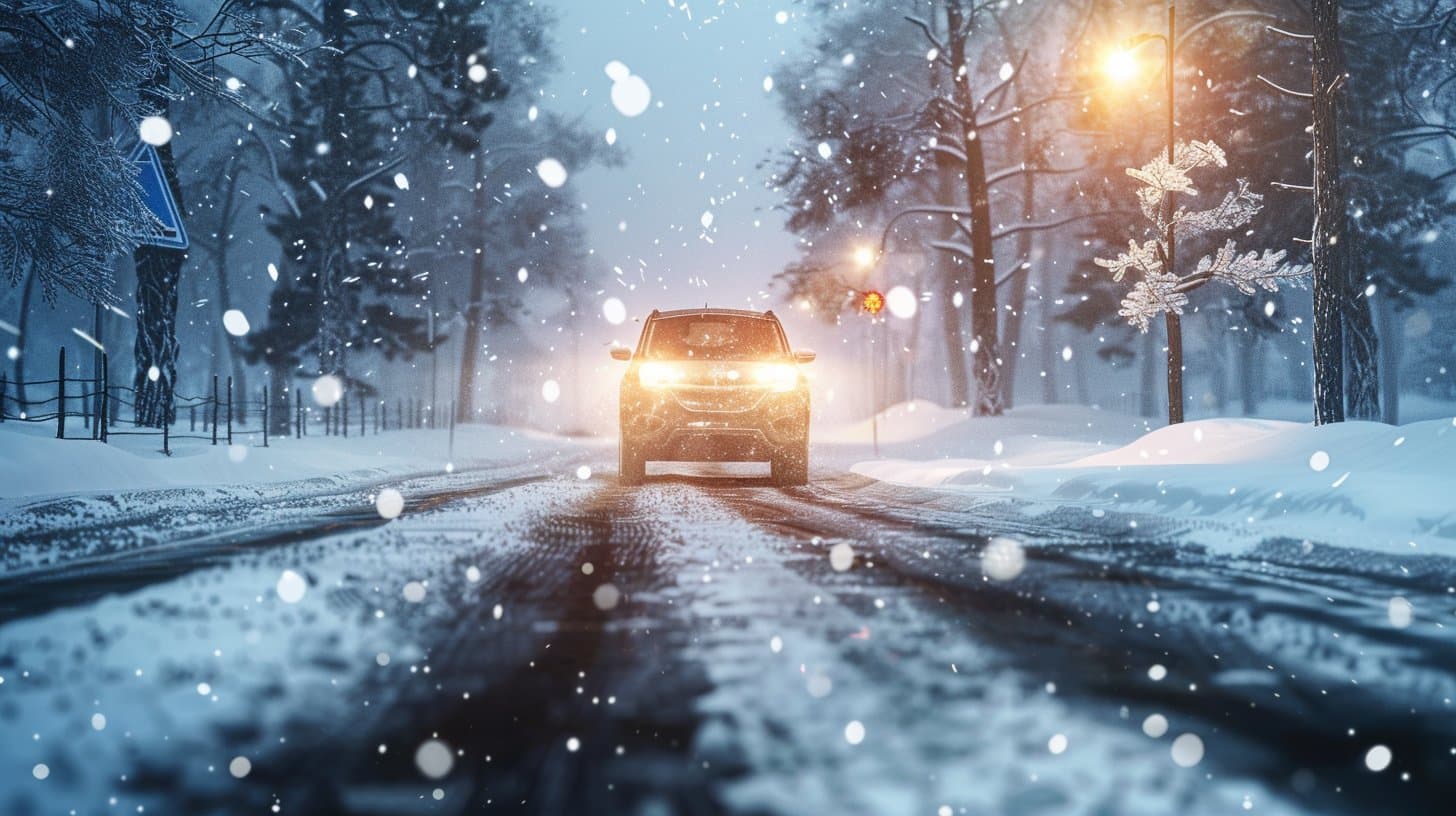
Cold weather is the one scenario where EVs genuinely underperform compared to gas cars. Range drops, charging slows, and batteries become less efficient. But the good news is that 20–40% winter range loss is entirely manageable with the right habits — especially now that most EVs on the market offer 250+ miles of rated range.
Here's everything you need to know about driving your EV in cold weather in 2026 — the science behind the range loss, practical tips to minimize it, and winter charging strategies that keep you moving.
Why Cold Weather Reduces EV Range
The range loss you experience in winter isn't a design flaw — it's chemistry. Lithium-ion batteries rely on chemical reactions that slow down in low temperatures. When the battery pack is cold, the ions move through the electrolyte more sluggishly, reducing the battery's ability to deliver power efficiently. This affects both how much energy you can pull from the pack and how quickly you can charge it.
Battery chemistry: At temperatures below 40°F (4°C), internal resistance in lithium-ion cells increases significantly. The battery management system may also limit power output to protect the cells, which means reduced acceleration and lower regenerative braking recovery.
Cabin heating: This is the biggest energy drain in winter. Gas cars get cabin heat essentially for free — it's waste heat from the engine. EVs have no waste heat, so they must generate it electrically. A resistive cabin heater draws 3–5 kW continuously — equivalent to running several space heaters inside your car. On a 75 kWh battery, that's consuming 4–7% of your total capacity every hour just to keep you warm.
Rolling resistance: Cold tires on cold pavement have higher rolling resistance. Winter tires, while essential for traction, add even more resistance due to their softer rubber compound and deeper tread. Cold air is also denser, increasing aerodynamic drag slightly.
Combined, these factors typically produce 20–40% range loss depending on temperature, driving habits, and whether you're using a heat pump or resistive heater.
Tip 1: Precondition While Plugged In
This is the single most effective winter EV habit. Preconditioning means warming up the cabin and the battery pack before you unplug and drive. When you precondition while connected to your charger, the energy comes from the grid — not your battery. You leave with a warm cabin, a warm battery, and 100% of your charge intact.
Most modern EVs let you schedule preconditioning through their app. Set your departure time and the car will begin warming up 15–30 minutes beforehand. Tesla, Hyundai, Kia, BMW, and most others support scheduled departure or climate preconditioning.
If you can't precondition while plugged in, preconditioning from the battery is still worthwhile — a warm battery operates more efficiently and recovers more energy through regenerative braking, partially offsetting the energy used to warm up.
Tip 2: Use Heated Seats and Steering Wheel Over Cabin Heat
This is simple physics. Heating your body directly is far more efficient than heating the entire volume of air inside the cabin.
Heated seats: 50–75W per seat
Heated steering wheel: 30–50W
Cabin heater (resistive): 3,000–5,000W
That's a 40–60x difference in power consumption. Running heated seats and a heated steering wheel while reducing the cabin temperature setting by 5–10 degrees can save 1–2 kW of continuous draw — translating to meaningful extra miles over a long commute.
You don't have to freeze. Set the cabin heat to 65°F instead of 72°F, turn on seat and wheel heaters, and you'll likely feel warmer than blasting cabin heat alone while using a fraction of the energy.
Tip 3: Take Advantage of Your Heat Pump
If your EV has a heat pump (most 2024+ models do), it's already working to reduce winter energy consumption. A heat pump moves heat from outside air into the cabin rather than generating it from scratch. Even in cold weather, heat pumps are 2–3x more efficient than resistive heaters down to about 15–20°F.
Below that temperature, most systems switch to resistive heating as a backup. But for the majority of winter driving conditions in the U.S. — 20–40°F range — the heat pump is doing significant work to preserve your range.
EVs with heat pumps as standard in 2026 include: Tesla Model 3 and Y, Hyundai Ioniq 5 and 6, Kia EV6 and EV9, BMW iX and i4, Volkswagen ID.4, Chevrolet Equinox EV, and Ford Mustang Mach-E.
Tip 4: Keep Your Battery Above 20%
In warm weather, driving down to 10% before charging is fine. In cold weather, it's risky. Cold batteries have reduced effective capacity, so the range estimate your car displays may be optimistic. A battery showing 15% in freezing conditions may have less usable energy than you expect.
Keep your state of charge above 20% in winter as a safety buffer. Plan charging stops earlier than you would in summer, and don't rely on reaching a charger with single-digit percentages remaining.
This also helps with charging speed. A cold battery at low state of charge charges much more slowly than a warm battery at the same percentage. Arriving at a charger with some buffer means less time waiting for the battery to warm before it accepts full charging power.
Tip 5: Park in a Garage When Possible
An unheated garage is typically 10–20°F warmer than outside air. That difference matters. A battery that spends the night at 35°F instead of 15°F will have noticeably better range the next morning and will precondition faster.
If you have a heated garage, even better — but even a basic enclosed space reduces thermal stress on the battery and saves preconditioning energy.
If you must park outside, try to park in a spot that gets morning sun. A few degrees of solar warming before you leave can make a difference.
Winter Charging Tips
DC fast charging is slower in cold weather. If you arrive at a fast charger with a cold battery, you may see charging speeds well below the rated maximum. Many EVs now precondition the battery automatically when you navigate to a DC fast charger — Tesla, Hyundai, Kia, BMW, and others do this. Always use your car's navigation to route to chargers so the battery can warm up en route.
Level 2 home charging is largely unaffected. Since Level 2 charging is slower by nature, the battery has time to warm up gradually during the charging session. You may notice slightly longer charge times overnight, but the difference is usually minimal.
Charge immediately after driving when possible. Your battery is warmest right after a drive. Plugging in immediately takes advantage of that warmth for more efficient charging.
Winter Tires and EVs
Winter tires are just as important on EVs as on gas cars — arguably more so. EVs are heavier due to their battery packs, which means more momentum in slippery conditions. The instant torque of an electric motor can also break traction more easily on ice or packed snow if you're aggressive with the accelerator.
Look for winter tires specifically rated for EV weight. Brands like Michelin (X-Ice Snow), Bridgestone (Blizzak), and Nokian (Hakkapeliitta) all offer EV-optimized options. Expect a 3–5% range reduction from winter tires compared to all-seasons, but the traction and safety improvement is worth it.
The Bottom Line
Yes, cold weather reduces EV range by 20–40%. But with today's EVs offering 250–350+ miles of rated range, that still leaves you with 150–280 miles of real-world winter driving — more than enough for daily use.
The key habits are simple: precondition while plugged in, favor heated seats over cabin heat, keep your charge above 20%, park indoors when you can, and use your car's navigation to precondition the battery before fast charging stops.
Millions of EV owners in Norway, Canada, and the northern U.S. drive through harsh winters every year without issue. The range loss is real but manageable — and the savings on fuel, maintenance, and emissions are year-round.
Planning a winter road trip? Check out our Best EVs for Road Trips 2026 guide and our EV Road Trip Planning Guide. Browse all available EVs and current pricing on our EV Deals page, or find your nearest charging stations on our Charge page.