The Future of Autonomous EVs
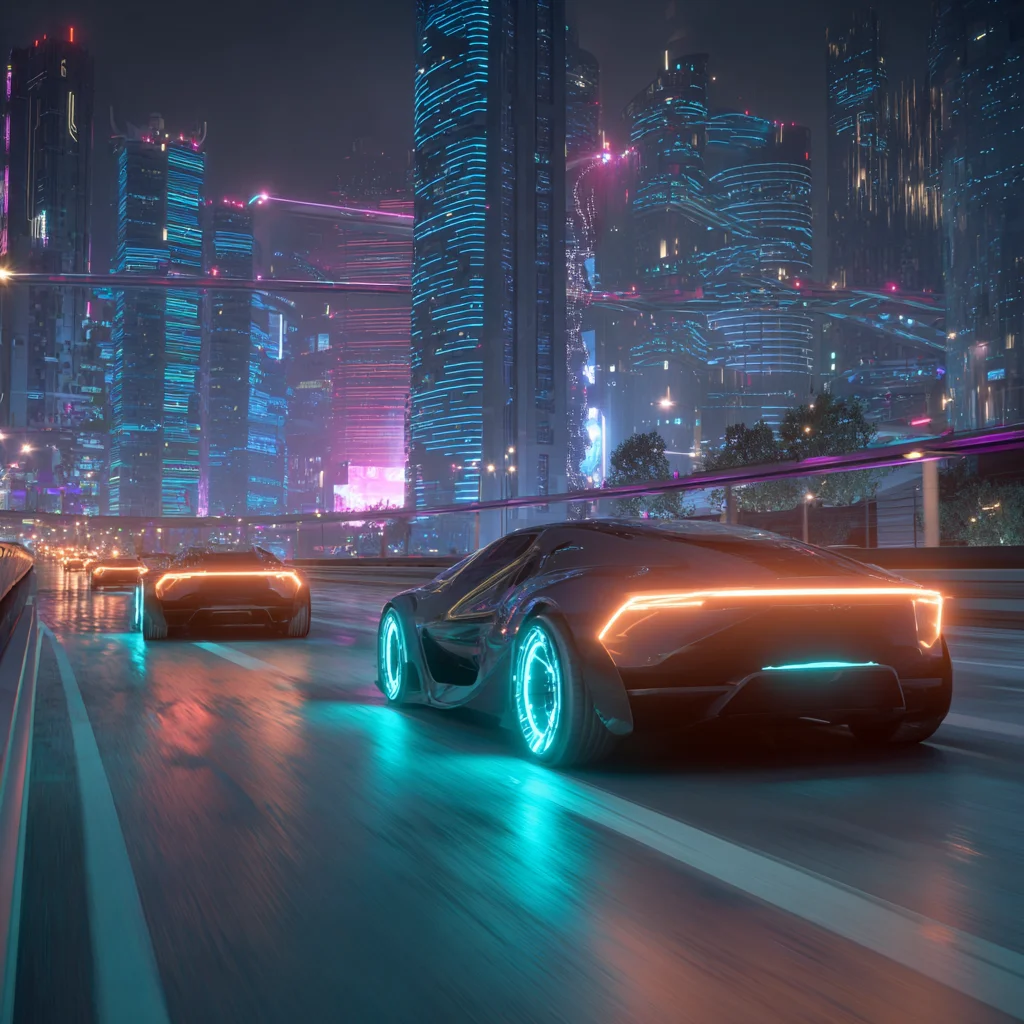
Electric vehicles and autonomous driving technology are converging to reshape transportation fundamentally. EVs provide the ideal platform for self-driving systems—their drive-by-wire architecture, computational power, and over-the-air update capabilities make them natural hosts for autonomy. This article explores where autonomous EV technology stands today, what is coming in the near future, and how self-driving electric vehicles will transform how we move.
Why EVs and Autonomy Go Together
Drive-by-Wire Architecture
EVs control acceleration, braking, and steering electronically rather than through mechanical linkages. This makes them inherently easier to automate—the computer can directly control vehicle functions without additional hardware. Gas cars require more complex integration.
Computational Power
Modern EVs already contain powerful computers for battery management, motor control, and infotainment. Adding autonomous driving capability builds on existing infrastructure. The large battery provides ample power for energy-hungry sensors and processors.
Over-the-Air Updates
EVs pioneered software updates that improve vehicles after purchase. Autonomous systems require continuous improvement as algorithms learn and regulations evolve. The OTA update model is essential for deploying and refining self-driving capabilities.
Current State of Autonomous EVs
Tesla Autopilot and FSD
Tesla leads in deployed driver assistance with Autopilot standard on all vehicles and Full Self-Driving (FSD) available as an upgrade. Current FSD handles highway driving, city streets, traffic lights, and parking with supervision. The system improves continuously through fleet learning from millions of miles driven daily.
GM Super Cruise and Ultra Cruise
General Motors offers Super Cruise hands-free highway driving on mapped roads across its EV lineup including Cadillac Lyriq and Chevrolet Equinox EV. Ultra Cruise expands to 95% of driving scenarios including city streets. GM uses a combination of cameras, radar, lidar, and high-definition maps.
Ford BlueCruise
Ford's hands-free highway system is available on F-150 Lightning and Mustang Mach-E. It handles highway driving on mapped roads with attention monitoring. Ford continues expanding covered roads and adding features through updates.
Mercedes Drive Pilot
Mercedes achieved a significant milestone with Level 3 certification in certain markets. Drive Pilot allows truly hands-off, eyes-off driving in specific conditions—the car accepts legal responsibility. This represents a fundamental shift from driver assistance to conditional automation.
Levels of Autonomy Explained
Level 2: Partial Automation
Most current systems operate at Level 2. The car handles steering, acceleration, and braking but requires constant driver supervision. Hands may be off the wheel briefly, but eyes must stay on the road. Tesla Autopilot, GM Super Cruise, and Ford BlueCruise are Level 2 systems.
Level 3: Conditional Automation
At Level 3, the car drives itself in certain conditions without requiring attention, but must be able to return control to the driver. Mercedes Drive Pilot operates at Level 3 in specific scenarios. The legal and liability implications are significant—the manufacturer accepts responsibility during automated operation.
Level 4: High Automation
Level 4 vehicles drive themselves without human intervention in defined conditions. Waymo and Cruise robotaxis operate at Level 4 within geofenced areas. Occupants are passengers, not drivers. Expanding the operational domain is the current challenge.
Level 5: Full Automation
Level 5 represents complete automation anywhere a human could drive—no steering wheel or pedals required. No production vehicle achieves Level 5 today, and timelines for achieving it remain uncertain.
What Is Coming Next
Expanded Level 3 Deployment
More manufacturers are pursuing Level 3 certification. BMW, Volvo, and others have announced Level 3 capable systems. As regulations clarify and technology matures, expect Level 3 features to become more widely available over the next 2-3 years.
Robotaxi Expansion
Waymo, Cruise, and others continue expanding autonomous ride-hailing services. These services will reach more cities and operate in more conditions. For urban dwellers, robotaxis may reduce the need for personal vehicle ownership.
Autonomous Trucking
Long-haul trucking on highways is well-suited for early autonomy—predictable routes, limited scenarios, high economic value. Companies like Aurora, TuSimple, and Waymo Via are deploying autonomous trucks on specific corridors. Electric autonomous trucks combine efficiency gains with labor cost reduction.
Challenges and Obstacles
Edge Cases
Autonomous systems struggle with unusual situations—construction zones, emergency vehicles, unusual weather, aggressive drivers, and countless other scenarios humans handle intuitively. Solving these edge cases is the primary technical challenge.
Regulatory Framework
Laws and regulations lag behind technology. Questions about liability, insurance, licensing, and safety standards remain partially unresolved. Different jurisdictions have different rules, complicating deployment. Regulatory clarity is essential for widespread adoption.
Public Trust
High-profile accidents involving autonomous vehicles damage public confidence. Building trust requires transparent safety data, gradual capability expansion, and clear communication about system limitations. The industry must earn trust through demonstrated safety improvements.
How Autonomy Will Change EV Ownership
Reclaimed Time
Americans spend an average of 50 minutes daily commuting. Autonomous EVs transform this time—work, rest, entertainment, or socializing becomes possible. Vehicle interiors will evolve from driver-focused cockpits to mobile living spaces.
Autonomous Charging
Self-driving EVs can charge themselves. Your car drops you at work and drives to charge, returning when needed. Wireless charging pads in parking lots eliminate plug-in requirements. Charging becomes invisible to owners.
Fleet Utilization
Personal vehicles sit parked 95% of the time. Autonomous EVs could serve multiple users or earn money as robotaxis when you do not need them. Vehicle ownership economics fundamentally change when cars can generate income.
Conclusion: A Gradual Revolution
Fully autonomous EVs will not arrive overnight, but they are coming steadily. Each generation of driver assistance grows more capable. Each year, more miles are driven autonomously. The convergence of electric propulsion and autonomous technology will ultimately deliver transportation that is safer, cheaper, more efficient, and more accessible than anything before. The cars of tomorrow will not just be electric—they will drive themselves.