
The Southeast is quickly becoming the epicenter of America's electric vehicle future, and there's no better proof than the GNEM Electric Mobility Summit landing at the University of Georgia in Athens on April 14–15, 2026.
This isn't your typical auto show where you wander past shiny cars and collect brochures. The GNEM Summit is an industry-focused event tackling the real challenges and opportunities driving the EV transition — from battery supply chains to workforce development to the safety challenges that come with putting millions of high-voltage vehicles on the road.
If you're in the EV industry, adjacent to it, or simply serious about understanding where electric mobility is heading, this is one of the most relevant events happening in the Southeast this spring.
Why Athens, Georgia?
It might seem surprising to host an electric mobility summit at a college town known more for bulldogs and indie rock than battery technology. But Athens sits at the heart of what industry insiders have started calling the Southeast Battery Belt.
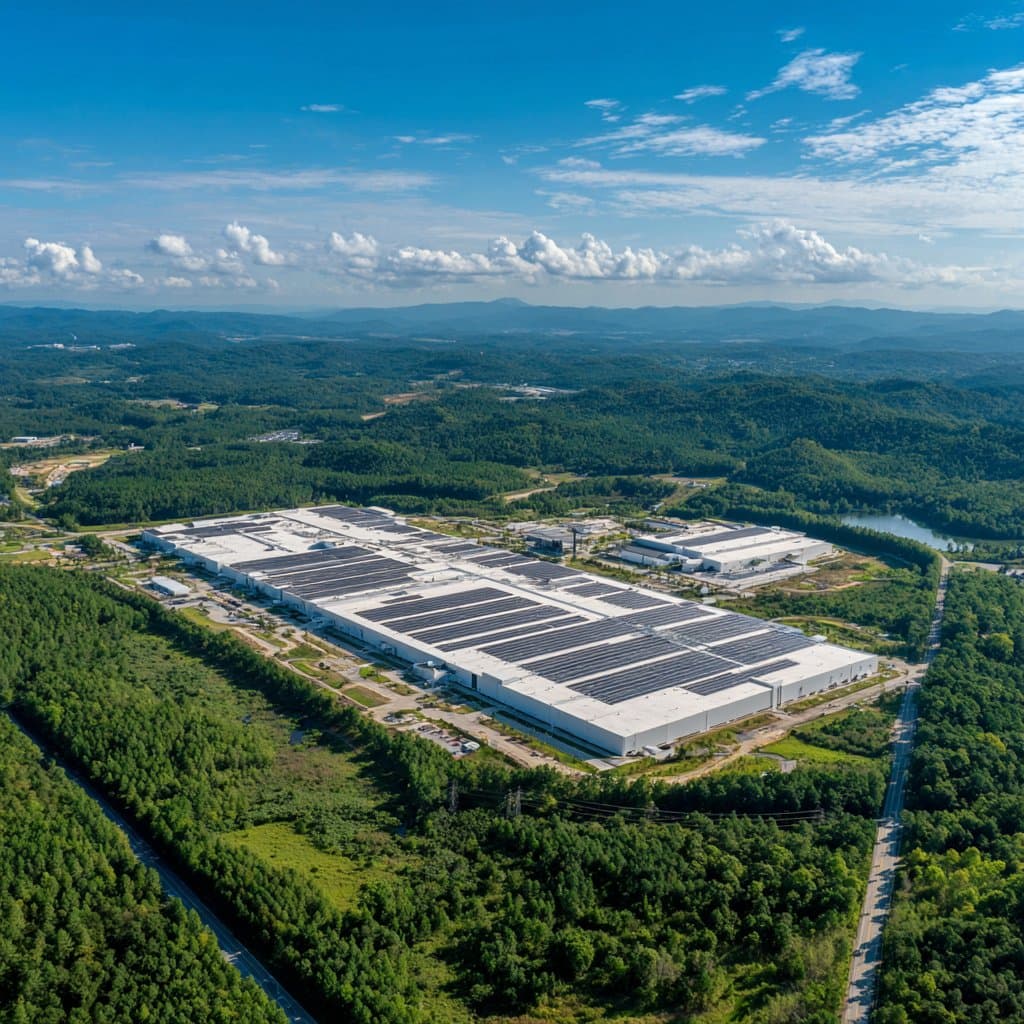
Georgia has attracted massive investments in EV and battery manufacturing over the past few years. SK Innovation built a multi-billion-dollar battery plant in Commerce, Georgia — just 30 miles from Athens. Hyundai is constructing a dedicated EV manufacturing facility in Bryan County. Rivian chose Georgia for its second manufacturing plant. The state has positioned itself as a critical node in America's EV supply chain.
The University of Georgia brings academic research muscle to the conversation. Their engineering and sustainability programs are actively developing the workforce that these new factories need. Hosting the summit on campus connects industry leaders directly with the researchers and future employees who will power the next phase of electrification.
What's on the agenda
The GNEM Summit is built around four major pillars that reflect where the EV industry's real work is happening right now.
Battery supply chains
This is arguably the most critical topic in the EV industry today. The global battery supply chain — from lithium mining in Australia and Chile to cell manufacturing in China, Korea, and now the American Southeast — is being reshaped by tariffs, trade policy, and a race for domestic production capacity.
Sessions will cover where raw materials are coming from, how the Inflation Reduction Act's domestic content requirements are reshaping sourcing decisions, and what the realistic timeline looks like for building a truly American battery supply chain.
Fleet electrification
While consumer EVs get most of the headlines, fleet electrification represents one of the largest potential shifts in transportation economics. Companies operating delivery vans, service vehicles, buses, and trucks are evaluating whether the total cost of ownership math works for going electric.
The summit will address the practical challenges fleet operators face: charging infrastructure at depots, vehicle uptime requirements, maintenance training, and the financial modeling that determines whether an electric fleet saves money or costs money.
EV safety
As millions of EVs enter the American vehicle fleet, safety considerations are evolving. High-voltage battery systems present different risks than traditional vehicles — from thermal runaway events to the challenges first responders face when dealing with EV accidents. Sessions will cover battery safety standards, crash testing protocols specific to EVs, fire department training requirements, and the evolving regulatory landscape.
Workforce development
Every new battery factory and EV assembly plant needs trained workers — and the Southeast is facing a skills gap. The traditional automotive workforce knows internal combustion engines. The new workforce needs to understand high-voltage electrical systems, battery chemistry, advanced manufacturing processes, and software diagnostics.
Practical details
When: April 14–15, 2026
Where: University of Georgia, Athens, GA
Getting there: Athens is about 70 miles east of Atlanta, roughly a 90-minute drive. Hartsfield-Jackson Atlanta International Airport is the nearest major airport.
EV charging: Athens has a growing network of public chargers, including Level 2 stations on the UGA campus and DC fast chargers along the US-78 corridor from Atlanta.
Why this event matters for the Southeast
The GNEM Summit is more than a conference — it's a statement about where America's EV future is being built. While Silicon Valley and Detroit get the attention, the Southeast is quietly assembling the manufacturing backbone of the electric vehicle industry.
Georgia alone has attracted over $20 billion in EV and battery manufacturing investments. The Battery Belt stretching from Georgia through the Carolinas is becoming to EVs what Detroit was to gas cars a century ago. For anyone working in or around this industry in the Southeast, the GNEM Summit is a chance to connect with the people building that future.