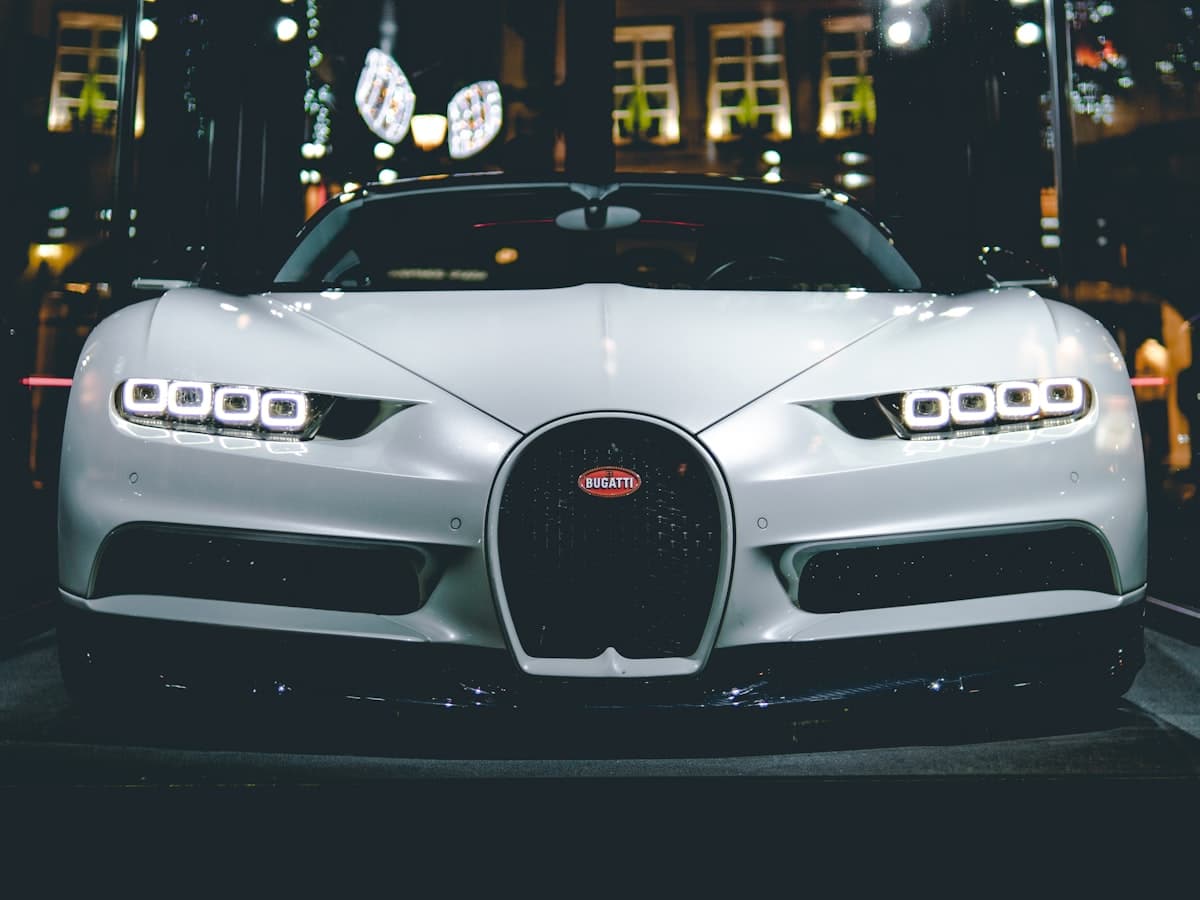
If your headlights look cloudy, yellowed, or hazy, you are not just dealing with an aesthetic problem — you are driving with a serious safety hazard. Foggy headlights can reduce your headlight output by 50% or more, dramatically decreasing your visibility at night and in poor weather conditions. The good news is that headlight restoration is one of the most cost-effective vehicle improvements you can make, often costing less than $30 for a DIY approach or $75-$150 for professional service. This complete guide covers why headlights degrade, how to restore them, and how to keep them clear for years.
Why Do Headlights Turn Yellow and Foggy?
Understanding why your headlights turn cloudy helps you appreciate why restoration works and how to prevent it from happening again. Modern headlight lenses are made from polycarbonate plastic — a material that is lightweight, impact-resistant, and inexpensive to manufacture. However, polycarbonate is vulnerable to degradation from several environmental factors:
- •UV oxidation — This is the primary cause of headlight clouding. Ultraviolet radiation from the sun breaks down the protective clear coat that manufacturers apply over the polycarbonate lens. Once this clear coat degrades, the UV rays attack the plastic directly, causing it to oxidize and develop a yellow, hazy, or chalky appearance. This process happens gradually over 3-5 years, accelerating in hot, sunny climates.
- •Road debris and micro-scratching — Gravel, sand, dirt, and other road debris constantly bombard your headlights at speed. Over thousands of miles, these tiny impacts create micro-scratches and pitting on the lens surface. Each scratch diffuses light that should be focused forward, contributing to the hazy, dull appearance and reduced light output.
- •Chemical exposure — Road salt, car wash chemicals, harsh cleaners, and environmental pollutants can accelerate the breakdown of the lens surface. Acid rain is particularly damaging, leaving etching marks on unprotected polycarbonate that further scatter light.
- •Heat from the bulbs — The heat generated by halogen bulbs (and to a lesser extent, HID and LED bulbs) can cause the inside of the lens to develop a hazy film over time. This internal hazing is different from exterior oxidation and can sometimes be addressed by resealing and cleaning the interior of the housing.
- •Moisture intrusion — If the headlight housing seal fails, moisture can enter and condense on the interior of the lens. This creates a foggy appearance from the inside that no amount of exterior polishing will fix. Internal moisture requires resealing or replacing the headlight assembly.
The Safety Impact of Foggy Headlights
Cloudy headlights are far more dangerous than most drivers realize. Studies have shown that severely oxidized headlights can lose 50-80% of their original light output. This means your headlights may only be illuminating half the distance they were designed for, dramatically reducing your reaction time to hazards, pedestrians, animals, and road obstacles at night.
Beyond reduced brightness, foggy headlights also scatter light in unintended directions. Instead of a focused, controlled beam pattern, the light diffuses and creates glare — both for you and for oncoming drivers. This glare reduces contrast, making it harder to see road markings, signs, and objects in your path. In foggy, rainy, or snowy conditions, scattered light from degraded headlights reflects back at you even more severely, further compromising visibility.
In many states, severely hazy or yellowed headlights can also cause your vehicle to fail safety inspection. And if you are involved in a nighttime accident with headlights that are clearly degraded, it could potentially affect insurance claims and liability determinations. Restoring your headlights is not just about looks — it is a genuine safety upgrade that costs very little compared to the risk.
DIY Headlight Restoration Methods
There are several approaches to restoring foggy headlights yourself, ranging from basic household items to dedicated restoration kits. Here is what works, what does not, and what to expect from each method:
Method 1: Wet Sanding and Polishing (Best DIY Results)
The wet sanding and polishing method is the most effective DIY approach for headlight restoration. It physically removes the damaged, oxidized layer of plastic to reveal fresh, clear material underneath. This is the same fundamental process that professional detailers use, and when done correctly, it produces results that rival professional work.
Wet Sanding Step-by-Step Process
- 1.Tape off surrounding paint — Use automotive masking tape to protect the paint, bumper, and fender around each headlight. Sandpaper will damage paint instantly if you slip.
- 2.Clean the headlights — Wash the lenses thoroughly with soap and water to remove dirt and grime. Dry completely before assessing the level of damage.
- 3.Start with 800-grit sandpaper — Soak the sandpaper in water for 10 minutes. Wet-sand the headlight in horizontal strokes, keeping the surface wet at all times. Sand until the entire surface has a uniform, frosted appearance. This removes the damaged clear coat and oxidized layer.
- 4.Progress to 1500-grit — Switch to 1500-grit sandpaper, again keeping it wet. Sand in vertical strokes (perpendicular to the previous grit) until the 800-grit scratches are replaced with finer ones.
- 5.Finish with 2000-3000 grit — The final sanding step with ultra-fine sandpaper removes the 1500-grit scratches, leaving a semi-clear, very smooth surface.
- 6.Polish the lens — Apply a plastic or headlight polishing compound with a microfiber cloth or a polishing pad on a drill. Work the compound in circular motions until the lens becomes clear. Multiple passes may be needed for severely oxidized lenses.
- 7.Apply UV sealant — This is the most critical and most commonly skipped step. Apply a UV-protective clear coat or sealant to replace the factory coating you sanded off. Without this step, your headlights will re-oxidize within weeks to months.
Method 2: Headlight Restoration Kits
Headlight restoration kits from brands like 3M, Sylvania, Meguiar's, and Turtle Wax are widely available at auto parts stores for $15-$30. These kits typically include sandpaper in progressive grits, a polishing compound, an applicator pad, and sometimes a UV sealant. They are essentially a simplified version of the wet sanding method described above, with all the materials pre-selected and instructions included.
The 3M headlight restoration kit with the drill-mounted polishing disc is widely regarded as the best consumer kit available. It includes 500 and 800-grit sanding discs, a polishing compound, a foam pad that attaches to a drill, and a protective clear coat. Results from this kit typically last 1-2 years, depending on climate and whether you apply additional UV protection.
Kits that only include a polishing compound without sandpaper are generally less effective on heavily oxidized headlights. Polish alone can improve mildly hazy lenses but will not remove deep oxidation or pitting. For seriously degraded headlights, you need the sanding steps.
Method 3: The Toothpaste Myth
You have probably seen viral videos and articles recommending toothpaste as a headlight restoration hack. The idea is that toothpaste contains mild abrasives that can polish the haze off your headlights. While there is a grain of truth to this — toothpaste does contain very fine abrasives — the reality is far less impressive than the internet suggests.
Toothpaste might produce a very minor, temporary improvement on lightly hazy headlights. However, it cannot remove meaningful oxidation, does not reach the depth of damage that proper sanding addresses, and provides zero UV protection afterward. At best, toothpaste gives you a slight improvement that fades within days. At worst, it wastes your time and gives you a false sense that the problem is solved when your headlights are still dangerously dim. Save the toothpaste for your teeth and use a proper restoration method for your headlights.
Professional Headlight Restoration
Professional headlight restoration follows the same fundamental process as the DIY wet sanding method but with higher-quality equipment, professional-grade compounds, and experienced hands. A skilled detailer will typically use a DA (dual-action) polishing machine rather than hand sanding, which produces more consistent results and reduces the risk of uneven spots or excessive material removal.
Professional restoration typically takes 30-60 minutes per vehicle and costs between $75 and $150 for both headlights. Some shops charge more if the oxidation is severe or if they apply a premium UV sealant or ceramic coating to the restored lenses. The results from professional restoration are generally superior to DIY, especially for severely damaged headlights, and last longer thanks to higher-quality sealants and more thorough preparation.
Many auto detailing shops, car washes, and even some quick-lube chains offer headlight restoration as an add-on service. When choosing a provider, ask what sealant or UV protection they apply after polishing — this is the key factor that determines how long the results will last. Shops that skip the sealant step may give you impressive immediate results that fade within a month.
UV Sealant: The Key to Long-Lasting Results
The single most important step in any headlight restoration process is applying a UV-protective sealant after polishing. Without UV protection, freshly restored headlights will begin re-oxidizing within weeks because you have removed the factory clear coat during the sanding process. Your freshly polished, perfectly clear headlights are now raw, exposed polycarbonate with no defense against ultraviolet radiation.
UV Protection Options After Restoration
- •Spray-on UV clear coat — Many restoration kits include a spray-on UV sealant. Apply 2-3 thin coats, allowing each to dry before the next. This provides 6-12 months of protection and can be reapplied easily.
- •2K automotive clear coat — A professional-grade two-component clear coat provides the most durable UV protection, lasting 2-4 years. This is what many professional detailers use and requires proper ventilation and technique to apply evenly.
- •Ceramic coating — Applying a ceramic coating over restored headlights provides excellent UV protection plus hydrophobic properties that keep them cleaner. Ceramic coatings typically last 1-3 years on headlights, depending on the product and environmental conditions.
- •Headlight PPF — Paint Protection Film designed for headlights is the ultimate long-term solution. A clear, self-healing PPF over your restored headlights provides UV protection, impact resistance against road debris, and chemical protection all in one. Quality headlight PPF can last 5-10 years.
PPF for Headlights: The Ultimate Protection
Headlight Paint Protection Film (PPF) is rapidly becoming the go-to solution for protecting both new and restored headlights. PPF is a clear, thermoplastic urethane film that is applied directly over the headlight lens. It creates a physical barrier between the polycarbonate and the elements, providing comprehensive protection against UV radiation, road debris impacts, stone chips, bug acids, bird droppings, and chemical exposure.
High-quality headlight PPF from brands like XPEL, SunTek, and 3M features self-healing properties — minor scratches and swirl marks disappear when exposed to heat (from sunlight or warm water). This means your headlights stay clear and scratch-free with minimal maintenance. The film is optically clear and does not reduce light output or alter the beam pattern in any meaningful way.
Professional PPF installation on headlights typically costs $75-$200 per pair, depending on your vehicle and the film brand. For new vehicles, having PPF applied before any oxidation occurs is the smartest preventive measure you can take. For restored headlights, PPF applied after restoration is the best way to ensure your results last for years instead of months.
Cost Comparison: DIY vs. Professional vs. Replacement
Understanding the cost of headlight restoration versus replacement helps you make the right financial decision:
For most vehicles, restoration is the clear financial winner. Even professional restoration with PPF protection costs a fraction of replacement. The only time replacement makes more sense than restoration is when the headlight housing itself is cracked, when there is severe internal damage or moisture intrusion that cannot be sealed, or when the lens is so deeply pitted that sanding would remove too much material and compromise structural integrity.
Modern luxury vehicles with LED matrix headlights or adaptive lighting systems can have headlight assemblies that cost $1,000 to $3,000+ each to replace. For these vehicles, restoration is an even more compelling value proposition, and investing in PPF protection upfront is strongly recommended to avoid future degradation.
How Long Does Headlight Restoration Last?
The longevity of headlight restoration results depends almost entirely on the UV protection applied afterward:
As you can see, skipping UV protection makes restoration essentially pointless within a matter of weeks. Always invest in proper sealing after any restoration work — it is what separates a lasting fix from a temporary polish.
Prevention: Keeping Headlights Clear Long-Term
The best approach to headlight maintenance is prevention. Here are proven strategies to keep your headlights clear and bright for as long as possible:
- •Apply PPF to new headlights immediately — The absolute best time to protect headlights is when they are brand new. Installing PPF on day one means the factory clear coat never degrades, and you never need restoration.
- •Park in shade or use a garage — UV radiation is the primary cause of headlight degradation. Reducing direct sun exposure by parking in a garage, under a carport, or in shade dramatically slows the oxidation process.
- •Apply ceramic coating or UV sealant annually — Even without full restoration, applying a ceramic coating or UV sealant to your headlights once a year provides an extra layer of protection against environmental degradation.
- •Clean headlights regularly — Wash your headlights whenever you wash your car. Removing bug residue, road grime, and chemical deposits prevents these contaminants from etching into the lens surface.
- •Avoid harsh chemicals — Never use abrasive cleaners, bleach-based products, or acetone on headlight lenses. Stick to automotive-specific products or mild soap and water.
- •Inspect regularly — Check your headlights monthly for early signs of hazing. Catching oxidation early makes restoration faster, easier, and cheaper. A light polish and sealant application on mildly hazy headlights takes minutes and prevents the need for full wet sanding later.
- •Use a car cover — If you park outdoors for extended periods, a quality car cover protects your headlights (and the rest of your vehicle) from UV, bird droppings, tree sap, and airborne pollutants.
When to Restore vs. When to Replace
While restoration is the right choice for the vast majority of hazy headlights, there are situations where headlight replacement is the better option:
Restore When:
- Surface oxidation and yellowing (most common)
- Mild to moderate hazing
- Light surface scratches and pitting
- External fog caused by UV degradation
- Headlight housing is intact with no cracks
- You want to save money ($15-$150 vs. $200-$1,000+)
Replace When:
- Cracked or broken housing
- Severe internal moisture or condensation
- Failed internal reflector coating
- Burned or melted lens from bulb heat
- Deep structural damage or holes
- Multiple prior restorations with diminishing returns
Common Headlight Restoration Mistakes
Avoid these common errors that can ruin your headlight restoration results or damage your vehicle:
- ✕Skipping the UV sealant — The number one mistake. Without UV protection, your freshly restored headlights will re-oxidize in weeks. Never skip this step.
- ✕Not taping off paint — Sandpaper will scratch and damage your vehicle's paint in seconds. Always use automotive masking tape around the entire headlight before sanding.
- ✕Sanding dry — Always wet-sand headlights. Dry sanding generates excessive heat, clogs the sandpaper quickly, and creates deeper scratches that are harder to polish out.
- ✕Skipping grits — Jumping from 800-grit directly to polishing will leave visible sanding marks. Progress through each grit level to properly refine the surface.
- ✕Using household cleaners — Bug spray, DEET, and acetone may temporarily improve clarity but they chemically attack the polycarbonate, leaving it more vulnerable and potentially creating permanent damage.
Final Thoughts: Clear Headlights Save Lives
Headlight restoration is one of the simplest, most affordable improvements you can make to your vehicle's safety and appearance. Whether you tackle it as a weekend DIY project for under $30 or have a professional handle it for $75-$150, the improvement in nighttime visibility is dramatic and immediate. Clear headlights mean you see more of the road ahead, react sooner to hazards, and arrive home safely.
The key takeaway is simple: restore, protect, and maintain. Sand and polish to remove oxidation, apply UV sealant or PPF to prevent re-oxidation, and inspect your headlights regularly to catch problems early. For new vehicle owners, applying PPF to your headlights from day one is the smartest preventive step you can take — it costs a fraction of future restoration or replacement and keeps your headlights factory-fresh for years.
Do not drive around with foggy, yellowed headlights when the fix is this easy and affordable. Your safety — and the safety of everyone sharing the road with you at night — depends on it.