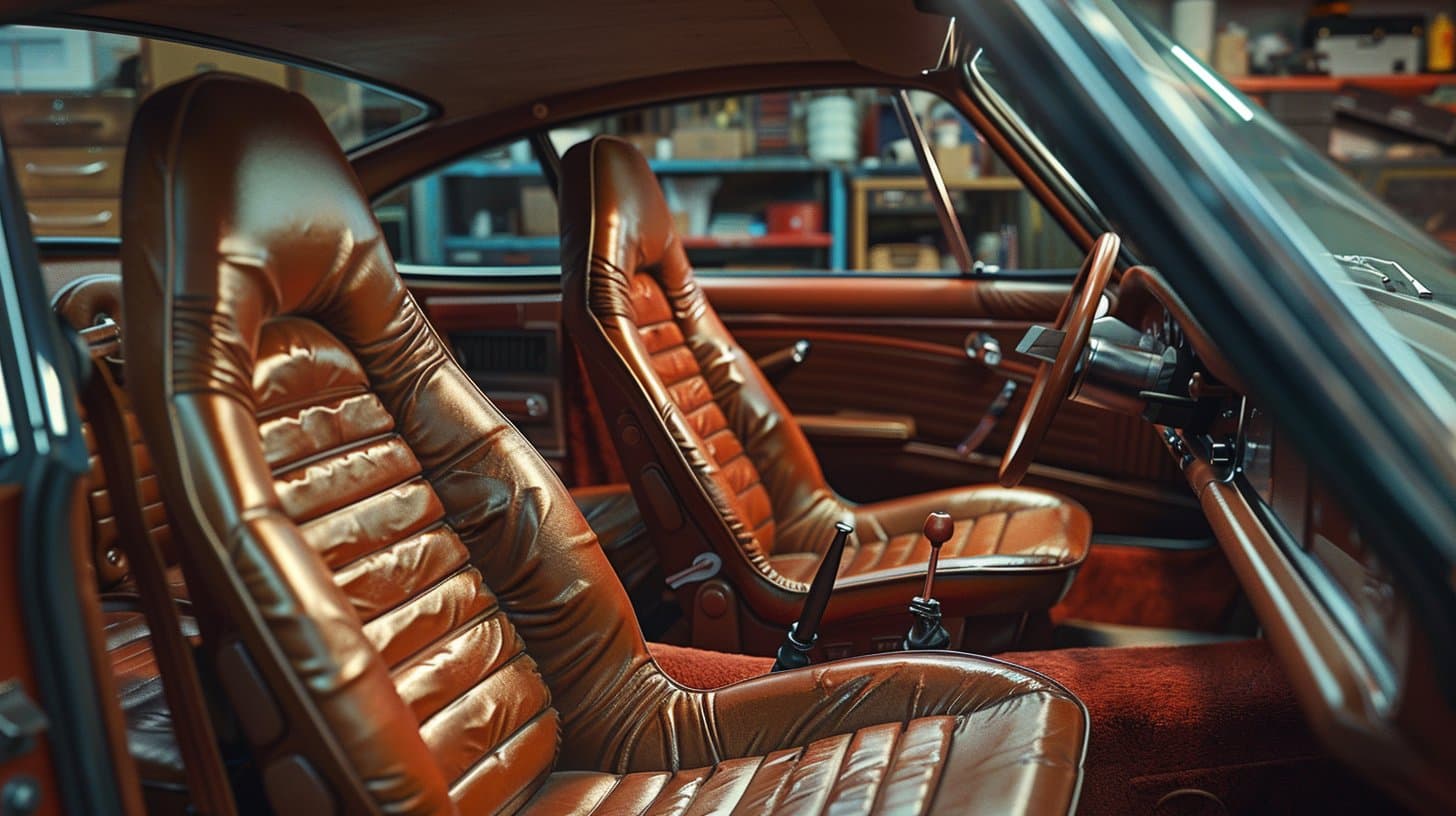
The leather interior of a classic car is often what transforms a vehicle from merely old to genuinely special. Whether you own a vintage Porsche 911, a classic Mercedes-Benz, or an American muscle car, understanding leather restoration classic car techniques can help you preserve or revive that timeless elegance. This comprehensive guide covers how to restore old car leather seats, from assessing damage to choosing between DIY and professional vintage car interior repair.
Understanding Classic Car Leather
Before diving into restoration techniques, it's important to understand that leather in classic cars is fundamentally different from modern automotive leather. Vintage vehicles typically used aniline or semi-aniline leather—natural hides with minimal surface coatings that develop a rich patina over time but are also more susceptible to damage.
Modern cars mostly use corrected-grain leather with heavy pigmented coatings that are more durable but lack the character of vintage hides. This distinction matters because restoration approaches differ significantly between these leather types.
Types of Leather Damage in Classic Cars
- •Drying and Cracking – The most common issue, caused by loss of natural oils over decades. Leather becomes stiff and develops surface cracks.
- •Fading and Discoloration – UV exposure causes pigments to break down, resulting in uneven color, especially on sun-exposed surfaces.
- •Wear and Abrasion – High-contact areas like seat bolsters show wear patterns, sometimes wearing through to the substrate.
- •Tears and Rips – Physical damage from use, improper storage, or accidents requires structural repair.
- •Mold and Mildew – Common in cars that have been stored improperly, leaving stains and odors.
Assessing Your Leather's Condition
Before starting any restoration work, thoroughly assess your leather's condition to determine the appropriate approach:
Level 1: Light Wear (Conditioning Only)
Leather is intact with no cracks or tears, just slightly dry or faded. This is the easiest to address—proper cleaning and conditioning may be all that's needed to restore suppleness and revive the appearance.
Level 2: Moderate Damage (Repair and Recolor)
Surface cracking, noticeable fading, or worn areas that haven't gone through the leather. These can often be repaired with fillers, sealers, and recoloring techniques without full reupholstery.
Level 3: Severe Damage (Professional Restoration)
Deep cracks, tears, holes, or leather that's worn through completely. This level typically requires professional intervention and may involve partial or complete reupholstery with period-correct materials.
DIY Leather Restoration Process
For Level 1 and some Level 2 damage, DIY restoration can achieve impressive results. Here's a comprehensive process for how to restore old car leather seats:
Step 1: Deep Cleaning
Start with a thorough cleaning to remove decades of dirt, oils, and contaminants. Use a pH-balanced leather cleaner and a soft brush to work into the grain. For heavily soiled leather, you may need multiple cleaning passes. Allow the leather to dry completely before proceeding.
Recommended Cleaning Products
- • Lexol Leather Cleaner
- • Leather Masters Strong Cleaner
- • Colourlock Mild Leather Cleaner
Step 2: Surface Preparation
Once clean and dry, lightly sand any rough areas or peeling finish with fine-grit sandpaper (600-800 grit). This creates a smooth surface for repairs and helps new products adhere properly. Wipe away all dust with a slightly damp cloth.
Step 3: Crack and Damage Repair
For surface cracks, apply a flexible leather filler in thin layers, allowing each layer to dry before adding the next. Build up gradually until the surface is level. For deeper damage, you may need to use a sub-patch beneath the filler for structural support.
Step 4: Sanding and Smoothing
After fillers have fully cured (usually 24 hours), sand smooth with progressively finer grits. The goal is a surface that's indistinguishable from the surrounding leather by touch.
Step 5: Recoloring (If Needed)
If color restoration is needed, apply leather colorant in thin, even coats using an airbrush or sponge. Multiple light coats produce better results than heavy application. Allow each coat to dry before adding the next. Color matching is critical—many suppliers can custom-match colors to your original leather.
Step 6: Sealing and Protection
Apply a leather finish or sealer to protect your work. Choose a finish level (matte, satin, or gloss) that matches the original appearance of your leather. This sealer provides wear resistance and makes future cleaning easier.
Step 7: Conditioning
Finally, apply a quality leather conditioner to restore suppleness and protect against future drying. For classic car leather, use conditioners without silicone or petroleum distillates that can damage vintage hides over time.
Professional Restoration Options
For severe damage or concours-level restorations, professional vintage car interior repair specialists offer services beyond DIY capabilities:
Full Leather Reconditioning
Professional cleaning, repair, and recoloring
Seat Reupholstery (Per Seat)
New leather covers, original patterns
Complete Interior Restoration
All leather surfaces, headliner, carpets
Concours-Level Restoration
Period-correct materials, show quality
Choosing Period-Correct Materials
For authentic restorations, using period-correct materials is essential. Specialists source or recreate leather that matches original specifications:
- ✓Connolly leather – The original supplier for many British and European classics
- ✓Correct grain patterns – Each era and manufacturer had distinctive textures
- ✓Original color formulations – Period colors often differ from modern equivalents
- ✓Authentic stitching – Thread color, stitch pattern, and technique matter for judged events
Maintaining Restored Leather
After investing in restoration, proper maintenance preserves your work for years to come:
- 1.Regular Cleaning – Clean leather every 1-2 months with pH-balanced cleaner to prevent dirt buildup.
- 2.Condition Quarterly – Apply quality conditioner every 3-4 months to maintain suppleness.
- 3.UV Protection – Use window tinting or car covers to minimize sun exposure when parked.
- 4.Climate Control – Avoid extreme temperature and humidity fluctuations in storage.
- 5.Avoid Harsh Products – Never use household cleaners, alcohol, or petroleum-based products on vintage leather.
When to Restore vs. Preserve Patina
One philosophical question in classic car circles is whether to fully restore leather or preserve its aged patina. There's no universal right answer—it depends on your goals:
Preserve patina if your car is a survivor-class vehicle where originality adds value, or if you appreciate the character that age brings. Focus on conditioning and stabilization rather than color restoration.
Full restoration makes sense for driver-quality cars you want to enjoy, vehicles being prepared for concours judging, or leather that has deteriorated beyond the point where patina is charming.
Final Thoughts
Leather restoration classic car work is both an art and a science. Whether you tackle the project yourself or entrust it to professionals, understanding the process helps you make informed decisions and appreciate the craftsmanship involved.
A beautifully restored leather interior transforms the driving experience, connecting you to your classic car in a way that worn, damaged leather simply can't. With proper care and maintenance, your restored interior will provide decades more enjoyment while preserving an important piece of automotive history.