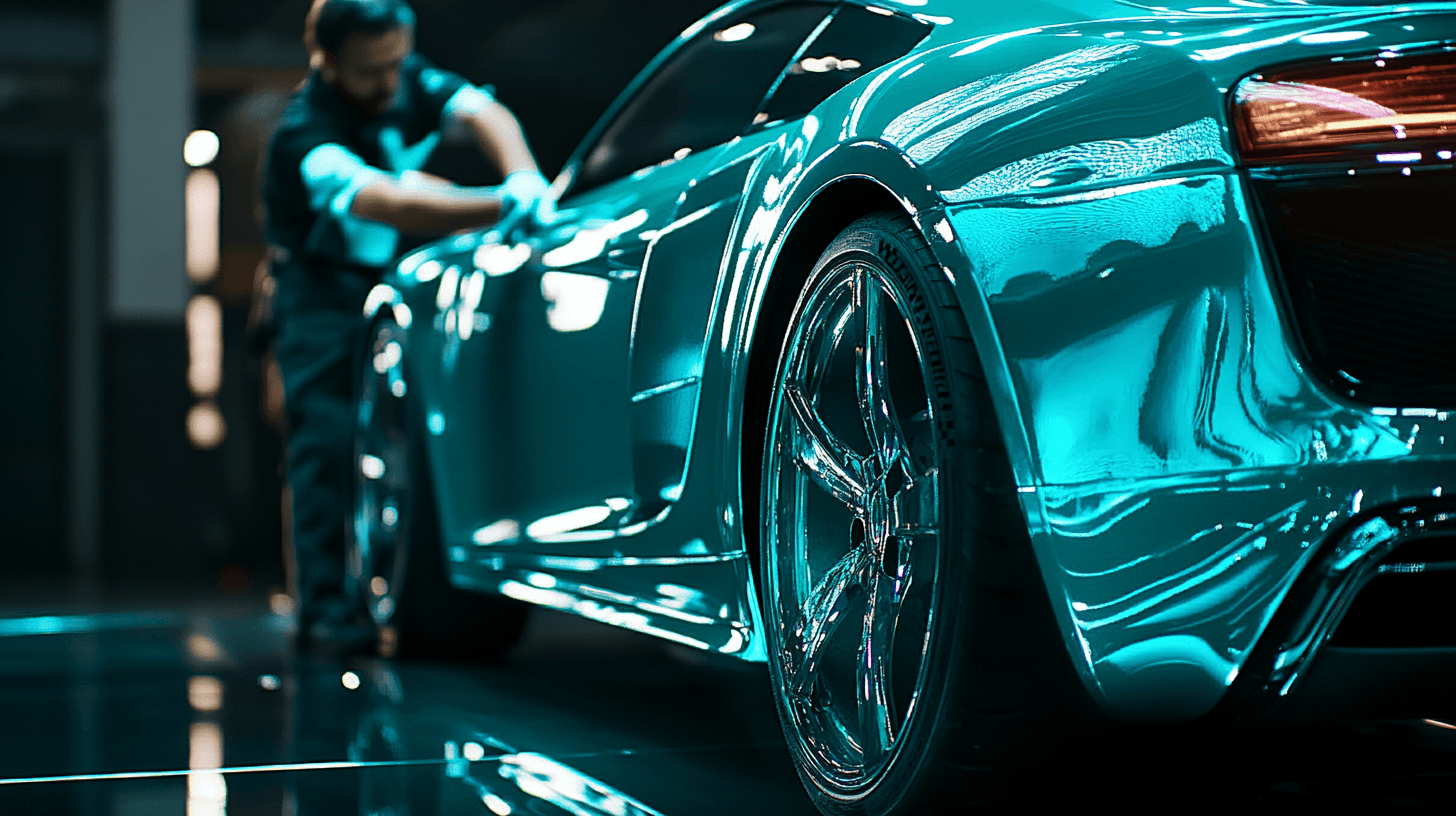
A quality vinyl wrap can last 5-7 years — or as little as 2 years if maintained poorly. The difference is almost entirely about how you wash, store, and protect the wrap. Here's everything you need to know to keep your wrap looking showroom-fresh for as long as possible.
Washing Your Wrap
Proper washing is the single most important factor in wrap longevity:
- ✓Hand wash only — Automatic car washes with brushes and high-pressure spinners can lift edges, scratch the film, and degrade the finish. Always hand wash.
- ✓Use wrap-safe soap — Standard car wash soaps with wax additives can leave residue that dulls matte and satin wraps. Use a pH-neutral soap without added wax or gloss enhancers.
- ✓Rinse first, then wash — Pre-rinse with low-pressure water to remove loose dirt and debris. Then wash with a soft microfiber mitt using straight-line motions, not circles.
- ✓Dry immediately — Use a clean, plush microfiber drying towel. Don't let water air-dry on the wrap — mineral deposits and water spots are harder to remove from vinyl than paint.
- ✕Never use a pressure washer above 1,200 PSI — High pressure can lift edges and force water under the film, causing bubbling and peeling. If you use a pressure washer, keep it below 1,200 PSI and at least 12 inches from the surface.
Cleaning Stubborn Contaminants
| Contaminant | Removal Method | What NOT to Use |
|---|---|---|
| Bird droppings | Soak with warm soapy water, blot gently | Don't scrub or use acidic cleaners |
| Tree sap | Isopropyl alcohol (70%) on a microfiber | Don't use nail polish remover or acetone |
| Bug splatter | Soak with warm water, wipe with soft cloth | Don't use abrasive bug removers |
| Fuel spills | Wipe immediately with damp cloth, then soap wash | Don't let gasoline sit on vinyl |
| Road tar | Dedicated tar remover (vinyl-safe), dab gently | Don't use WD-40 or harsh solvents |
The golden rule: remove contaminants as quickly as possible. The longer they sit on vinyl, the harder they are to remove and the more damage they cause. Keep a spray bottle of quick detailer in your car.
Protecting Your Wrap
- ✓Use a wrap-specific sealant — Ceramic sprays formulated for vinyl provide UV protection, hydrophobic properties, and make washing easier. Apply every 3-4 months.
- ✕Never wax a matte or satin wrap — Traditional wax and gloss-enhancing sealants will add shine to matte and satin finishes, ruining the intended look. Only use products explicitly labeled for matte/satin if your wrap isn't gloss.
- ✓Ceramic coat the wrap — A professional ceramic coating applied over a wrap provides 1-2 years of protection. It makes washing easier, adds UV resistance, and gives gloss wraps deeper shine.
- ✓Use PPF on high-impact areas — Paint protection film can be applied over vinyl wrap on the front bumper, hood edge, and mirror caps to prevent rock chips and road debris damage.
Storage and Parking
- ✓Park in a garage whenever possible — UV exposure is the number one cause of premature wrap failure. Garage parking can extend wrap life by 2-3 years.
- ✓Use a car cover outdoors — If you can't park in a garage, a breathable, UV-blocking car cover protects the wrap from sun, bird droppings, and sap.
- ✕Avoid prolonged sun exposure — Vinyl wraps, especially dark colors, absorb significant heat. Consistent exposure to 120°F+ surface temperatures accelerates adhesive breakdown and color fading.
- ✓Park away from sprinklers — Hard water from sprinkler systems leaves mineral deposits that are especially visible on dark and matte wraps.
Signs Your Wrap Needs Attention
- ✕Edge lifting — If edges start peeling, especially around door handles, mirrors, and bumper curves, get them re-sealed by a professional before water and dirt get underneath.
- ✕Color fading — Compare horizontal panels (hood, roof) to vertical ones (doors). If horizontal surfaces are noticeably faded, UV damage is significant.
- ✕Cracking or brittleness — If the wrap feels stiff or shows micro-cracks, it's past its useful life. Old vinyl becomes brittle and can crack when flexed.
- ✕Bubbling — Air or water bubbles under the film indicate adhesive failure. Small bubbles near edges can sometimes be re-pressed, but widespread bubbling usually means rewrap.
Wrap Lifespan by Type
| Wrap Type | Garaged | Outdoor Parked |
|---|---|---|
| Premium cast vinyl (3M, Avery) | 5-7 years | 3-5 years |
| Mid-range cast vinyl | 4-5 years | 2-4 years |
| Calendered vinyl (budget) | 2-3 years | 1-2 years |
| Chrome or specialty finish | 3-4 years | 2-3 years |
Final Thoughts
Wrap maintenance is simpler than most people think — it's mostly about what you don't do. Don't use automatic car washes, don't use harsh chemicals, don't let contaminants sit, and don't leave the car baking in the sun all day every day.
A gentle hand wash every two weeks, a wrap-safe sealant every few months, and garage parking whenever possible will keep your wrap looking fresh for years. It's a small investment of time that protects a significant investment in your vehicle's appearance.