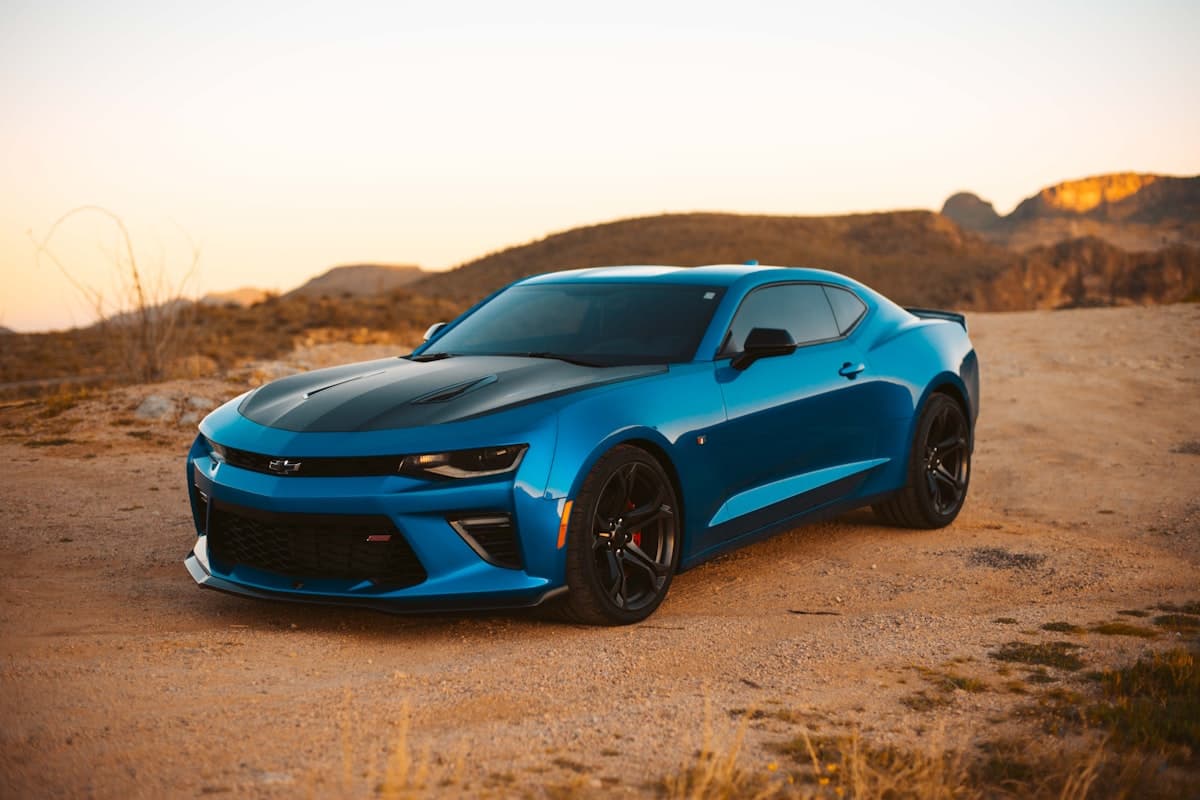
Car window tinting is one of the most popular vehicle upgrades in 2026, offering a combination of UV protection, heat reduction, privacy, and style. Whether you drive a daily commuter, a luxury sedan, or an electric vehicle, understanding the different types of window tint, their costs, and your state's legal requirements is essential before you invest. This comprehensive window tinting guide covers everything from VLT percentages and tint film technologies to installation tips and maintenance best practices.
What Is Window Tinting and Why Does It Matter?
Window tinting involves applying a thin film to the interior surface of your vehicle's glass. This film controls how much visible light, ultraviolet radiation, and infrared heat pass through the windows. Beyond aesthetics, automotive window tint serves several practical purposes that protect both you and your vehicle. Quality tint blocks up to 99% of harmful UV rays, which reduces skin cancer risk during daily driving — something the Skin Cancer Foundation has highlighted as a real concern for frequent drivers. Tint also reduces interior temperatures by as much as 60%, protects your dashboard, seats, and trim from UV fading and cracking, and provides a level of privacy and security that bare glass simply cannot offer.
Types of Window Tint Film Explained
Not all window tint is created equal. The best window tint for your car depends on your priorities — whether that's maximum heat rejection, appearance, signal transparency, or budget. Here are the five main types of window tint film available in 2026:
1. Dyed Window Tint Film
Dyed window tint is the most affordable option on the market. It uses a layer of dye between an adhesive layer and a protective top coat. Dyed tint provides good privacy and glare reduction with a matte-dark appearance that many drivers prefer. However, it offers minimal heat rejection compared to other types and is prone to fading over time, especially in hot climates. The dye can turn purple or brownish after a few years of sun exposure. Dyed tint is best suited for drivers on a tight budget who prioritize appearance and privacy over thermal performance. Expect to pay between $100 and $250 for a full vehicle application with dyed film.
2. Metalized Window Tint Film
Metalized tint film embeds tiny metallic particles within the film layers. These particles reflect sunlight and heat away from the vehicle, making metalized tint significantly more effective at heat rejection than dyed film. It also adds structural strength to the glass, making windows more shatter-resistant. The downside is that metalized tint creates a shinier, reflective appearance from the outside, and the metallic particles can interfere with radio frequencies, GPS signals, cell phone reception, and toll transponders. If you rely on Bluetooth, satellite radio, or in-car connectivity, metalized tint may not be the best choice. Pricing typically falls between $150 and $350 for a full vehicle.
3. Carbon Window Tint Film
Carbon window tint uses carbon fiber particles that provide excellent heat rejection without the signal interference problems of metalized film. Carbon tint blocks approximately 40% of infrared heat and delivers a rich, matte-dark finish that many car enthusiasts love. Unlike dyed film, carbon tint does not fade to purple over time, maintaining its appearance for years. It strikes an excellent balance between performance, looks, and price, making it one of the most popular choices for daily drivers in 2026. A full vehicle carbon tint installation typically costs between $200 and $450.
4. Ceramic Window Tint Film
Ceramic window tint represents the gold standard in window film technology. It uses nano-ceramic particles that are non-conductive and non-metallic, providing superior heat rejection — blocking up to 50-80% of infrared heat and 99% of UV rays — without any signal interference whatsoever. Ceramic tint maintains excellent optical clarity, meaning your view through the windows remains sharp and undistorted. It is also the most durable option, resisting fading, bubbling, and discoloration far longer than other types. The primary drawback is cost: ceramic tint typically runs $400 to $800+ for a full vehicle application. For drivers who want the absolute best performance and are willing to invest, ceramic tint is the clear winner.
5. Crystalline Window Tint Film
Crystalline tint (most notably 3M's Crystalline Series) is a multi-layer optical film that provides outstanding heat rejection while remaining virtually clear. This makes it ideal for drivers who want thermal protection without darkening their windows — perfect for states with strict tint laws or for drivers who prefer the factory glass look. Crystalline film can reject more heat than many darker tints despite allowing much more visible light through. It is also non-metallic, so there is zero signal interference. Pricing is comparable to ceramic tint, typically $400 to $800+ for a full vehicle.
Window Tint Type Comparison at a Glance
Understanding VLT Percentages
VLT (Visible Light Transmission) is the measurement used to describe how much visible light passes through a tinted window. A higher VLT percentage means more light passes through, resulting in a lighter tint. A lower VLT percentage means less light gets through, creating a darker appearance. For example, a window with 50% VLT allows half of visible light through, while a 5% VLT (commonly called "limo tint") allows only 5% of light through, appearing nearly opaque from the outside.
Common VLT Levels and Their Uses
Keep in mind that factory glass already has a built-in VLT level — typically around 70-80% for front windows and sometimes darker for rear windows. When you add tint film, the resulting VLT is the combination of the factory glass and the film. This is why your installer should measure total VLT after application to ensure legal compliance.
Window Tint Laws: What You Need to Know
Window tint laws vary significantly from state to state in the United States, and violating them can result in fines, failed inspections, or being pulled over. Understanding the legal requirements in your state is critical before getting your windows tinted. Here are the general patterns you will find across most states:
- •Windshield — Most states allow a non-reflective tint strip along the top of the windshield, typically above the manufacturer's AS-1 line (usually the top 4-6 inches). Full windshield tinting is generally prohibited.
- •Front side windows — This is where laws vary most. Many states require at least 35% VLT on the driver and passenger front windows. Some states allow as low as 25%, while others mandate 50% or higher. A few states (like Michigan and New Hampshire) do not allow any aftermarket tint on front side windows.
- •Rear side windows — Laws are typically more relaxed for rear side windows. Many states allow much darker tint — 20% or even 5% VLT — on rear side windows, especially if the vehicle has side mirrors on both sides.
- •Rear window — Similar to rear side windows, most states allow darker tint on the rear window, provided the vehicle has both exterior side mirrors.
- •Medical exemptions — Many states offer medical exemptions that allow darker tint for individuals with conditions like lupus, photosensitivity, or certain skin conditions. You typically need a doctor's note and must carry documentation in the vehicle.
Always check your specific state's DMV website or consult with a professional tint installer who is familiar with local regulations. Reputable shops will refuse to install tint that violates local laws and can help you find the darkest legal option for your area. If you frequently drive across state lines, you may want to comply with the strictest state you travel through.
Key Benefits of Window Tinting
The benefits of professional window tinting extend well beyond aesthetics. Here is what quality tint delivers:
- •UV protection — Premium tint blocks up to 99% of UVA and UVB rays, protecting your skin from sun damage during daily commutes and long drives. This also prevents your interior materials from fading, cracking, and deteriorating prematurely.
- •Heat reduction — Depending on the film type, window tint can reject 25-80% of solar heat, keeping your cabin dramatically cooler. This means less air conditioning usage, improved fuel economy, and a more comfortable driving experience.
- •Glare reduction — Tint reduces harsh sunlight glare and headlight glare at night, reducing eye strain and improving driving safety. This is especially valuable for commuters who drive east in the morning and west in the evening.
- •Privacy and security — Darker tint makes it harder for people to see inside your vehicle, protecting valuables and adding personal privacy. This also deters smash-and-grab theft since potential thieves cannot easily assess what is inside.
- •Shatter resistance — Window film holds glass together in the event of an accident or break-in attempt, reducing the risk of flying glass shards and potentially slowing down intruders.
- •Interior preservation — By blocking UV rays and heat, tint significantly extends the life of your leather seats, dashboard, steering wheel, and trim, preserving your vehicle's resale value.
Ceramic Tint vs. Standard Tint: Which Should You Choose?
The debate between ceramic tint vs. standard tint comes down to performance versus price. Ceramic tint outperforms standard dyed and metalized films in virtually every measurable category. It rejects significantly more infrared heat (up to 80% compared to 15-40% for dyed and metalized), blocks 99% of UV without any signal interference, and lasts considerably longer without fading or discoloring.
Standard dyed tint costs roughly half as much but degrades faster, offers minimal heat rejection, and may turn purple within a few years. Metalized tint performs better on heat but interferes with electronics. Carbon tint sits in the middle, offering strong performance without interference at a moderate price point.
For most drivers in 2026, ceramic window tint provides the best long-term value despite its higher upfront cost. If you plan to keep your vehicle for three or more years, the durability and performance advantages of ceramic typically justify the investment. If you are on a strict budget, carbon tint is the best alternative, offering a significant step up from dyed film without the signal issues of metalized.
How Long Does Window Tint Last?
The lifespan of window tint depends on the type of film, quality of installation, climate, and how well you maintain it. Here are general expectations:
Quality ceramic and crystalline films from reputable brands like 3M, XPEL, SunTek, and Llumar often come with lifetime warranties, giving you peace of mind that your investment is protected. Cheap, no-name tint may save money upfront but often bubbles, peels, or fades within a year or two.
The Professional Installation Process
Understanding the window tint installation process helps you know what to expect and evaluate the quality of work:
- 1.Window cleaning — Every window is thoroughly cleaned inside and out to remove all dirt, dust, and oils. Any contamination under the film will cause bubbles.
- 2.Film cutting — The tint film is precisely cut to match each window's dimensions, either by hand using templates or with a computer-controlled plotter for exact fitment.
- 3.Heat shrinking — For curved rear windows, the film is heat-shrunk on the exterior glass to conform to the curvature before installation on the interior.
- 4.Application — A slip solution is sprayed on the interior glass surface, the film is carefully positioned, and a squeegee is used to push out all water and air bubbles.
- 5.Edge trimming — The installer trims the film precisely at the edges, typically leaving a small gap from the window gaskets for a clean, professional look.
- 6.Curing — The tint needs 2-4 days (sometimes up to 2 weeks in cold weather) to fully cure and bond to the glass. During this time, small water bubbles are normal and will disappear.
A professional installation typically takes 2-4 hours for a full vehicle. Rear windows with defroster lines require extra care and expertise, which is one reason professional installation is strongly recommended over DIY.
DIY Window Tinting vs. Professional Installation
DIY window tint kits are available online for $30 to $100, which makes them tempting for budget-conscious drivers. However, there are significant reasons to consider professional installation instead:
DIY tinting requires a clean, dust-free workspace, precise cutting skills, and patience with the application process. Even small imperfections — air bubbles, creases, dust particles trapped under the film, or uneven edges — are highly visible and difficult to fix. Curved rear windows are particularly challenging for beginners and often result in wrinkles or gaps. Additionally, most DIY kits use lower-quality film that degrades faster than professional-grade options.
Professional installers work in controlled, clean environments with years of experience and access to premium films. They also typically offer warranties on both the film and the installation. If you have the budget, professional installation is almost always worth the extra cost. The exception might be flat, small windows on utility vehicles where appearance is less critical.
Window Tint Care and Maintenance
Proper window tint maintenance helps your film last as long as possible:
- •Wait before cleaning — Do not clean tinted windows for at least 3-5 days after installation to allow the film to fully cure and bond.
- •Use ammonia-free cleaner — Ammonia-based glass cleaners (like traditional Windex) will break down tint film over time. Use a cleaner specifically designed for tinted windows or a simple vinegar-water solution.
- •Soft materials only — Clean tinted windows with soft microfiber cloths or paper towels. Never use abrasive pads, scrapers, or rough materials that could scratch the film.
- •Avoid stickers on tinted glass — Removing adhesive stickers from tinted windows can damage or peel the film. If you must apply stickers, use the exterior surface.
- •Be gentle with seat belts — Seat belt buckles swinging into tinted rear side windows is a common cause of scratches and chips. Take care when buckling and unbuckling, especially in rear seats.
Common Window Tinting Mistakes to Avoid
Whether you are tinting your windows yourself or choosing a professional, watch out for these common window tinting mistakes:
- ✕Choosing the cheapest option — Bargain tint from unknown brands will fade, bubble, and peel, costing you more in removal and re-tinting than investing in quality film upfront.
- ✕Ignoring state laws — Getting pulled over, fined, or failing inspection because your tint is too dark is an expensive and avoidable mistake.
- ✕Rolling windows down too soon — Opening your windows within 48 hours of installation can shift the film before it cures, causing peeling and misalignment.
- ✕Not asking about warranties — Reputable shops and premium films come with warranties. If your installer does not offer any warranty, that is a red flag.
- ✕Skipping the front windshield strip — Even if you do not tint side windows, a UV-blocking strip across the top of the windshield reduces glare and heat significantly.
How Window Tint Affects Electric Vehicle Range
For EV owners, window tinting offers a unique and often overlooked benefit: improved driving range. Air conditioning is one of the largest drains on an electric vehicle's battery, and in hot climates, running the AC can reduce range by 15-30% or more. By installing high-quality ceramic or crystalline window tint that blocks 50-80% of solar heat, you dramatically reduce the heat load inside the cabin. This means the AC system works less hard, cycles less frequently, and draws less power from the battery.
Real-world EV owners have reported gaining 5-15 miles of additional range on hot days after installing ceramic tint, with the most dramatic improvements seen in vehicles with large glass roofs like the Tesla Model 3, Model Y, and Rivian R1S. If you drive an EV in a warm or hot climate, ceramic window tint is one of the most cost-effective ways to extend your EV range without changing your driving habits.
Additionally, reduced AC use means less wear on the HVAC system and a more comfortable cabin temperature when you first enter the car — even after it has been parked in direct sunlight. For EV owners who precondition their cabin while plugged in, tint reduces the energy needed for preconditioning as well.
Window Tinting Cost Breakdown
The total cost of window tinting depends on your vehicle type, the film you choose, and your location. Here is a comprehensive breakdown:
Final Thoughts: Is Window Tinting Worth It?
Absolutely. Window tinting is one of the best investments you can make in your vehicle's comfort, protection, and appearance. The key is choosing the right type of film for your needs and budget, ensuring compliance with your state's laws, and having it installed by a qualified professional. In 2026, ceramic tint offers the best overall value for most drivers, while crystalline film is ideal for those who want heat protection without darkening their windows.
Whether you drive a classic car, a daily commuter, or the latest electric vehicle, the right window tint will keep you cooler, protect your health, preserve your interior, and enhance your driving experience for years to come. Take the time to research your options, verify your local laws, and choose a reputable installer — your future self will thank you every time you step into a cool, comfortable cabin on a blazing hot day.