Wireless EV Charging: Is It Ready for Prime Time?
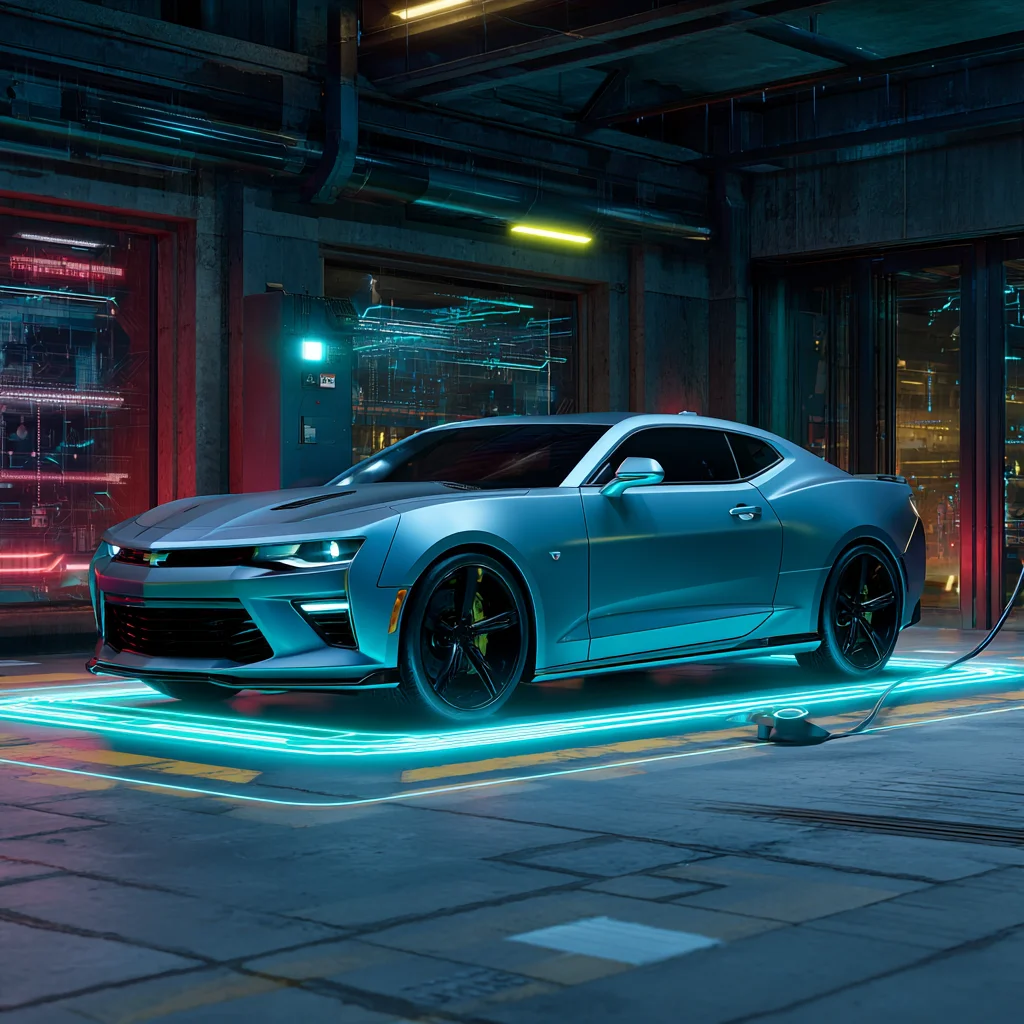
Imagine pulling into your garage and having your electric vehicle charge automatically—no plugs, no cables, no effort required. This is the promise of wireless EV charging, a technology that's moving from concept to reality. Using magnetic resonance to transfer power through the air, wireless charging systems can deliver thousands of watts to your vehicle's battery with nothing more than precise parking. But is this technology ready for mainstream adoption? This article explores how wireless EV charging works, its current capabilities, the vehicles and systems available today, and what the future holds.
How Wireless EV Charging Works
Wireless EV charging uses the same fundamental principle as wireless phone chargers—electromagnetic induction—but at a much higher power level and with different engineering challenges.
The Basic Technology
Wireless charging systems consist of two main components: a ground assembly (GA) containing a transmitter coil, and a vehicle assembly (VA) containing a receiver coil. The ground assembly connects to your electrical supply and generates a magnetic field. When the vehicle parks over the ground assembly with proper alignment, the magnetic field induces an electrical current in the vehicle's receiver coil. This current charges the battery, just like plugging in a cable. The system typically operates at frequencies between 79-90 kHz, optimized for efficient power transfer.
Magnetic Resonance vs. Inductive Coupling
While simple inductive coupling (like phone chargers) requires very close proximity, EV wireless charging uses magnetic resonance. This technology allows power transfer across larger gaps—typically 4-10 inches—accommodating different vehicle ground clearances. Resonant coupling also maintains efficiency better with minor misalignment, making it more practical for real-world parking.
Power Levels and Efficiency
Current wireless EV charging systems operate at power levels from 3.3 kW (similar to Level 1 plug-in) to 11+ kW (matching Level 2 home charging). Higher power systems up to 22 kW are in development. Efficiency typically ranges from 90-93%, compared to 95%+ for plug-in charging. This means slightly more electricity is consumed for the same charge, but the difference is minimal in real-world use.
Current Wireless Charging Systems
Several companies offer wireless EV charging systems today, ranging from aftermarket solutions to factory-integrated options.
WiTricity
WiTricity is the leader in wireless EV charging technology, licensing its magnetic resonance technology to automakers worldwide. Their Halo system delivers up to 11 kW and is being integrated by multiple manufacturers. WiTricity's technology underpins many of the factory wireless charging systems appearing in new vehicles. The company also offers aftermarket solutions for existing EVs.
Plugless (by Evatran)
Plugless offers aftermarket wireless charging systems for specific vehicle models including Tesla Model S and BMW i3. Their 7.2 kW system provides meaningful overnight charging without plugging in. Installation requires mounting a receiver unit under the vehicle and placing the ground pad in your parking space. Prices start around $3,000-$4,000 for complete systems.
Momentum Dynamics
Momentum Dynamics focuses on high-power wireless charging for commercial fleets, particularly buses. Their systems can deliver 200-450 kW, enabling opportunity charging during regular route stops. While not consumer-focused, their technology demonstrates wireless charging's potential at much higher power levels.
WAVE (Wireless Advanced Vehicle Electrification)
WAVE, now part of Ideanomics, provides wireless charging systems for commercial vehicles. Their technology is deployed in transit bus fleets across several cities, proving the concept's viability for heavy-duty applications.
Vehicles with Factory Wireless Charging
Several automakers are now offering or developing factory-integrated wireless charging capability.
Genesis GV60
The Genesis GV60 offers optional factory wireless charging capability in select markets. Using WiTricity technology, the system provides up to 11 kW charging power. Owners purchase the ground assembly separately. The vehicle includes alignment assistance to help park precisely over the charging pad.
BMW iX and Future Models
BMW has been a pioneer in wireless charging development. While the previous-generation 530e offered wireless charging in limited markets, the iX and other future models are expected to offer the technology more broadly. BMW's system includes automatic parking assistance to position the car precisely.
Mercedes-Benz
Mercedes-Benz has demonstrated wireless charging capability and is developing systems for future EQ models. Their approach emphasizes integration with autonomous parking—the car would automatically position itself for optimal charging.
Hyundai/Kia/Genesis
Beyond the Genesis GV60, Hyundai Motor Group is developing wireless charging for multiple platforms. Future Hyundai and Kia EVs are expected to offer the option, likely using standardized technology for interoperability.
Benefits of Wireless Charging
Wireless charging offers several compelling advantages over traditional plug-in charging.
Ultimate Convenience
The primary benefit is pure convenience. Simply park and charging begins—no cables to handle, no plugs to connect, no thought required. In rain, snow, or extreme temperatures, this matters even more. For daily home charging, the small effort of plugging in is eliminated entirely.
Accessibility
Wireless charging significantly improves accessibility for people with mobility challenges. Handling heavy charging cables can be difficult or impossible for some users. Wireless systems eliminate this barrier, making EVs more accessible to everyone.
Reduced Wear and Vandalism
Charging ports and cables experience wear from daily use. Public charging stations face vandalism and cable theft. Wireless systems have no exposed connectors to damage or steal, potentially reducing maintenance costs and improving reliability.
Autonomous Vehicle Integration
For autonomous vehicles, wireless charging is essential. A self-driving car can't plug itself in, but it can park over a charging pad. As autonomy advances, wireless charging becomes not just convenient but necessary for fully autonomous operation.
Cleaner Aesthetics
Wireless charging pads can be embedded in garage floors or parking surfaces, eliminating visible charging equipment. No cable management, no wall boxes—just a clean parking space that happens to charge your car.
Current Limitations and Challenges
Despite its appeal, wireless EV charging faces several challenges that limit current adoption.
Cost
Wireless charging systems cost significantly more than plug-in alternatives. A Level 2 home EVSE costs $500-$800 for the unit. A comparable wireless system costs $2,000-$4,000+, plus any vehicle modifications needed for aftermarket installations. As production scales, costs should decline, but the premium remains substantial.
Efficiency Loss
Wireless charging loses 7-10% more energy compared to plug-in charging. For a typical driver charging at home, this might mean $50-$100 more per year in electricity costs. While not dramatic, efficiency-conscious users may prefer plug-in options.
Alignment Requirements
While resonant coupling allows some misalignment, efficiency drops significantly when the vehicle isn't positioned correctly over the ground pad. Most systems require parking within 4-6 inches of optimal position. Guidance systems help, but precise parking can be challenging in tight spaces or for less experienced drivers.
Power Level Limitations
Current consumer wireless systems top out at 11 kW, matching Level 2 plug-in charging. There's no wireless equivalent to DC fast charging for consumers. For home overnight charging, this is adequate, but it limits wireless charging's usefulness for quick top-ups or road trip scenarios.
Standardization
Unlike plug-in charging (where J1772 and NACS are well-established), wireless charging standards are still evolving. SAE J2954 provides a standard framework, but interoperability between different manufacturers' systems isn't guaranteed. Buying a ground assembly from one company may not work with a vehicle from another.
Installation Complexity
Installing wireless charging requires positioning the ground pad precisely for your parking location and potentially modifying the garage floor. For embedded installations, this can involve concrete cutting. The installation is more complex than mounting a standard wall charger.
Dynamic Wireless Charging: The Future?
While static wireless charging (charging while parked) is available today, researchers and companies are developing dynamic wireless charging—charging while driving.
How It Would Work
Dynamic charging embeds transmitter coils in the roadway. As vehicles drive over the enabled lane, power transfers continuously to the vehicle. This could enable EVs with smaller batteries (lighter, cheaper) while providing unlimited range. The technology has been demonstrated in test tracks and pilot projects.
Current Projects
Several dynamic charging pilot projects are underway. Sweden has installed charging rails in public roads. Italy has tested dynamic charging on a highway section. Michigan is building a wireless charging road in Detroit. These projects test the technology's viability but are years from commercial deployment.
Challenges
Dynamic charging faces enormous infrastructure challenges. Embedding charging systems in roads is expensive and complex. Billing systems for charging while driving don't exist. Standardization across regions and countries is problematic. While the concept is exciting, widespread implementation is likely decades away.
Is Wireless Charging Right for You?
Wireless EV charging makes sense for certain users and situations, but isn't necessary for everyone.
Consider Wireless Charging If...
You highly value convenience and are willing to pay a premium for it. You have mobility challenges that make handling cables difficult. You're purchasing a new vehicle with factory wireless capability. You want a completely clean garage aesthetic. You're planning for an autonomous vehicle future.
Stick with Plug-In Charging If...
You want the lowest cost solution. You're concerned about energy efficiency. You need faster than 11 kW charging at home. Your vehicle doesn't support wireless charging. You rent or might move soon (plug-in equipment is more portable).
Conclusion: Ready but Still Maturing
Wireless EV charging technology works and is available today for certain vehicles and situations. The convenience is undeniable—parking and walking away while your car charges is genuinely delightful. However, high costs, limited vehicle compatibility, and efficiency penalties mean wireless charging remains a premium option rather than a mainstream choice. As more automakers integrate wireless capability and standards mature, expect costs to drop and adoption to increase. For most EV owners in 2026, plug-in charging remains the practical choice. But for those who value ultimate convenience and have compatible vehicles, wireless charging delivers on its promise of effortless power. The technology is ready—whether it's ready for your specific situation depends on your priorities and circumstances.