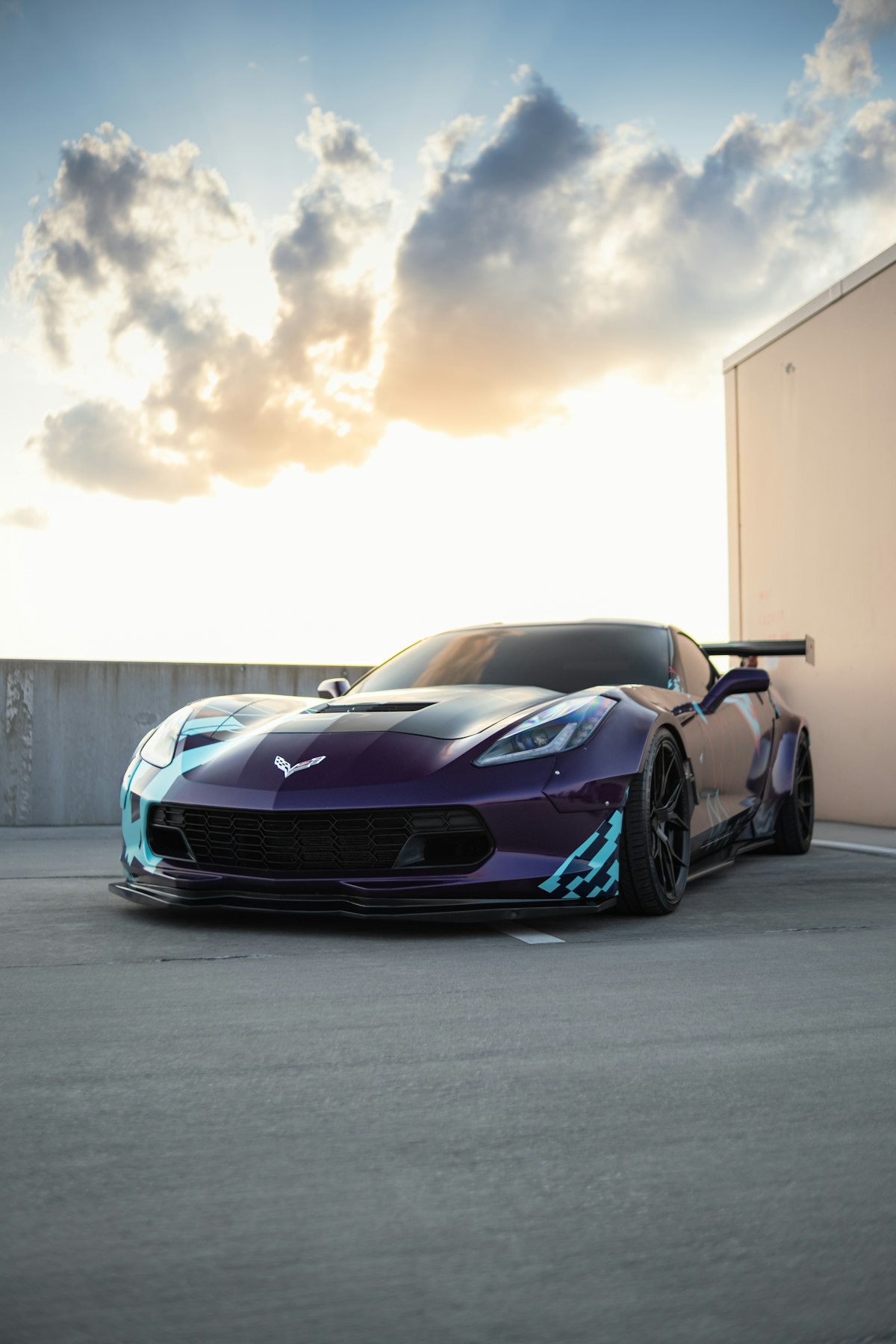
If you've recently purchased a luxury vehicle or electric car, you've probably heard about paint protection film (PPF) and ceramic coating. Both promise to protect your car's finish, but they work in fundamentally different ways. The question "is PPF worth it for a new car?" and "should I get ceramic coating or PPF?" are among the most common questions we hear from car owners.
In this comprehensive guide, we'll dive deep into PPF vs ceramic coating pros and cons, help you understand the real-world differences, and guide you toward the best choice for your specific situation. Whether you're protecting a Tesla Model S, Porsche 911, or any other vehicle, this guide will give you the information you need to make an informed decision.
Quick Comparison: PPF vs Ceramic Coating
| Feature | PPF | Ceramic Coating |
|---|---|---|
| Rock Chip Protection | Excellent | None |
| Scratch Resistance | Excellent | Moderate |
| Chemical Resistance | Good | Excellent |
| Gloss Enhancement | Moderate | Excellent |
| Hydrophobic Properties | Moderate | Excellent |
| Cost (Full Car) | $5,000-$8,000+ | $1,000-$3,000 |
| Longevity | 5-10 years | 2-5 years |
What is Paint Protection Film (PPF)?
Paint protection film, also known as clear bra or PPF, is a thermoplastic urethane film that's applied to the painted surfaces of your car. Originally developed for military helicopters to protect rotor blades from debris, PPF has become the gold standard for physical paint protection.
Modern PPF is typically 6-8 mils thick (about 0.15-0.2mm) and features self-healing properties. This means that light scratches and swirl marks can disappear when exposed to heat, either from the sun or warm water. The film acts as a sacrificial layer, absorbing impacts from rocks, road debris, bug acids, and other hazards that would otherwise damage your paint.
How Does PPF Protect Your Car?
Does PPF prevent rock chips? Absolutely—this is its primary purpose. When a rock or piece of debris hits your car, the PPF absorbs the impact and disperses the energy across a larger area. Instead of chipping your paint, the rock might leave a mark on the film that often self-heals within hours.
- Impact absorption: The film's thickness and elasticity absorb physical impacts that would chip or scratch bare paint
- Self-healing technology: Minor scratches disappear with heat exposure, keeping the film looking new
- UV protection: Quality PPF blocks UV rays that cause paint oxidation and fading
- Chemical resistance: Protects against bird droppings, bug splatter, tree sap, and road tar
Best PPF Brands in 2025
Not all paint protection films are created equal. Here are the top PPF brands trusted by professionals:
- XPEL Ultimate Plus: Industry leader known for excellent clarity and self-healing properties
- SunTek Ultra: Great optical clarity and competitive pricing
- 3M Scotchgard Pro: Trusted brand with consistent quality
- Llumar Valor: Excellent warranty and professional-grade performance
- SteK DYNOshield: Premium option with exceptional clarity
What is Ceramic Coating?
Ceramic coating is a liquid polymer that chemically bonds to your car's factory paint, creating a permanent or semi-permanent protective layer. Unlike wax or sealants that sit on top of the paint, ceramic coatings become part of your car's surface at a molecular level.
The primary ingredient in most ceramic coatings is silicon dioxide (SiO2), sometimes combined with titanium dioxide (TiO2). When applied correctly, this creates an incredibly hard, glass-like layer that's measured on the hardness scale as 9H—the highest rating for pencil hardness testing.
How Does Ceramic Coating Protect Your Car?
What does ceramic coating actually do? Unlike PPF, ceramic coating doesn't provide physical impact protection. Instead, it offers:
- Hydrophobic properties: Water beads up and rolls off, taking dirt with it—this is the famous "self-cleaning" effect
- Chemical resistance: Excellent protection against bird droppings, bug acids, tree sap, and industrial fallout
- UV protection: Prevents oxidation and fading from sun exposure
- Enhanced gloss: Creates a deep, wet-look shine that makes colors pop
- Easier cleaning: Dirt and grime don't bond to the surface, making washes faster and safer
Important: What Ceramic Coating Can't Do
Does ceramic coating prevent rock chips? No. This is a common misconception. Ceramic coating is only a few microns thick and provides no protection against physical impacts. A rock will chip right through ceramic coating just as easily as it would chip bare paint. If rock chip protection is your priority, you need PPF.
PPF vs Ceramic Coating Cost Comparison
One of the biggest factors in the PPF vs ceramic coating decision is cost. Let's break down what you can expect to pay:
Paint Protection Film Costs
How much does PPF cost? Professional PPF installation typically ranges from:
- Front bumper only: $400-$700
- Partial front (bumper, hood, fenders, mirrors): $1,500-$2,500
- Full front end: $2,000-$3,500
- Full vehicle wrap: $5,000-$8,000+
Prices vary based on vehicle size, complexity, and the specific PPF brand used. Tesla PPF cost tends to be on the higher end due to the complex curves and large surface areas on models like the Model S and Model X.
Ceramic Coating Costs
How much does ceramic coating cost? Professional ceramic coating typically ranges from:
- Entry-level professional coating: $500-$1,000
- Mid-tier coating (2-3 year durability): $1,000-$1,500
- Premium coating (5+ year durability): $1,500-$3,000
- Ultra-premium (Ceramic Pro, Gtechniq Crystal Serum): $2,000-$5,000
PPF or Ceramic Coating: Which Should You Choose?
The best paint protection for your car depends on your specific needs, driving habits, and budget. Here's our recommendation based on different scenarios:
Choose PPF If...
- • You drive on highways frequently and encounter road debris
- • You live in an area with gravel roads or construction zones
- • Rock chips and physical damage are your primary concern
- • You're protecting a high-value or exotic vehicle
- • You plan to keep the car long-term and want maximum resale value
- • You have a dark-colored car where chips are highly visible
Choose Ceramic Coating If...
- • Easy cleaning and maintenance are your top priorities
- • You want enhanced gloss and shine
- • You park outdoors and face environmental contaminants
- • Your budget is limited but you want professional protection
- • Rock chips aren't a major concern in your area
- • You want to protect the entire vehicle including wheels and glass
The Ultimate Solution: PPF + Ceramic Coating
Can you put ceramic coating over PPF? Absolutely—and this is actually the ideal combination. Many car enthusiasts opt for PPF on high-impact areas (front end) with ceramic coating over the entire vehicle, including on top of the PPF.
This gives you the best of both worlds: physical protection from PPF and the hydrophobic, easy-clean properties of ceramic coating. The ceramic also helps maintain the PPF's appearance and can extend its lifespan.
Professional vs DIY: Application Considerations
Can You Install PPF Yourself?
DIY PPF installation is technically possible, but we strongly recommend against it for most people. PPF application requires:
- A perfectly clean, controlled environment (dust-free)
- Specialized tools and slip solutions
- Significant experience with stretching and wrapping film
- Knowledge of edge wrapping and seaming techniques
- Hours of patience for a single panel
Poor PPF installation can result in bubbles, lifting edges, visible seams, and premature failure. Given the cost of quality PPF material, professional installation is almost always worth the extra expense.
Can You Apply Ceramic Coating Yourself?
DIY ceramic coating is more feasible than DIY PPF, but still has significant challenges. Consumer-grade ceramic coatings are available, but they typically offer shorter durability (6-12 months) compared to professional-grade products (2-5+ years).
The most critical aspect of ceramic coating application is paint preparation. The paint must be thoroughly decontaminated and corrected (polished) before coating. Applying ceramic coating over swirl marks or contaminants will lock in those imperfections permanently.
Longevity and Maintenance Requirements
How Long Does PPF Last?
Quality paint protection film typically lasts 5-10 years depending on:
- Quality of the film and installation
- Climate (extreme heat and UV exposure accelerate degradation)
- How well you maintain the vehicle
- Whether the car is garaged or parked outside
Signs that your PPF needs replacement include yellowing, cracking at edges, significant loss of self-healing ability, and excessive orange peel texture.
How Long Does Ceramic Coating Last?
Ceramic coating longevity varies significantly based on the product:
- Consumer-grade coatings: 6 months to 1 year
- Entry-level professional coatings: 1-2 years
- Mid-tier professional coatings: 3-5 years
- Premium professional coatings: 5-7+ years (with proper maintenance)
Maintenance Tips for Both
Whether you have PPF, ceramic coating, or both, follow these maintenance best practices:
- Wash with pH-neutral soap: Avoid harsh chemicals that can degrade coatings or films
- Use the two-bucket wash method: Prevents scratching from trapped dirt
- Avoid automatic car washes: Brushes can damage PPF and strip ceramic coating
- Remove contaminants promptly: Bird droppings and bug splatter should be cleaned within 24-48 hours
- Apply coating maintenance spray: Ceramic coatings benefit from periodic maintenance products
Frequently Asked Questions
Is PPF worth it for a daily driver?
Yes, especially if you drive on highways or in areas with road debris. At minimum, protecting the front bumper and hood can prevent hundreds of rock chips over the vehicle's lifetime, preserving both appearance and resale value.
Does ceramic coating replace waxing?
Yes! Once you have a ceramic coating, you no longer need to wax your car. In fact, applying wax over ceramic coating is generally not recommended as it can interfere with the coating's hydrophobic properties.
Can PPF be removed without damaging paint?
Yes, when properly installed and removed by professionals, PPF should come off cleanly without damaging the underlying paint. In fact, your paint should look exactly as it did when the film was applied, protected from years of environmental damage.
Which is better for a Tesla: PPF or ceramic coating?
Tesla paint is known for being relatively soft and prone to chips and scratches. For optimal protection, we recommend PPF on high-impact areas (full front end at minimum) combined with ceramic coating over the entire vehicle, including on top of the PPF.
Final Verdict: Making Your Decision
The PPF vs ceramic coating debate doesn't have to be an either/or decision. Both products serve different purposes and can work together beautifully. If budget allows, the combination of PPF on high-impact areas plus ceramic coating everywhere is the ultimate protection package.
If you must choose one, consider your primary concerns: physical protection from rock chips points to PPF, while easy cleaning and enhanced appearance points to ceramic coating. Both are worthwhile investments that protect your vehicle and preserve its value.
Whatever you choose, make sure to work with reputable installers who use quality products. The skill of the installer matters just as much as the products they use. A poorly installed premium product will underperform a well-installed mid-tier option every time.
Ready to Protect Your Vehicle?
Find certified PPF installers and ceramic coating specialists in your area.
Find Installers Near You