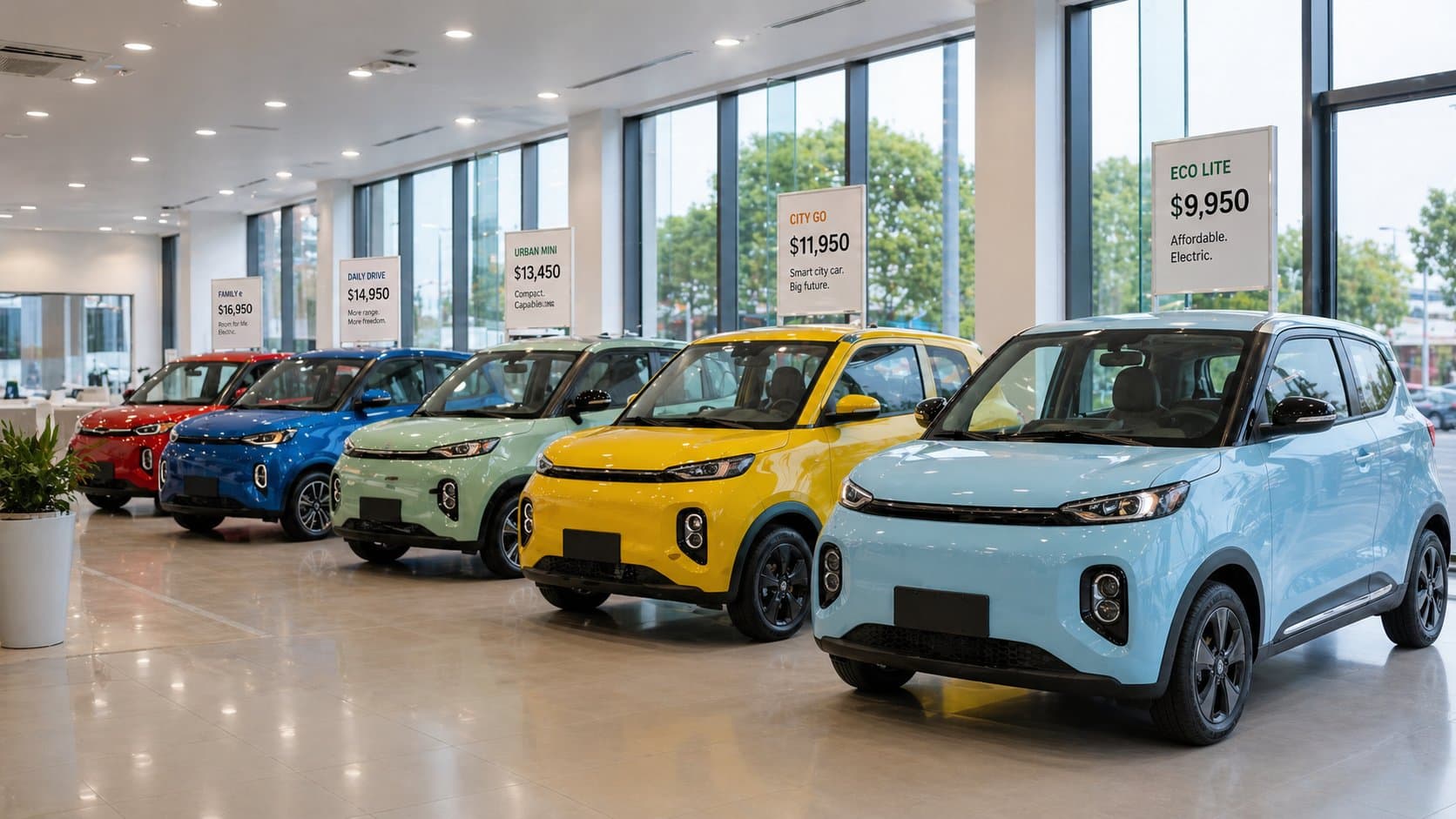
EV pricing follows seasonal patterns that most buyers never notice — but dealers absolutely do. The difference between buying at the right time and the wrong time can be $2,000–$5,000 on the same vehicle with the same specs from the same dealer. This guide reveals when EV deals are deepest and when to avoid the showroom entirely.
The EV Pricing Calendar
January–February: Post-Holiday Clearance
Dealers start the year with leftover inventory from the previous model year and holiday-season vehicles that did not sell. This creates the first deal window of the year, particularly for the prior year's models. A 2025 model still on the lot in February 2026 represents carrying cost that the dealer wants to eliminate — and that motivation translates to aggressive pricing.
Additionally, the new federal budget year sometimes brings updated tax credit eligibility lists in January. Vehicles that newly qualify for the $7,500 federal credit effectively become $7,500 cheaper overnight — creating a brief window where the sticker price has not adjusted upward to account for the new credit availability.
March–April: Tax Refund Season
Tax refund season brings a surge of buyers into dealerships with cash for down payments. Demand increases, which means deals get slightly worse. However, dealers increase inventory to meet this demand, which can create competition between dealers in the same metro area. If you are shopping during tax season, get quotes from at least three dealers and leverage them against each other. Our roundup of the best EV deals this April shows what current incentives look like.
May–July: Model Year Transition
This is the second-best deal window. Automakers announce new model year changes and deliveries begin arriving at dealers. The current model year inventory suddenly becomes “last year's model” in the dealer's mind — even though the differences are often cosmetic. Dealers discount outgoing inventory to make room for incoming vehicles. The discount is largest on EVs where the new model year brings a meaningful spec upgrade (longer range, new features), because the old version becomes harder to sell at full price.
August–September: Strongest Deals of the Year
Late summer through early fall is historically the best time to buy any vehicle — and EVs are no exception. Three factors converge: dealers are clearing end-of-model-year inventory, manufacturers announce end-of-quarter incentives to hit annual sales targets, and buyer traffic dips as families focus on back-to-school spending rather than car shopping. The reduced demand and increased dealer motivation create the year's deepest discounts.
October–December: Holiday Push
The fall and early winter holiday shopping events (Black Friday, year-end clearance) bring dealer promotions and manufacturer incentives. However, these are often structured as financing deals (0% APR, low monthly payments) rather than price reductions. If you are paying cash or have your own financing, the October–December deals may not be as strong as August–September for pure price reduction.
EV-Specific Deal Timing
When New Tax Credit Rules Take Effect
Federal tax credit eligibility changes periodically as battery sourcing requirements evolve. When a vehicle loses tax credit eligibility, dealers sometimes drop the sticker price to compensate — creating a deal that matches or exceeds what the credit would have provided. Conversely, when a vehicle gains credit eligibility, dealers may increase the asking price knowing the effective cost to the buyer is unchanged.
Watch the IRS qualified vehicle list at fueleconomy.gov — changes to this list create brief pricing opportunities.
When Competitor Launches Happen
When a major new EV launches (new Tesla model, new Hyundai/Kia platform, new GM Ultium vehicle), competing vehicles in the same segment see increased dealer discounts. The launch of the Chevrolet Equinox EV at $33,900 forced Hyundai and Kia to offer deeper incentives on the Ioniq 5 and EV6 to remain competitive. Watch for competitor launch dates and shop their rivals during the launch month. As we covered in our look at EV prices reaching parity with gas cars, competition is the single biggest force keeping prices in check.
Quarter-End and Year-End
Automotive manufacturers set quarterly and annual sales targets. Dealers receive bonuses for hitting volume targets, which means the last week of March, June, September, and especially December sees the most aggressive dealing. A dealer who is 3 vehicles short of a quarterly bonus will practically give away those last 3 cars to hit the number. Shopping on December 28–31 is the single most powerful timing strategy in car buying.
How to Stack Deals
The deepest EV discounts happen when you stack multiple deal factors simultaneously. The ideal scenario: shopping for a prior-model-year EV during the last week of September (quarter-end + model-year clearance + late-summer low demand) at a dealer who is close to a volume bonus target. This combination has produced discounts of $5,000–$8,000 below MSRP on vehicles that were selling at sticker price three months earlier.
Add the federal tax credit ($7,500 if eligible), state incentives (varies by state), and utility rebates (varies by provider), and the effective discount can exceed $15,000 on a single vehicle. If a used EV makes more sense for your budget, our used EV buyer's guide for 2026 walks through what to inspect and how to negotiate.
The Bottom Line
The best time to buy an EV in 2026 is late August through September — end of summer, end of quarter, end of model year. The worst time is March–April when tax refund buyers flood dealerships with cash and reduce dealer motivation to discount. For maximum savings, shop for prior-model-year inventory at quarter-end and stack every available incentive. The same EV can cost $5,000–$10,000 less simply by timing the purchase correctly. Browse our EV Best Price finder for current deals near you.