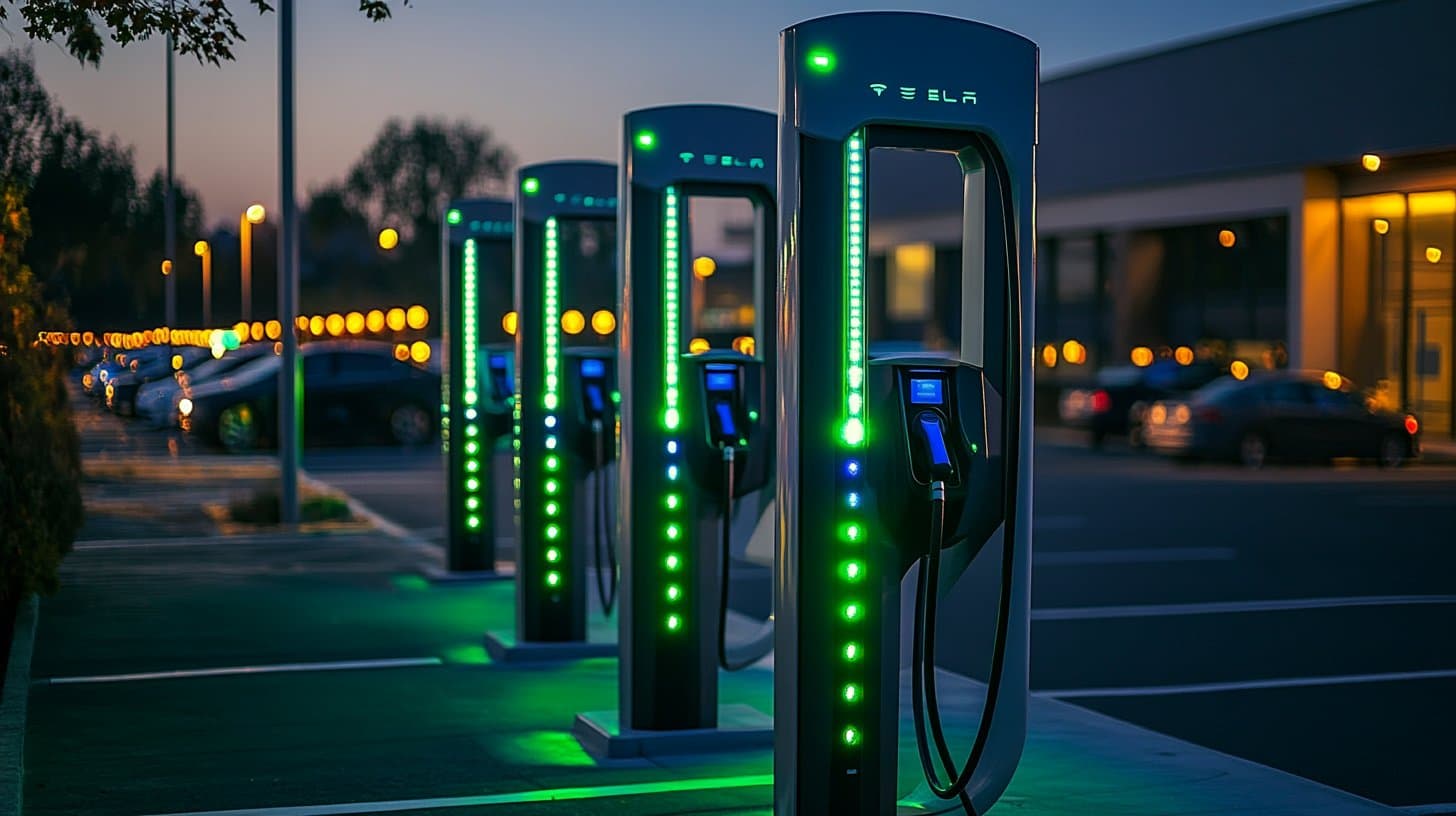
Nothing kills EV enthusiasm faster than pulling into a charging station and finding broken equipment, occupied stalls with no queue management, or speeds that don't match what was advertised. After spending hundreds of hours testing public charging networks across the country in 2025 and early 2026, we're grading every major network on what actually matters: reliability, speed, coverage, and user experience. No marketing spin, no press releases — just real-world performance from real charging sessions.
How We Grade: The Methodology
Every network is scored on four weighted criteria that reflect what drivers actually care about when they need to charge:
Reliability (40% of grade): The single most important factor. Does the charger work when you pull up? Is the session uninterrupted? Do you get the advertised speed? We define reliability as the percentage of sessions that complete successfully without requiring a restart, a different stall, or abandoning the station entirely. A charger that works 70% of the time is functionally useless for road-trip planning.
Speed (25% of grade): Maximum rated power matters less than sustained real-world speeds. A charger rated at 350 kW that drops to 50 kW after five minutes is worse than a consistent 150 kW unit. We measure average power delivered over a 20–80% charge session.
Coverage (20% of grade): Station density along major highways, presence in urban areas, and accessibility in rural corridors. We also factor in the average number of stalls per location — a single-stall station in the middle of nowhere isn't helpful if it's occupied.
User Experience (15% of grade): App quality, payment ease, station cleanliness, lighting, pull-through stall design, cable management, and customer support responsiveness. These factors don't affect whether the charger works, but they determine whether the experience is pleasant or miserable.
Tesla Supercharger — Grade: A
It's not even close. Tesla's Supercharger network remains the gold standard for public EV charging in 2026, and the gap between Supercharger and every other network has actually widened over the past year despite Tesla opening the network to non-Tesla vehicles via NACS adoption.
Reliability: A+ (99% uptime). In our testing, 99 out of 100 Supercharger sessions completed without any issues. We encountered exactly two failures across hundreds of sessions — one was a single stall at a 12-stall location (we moved one spot over), and the other resolved after unplugging and reconnecting. This level of reliability is what every other network should aspire to, and it's what makes Tesla owners confident enough to road-trip without range anxiety.
Speed: A (250–350 kW). V4 Superchargers are now widespread, delivering up to 350 kW to compatible vehicles and consistently sustaining high power curves. Even V3 stations at 250 kW deliver strong real-world speeds. Tesla's battery preconditioning — which warms the battery while you're navigating to a Supercharger — ensures you arrive at optimal charging temperature. This integration between vehicle and charger is something no other network can replicate at scale.
Coverage: A (25,000+ locations in North America). With over 25,000 Supercharger locations and growing, Tesla has the densest fast-charging network on the continent. Stations are strategically placed along highways, in urban centers, and increasingly in smaller towns. The average Supercharger location has 8–12 stalls, meaning you rarely encounter a full station.
User Experience: A. For Tesla owners, the experience is seamless — pull in, plug in, charging starts automatically. No app, no credit card, no RFID card. For non-Tesla NACS vehicles, the experience is slightly less polished (you need the Tesla app), but still far smoother than competing networks. Stations are generally well-lit, clean, and located near amenities.
The only knock on Supercharger is pricing, which has crept up to $0.40–0.50/kWh at peak times in some markets. But when the alternative is a broken charger at a competitor's station, paying a premium for reliability is a bargain.
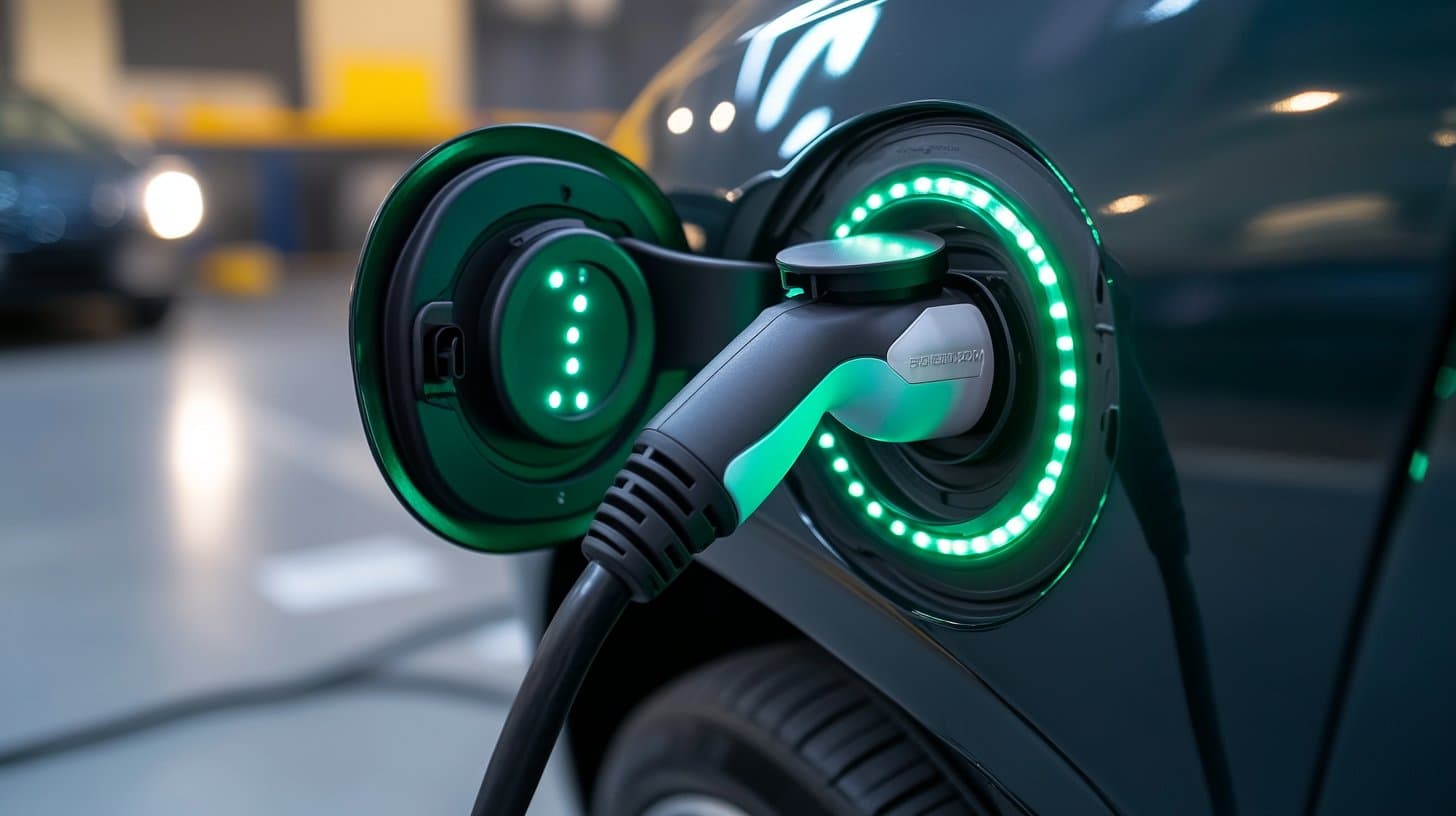
Electrify America — Grade: B−
Electrify America is the network that should be Tesla's closest competitor. Backed by Volkswagen Group funding (born from the diesel emissions settlement), it has the capital, the hardware, and the station count to challenge Supercharger. The problem is execution.
Reliability: C+ (78% success rate). This is Electrify America's Achilles' heel. In our testing, roughly one in five sessions had some kind of issue: a charger that wouldn't initiate, a session that dropped mid-charge, or a stall displaying an error code. Electrify America has improved significantly from its dismal 2023–2024 reliability numbers (which hovered around 60–65%), but 78% is still unacceptable for a network that wants to be taken seriously for long-distance travel. When you're at 8% battery in rural Virginia, a 22% chance of failure is terrifying.
Speed: A− (up to 350 kW when working). When an Electrify America charger is functioning properly, the speed is excellent. Their 350 kW units are among the fastest in the country, and they were early adopters of high-power hardware. The “when working” caveat is doing a lot of heavy lifting in that sentence, but credit where it's due — the speed is there.
Coverage: B+ (900+ locations). Electrify America has stations along most major interstate corridors and in many urban areas. Station density doesn't match Supercharger, but for a non-Tesla network, it's the most comprehensive DC fast charging option. Most locations have 4–8 stalls.
User Experience: B−. The app works reasonably well, and the plug-and-charge feature (when it works) is convenient. However, station maintenance varies wildly. Some locations are pristine; others have broken screens, damaged cables, and no lighting. Customer support is slow and often unhelpful. The inconsistency is the problem — you never know what you're going to get.
ChargePoint — Grade: B
ChargePoint occupies an unusual position in the charging landscape. It's the largest network by total station count in North America, but the vast majority of those stations are Level 2 (AC) chargers at workplaces, hotels, parking garages, and retail locations. Their DC fast charging presence is growing but remains a distant third behind Supercharger and Electrify America.
Reliability: B+ for Level 2, C+ for DC fast. ChargePoint's Level 2 network is generally reliable — these are simpler units with fewer failure points, and many are maintained by the property owners who host them. Their DC fast chargers, however, share similar reliability issues to Electrify America, with roughly 75–80% session success rates in our testing.
Speed: B for DC fast. ChargePoint's DC fast chargers typically max out at 62.5–200 kW, with most stations in the 62.5–125 kW range. That's adequate for daily top-ups but slow for road trips. They're deploying faster units, but the installed base skews toward lower power.
Coverage: A− for Level 2, C+ for DC fast. ChargePoint has the broadest Level 2 footprint in North America, making it excellent for destination charging at hotels and workplaces. For DC fast charging along highways, coverage is thin and inconsistent compared to Supercharger and Electrify America.
User Experience: B+. ChargePoint's app is one of the better ones in the industry, with accurate station availability, transparent pricing, and a solid user interface. The waitlist feature at busy stations is genuinely useful. Station hardware quality varies since ChargePoint sells to third-party hosts, but the software experience is consistent.
EVgo — Grade: B−
EVgo has carved out a niche as an urban-focused DC fast charging network, partnering with grocery stores, shopping centers, and parking garages to place chargers where people already spend time. It's a smart strategy for daily drivers who don't have home charging, but it means EVgo is largely irrelevant for road trips.
Reliability: B (85% success rate). EVgo's reliability has improved notably in 2025–2026. Their newer stations, particularly those co-located with GM's Ultium Charge 360 branding, perform well. Older stations remain hit-or-miss.
Speed: B (100–350 kW). EVgo's newer installations support up to 350 kW, but many older stations are capped at 100–150 kW. The mix means you need to check the app carefully before driving to a station expecting fast speeds.
Coverage: C (urban only). EVgo has no meaningful highway corridor presence. If you live in a major metro area, EVgo might be convenient for your daily routine. If you ever leave the city, you'll need a different network.
User Experience: B. The app is functional, pricing is transparent (though not cheap), and the Autocharge+ feature works well for enrolled vehicles. Station locations in retail parking lots mean there are usually restrooms and food nearby — a practical advantage over some remote highway stations.
NEVI-Funded Stations — Grade: C+
The National Electric Vehicle Infrastructure (NEVI) program is the federal government's $7.5 billion initiative to build a nationwide EV charging network along designated Alternative Fuel Corridors. The stations are being built and operated by various companies (including ChargePoint, Blink, and others), but they must meet federal minimum standards: at least four 150 kW DC fast charging ports per station, spaced no more than 50 miles apart along interstate highways.
Reliability: C (70–75%). This is the growing pain of a new program. Many NEVI stations have been online for less than a year, and the operators are still working through equipment issues, software bugs, and maintenance protocols. The federal minimum standards don't include reliability requirements beyond uptime targets that haven't been rigorously enforced yet.
Speed: B (150 kW minimum). The 150 kW floor is a good baseline, and some NEVI stations exceed it significantly. However, 150 kW feels increasingly slow as vehicles capable of 250–350 kW become more common. The minimum standard may need to be revised upward.
Coverage: B− (growing rapidly). NEVI stations are appearing across all 50 states, with particular emphasis on filling gaps in rural and underserved areas where private companies haven't built stations. This is the program's greatest strength — it's putting chargers where the market alone wouldn't justify them.
User Experience: C. Highly variable. Some NEVI stations are well-designed with canopies, lighting, and clear signage. Others are bare-minimum installations in gas station parking lots with no amenities. There's no consistent branding or user experience standard across operators, making it hard for drivers to know what to expect.
Tips for Reliable Charging on the Road
Regardless of which network you use, these strategies will minimize frustration and maximize charging success:
Always have a backup station. Before every road trip, identify at least two charging stops at each planned stop. If your primary station is down, you need an alternative within a reasonable detour. Use our charging station finder to map both options.
Check real-time status before driving. Most network apps show station availability and whether chargers are online. Check before you commit to a 20-mile detour. PlugShare aggregates user reports across networks and is invaluable for real-time intelligence.
Precondition your battery. If your vehicle supports it, use the navigation system to route to the charger so the battery preconditioning activates. Arriving with a warm battery (or cooled battery in summer) can add 20–30% to your charging speed. Our home charging guide covers battery health practices in detail.
Charge to 80%, not 100%. Charging from 80% to 100% takes nearly as long as charging from 10% to 80% on most EVs. Unless you absolutely need the range, stop at 80% and move on. You'll spend less time at the station and keep your battery healthier long-term.
Carry a CCS-to-NACS adapter (or vice versa). As the industry transitions to NACS, some stations still have CCS connectors. Having the right adapter ensures you're never locked out of a working charger. Many vehicles now ship with adapters included, but verify before you leave.
The Bottom Line
Tesla's Supercharger network is the undisputed gold standard for public EV charging in 2026. Its 99% reliability, fast speeds, massive coverage, and seamless user experience set a bar that no competitor has come close to clearing. The adoption of NACS by virtually every automaker means the Supercharger network is no longer just for Tesla owners — it's becoming the universal charging backbone of North America.
Electrify America has the potential to be a strong second but continues to be held back by reliability issues that should have been solved years ago. ChargePoint excels at Level 2 destination charging and has a great app, but its DC fast charging network needs significant expansion. EVgo is a solid urban option but irrelevant for road trips. NEVI is a promising government investment that needs time to mature.
The good news? The overall charging landscape is meaningfully better than it was two years ago. More stations, faster speeds, and the industry-wide convergence on NACS are making public charging less stressful for everyone. The bad news? If you're not charging on Supercharger, you still need a backup plan. That's the reality of EV charging in 2026.
The future of charging is also moving into your home and even back to the grid. Learn how vehicle-to-grid technology lets your EV power your home. Ready to find the right EV? Browse current EV deals or explore the full brand lineup.