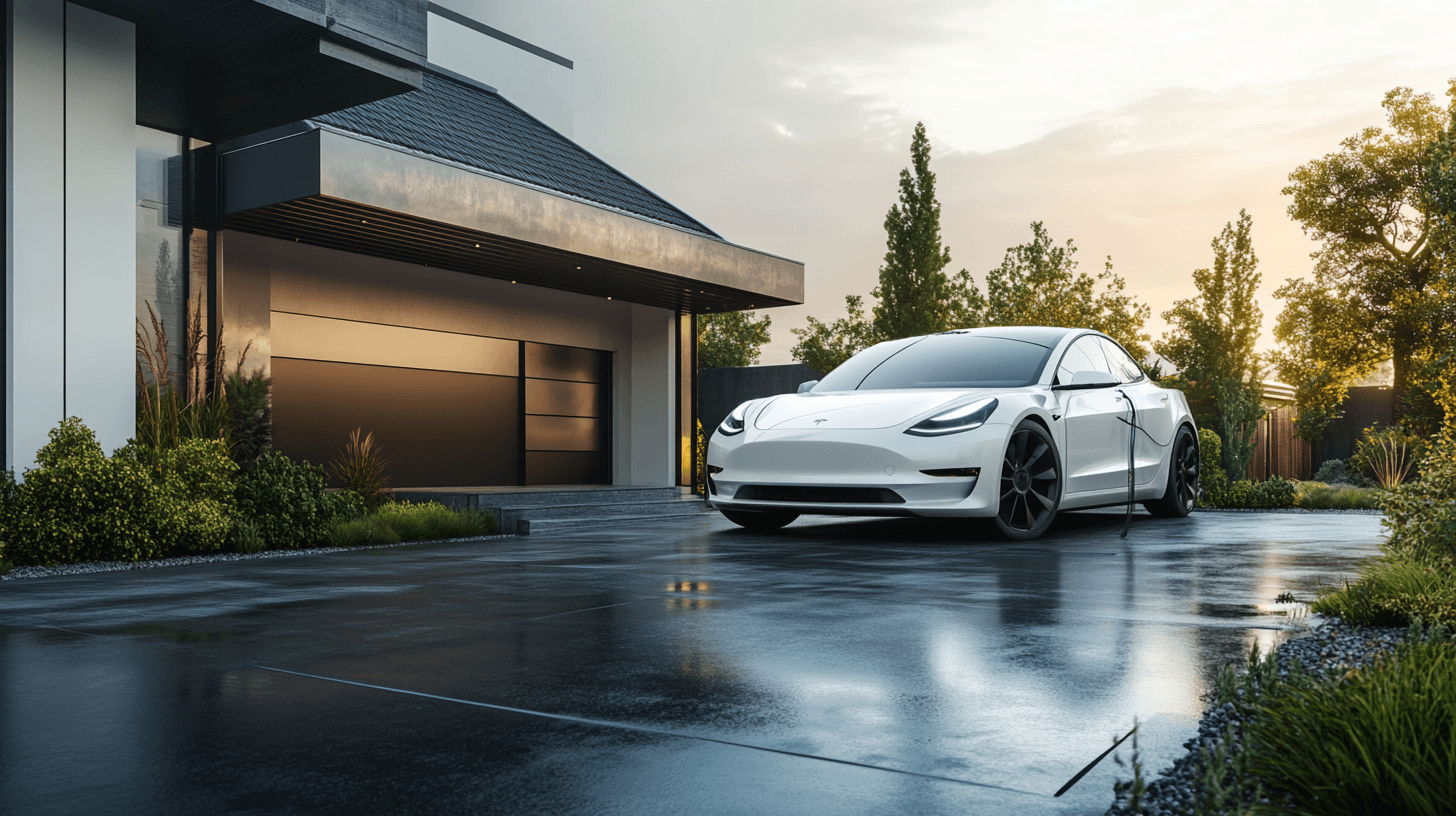
Electric vehicles cost more to insure than comparable gas-powered cars — often 15% to 30% more. The reasons are straightforward: higher purchase prices, expensive battery and component repairs, and fewer qualified repair shops. But there are real strategies to bring those premiums down. Here's what every EV owner needs to know.
Why EV Insurance Costs More
- •Higher vehicle value — EVs have a higher MSRP than equivalent gas models. A higher replacement cost means higher comprehensive and collision premiums.
- •Expensive battery repairs — The battery pack is 30-50% of the vehicle's value. Even minor battery damage from an undercarriage impact can result in a total loss. Replacing a battery costs $10,000 - $25,000+.
- •Specialized repair requirements — EV repairs require certified technicians, specialized tools, and high-voltage safety protocols. Fewer shops can do the work, and labor rates are higher.
- •Parts availability — OEM parts for some EVs (particularly newer models) have longer lead times. Extended rental car coverage adds to claim costs.
- •Total loss rates — Insurance data shows EVs are totaled at higher rates than gas cars because even moderate damage to the battery structure or integrated electronics can exceed the repair threshold.
How Much More Does EV Insurance Cost?
| Vehicle | Avg Annual Premium | vs Gas Equivalent |
|---|---|---|
| Tesla Model Y | $2,700 - $3,200 | +25% vs similar crossover |
| Tesla Model 3 | $2,400 - $2,900 | +20% vs comparable sedan |
| Hyundai Ioniq 5 | $2,100 - $2,500 | +15% vs Tucson |
| Ford Mustang Mach-E | $2,300 - $2,800 | +18% vs Edge |
| Chevrolet Equinox EV | $1,800 - $2,200 | +12% vs Equinox gas |
| Rivian R1S | $3,500 - $4,200 | +30% vs luxury SUV |
*Premiums vary by location, driving record, and coverage levels. These are national averages for full coverage.
Factors That Affect Your EV Insurance Rate
- •Vehicle make and model — Teslas are the most expensive EVs to insure due to high repair costs and proprietary parts. More mainstream EVs from Hyundai, Chevrolet, and Ford tend to be cheaper.
- •Your location — States with higher repair costs, more traffic, and more uninsured drivers (Florida, Michigan, Louisiana) have higher premiums across the board.
- •Annual mileage — EV owners who charge at home and have shorter commutes may qualify for low-mileage discounts. Some insurers offer per-mile pricing.
- •Safety features — EVs often come loaded with ADAS (Advanced Driver-Assistance Systems). Features like automatic emergency braking, lane-keeping assist, and blind-spot monitoring can reduce premiums.
- •Credit score — In states where it's permitted, credit-based insurance scores significantly affect your rate. Higher credit = lower premiums.
- •Charging location — Parking in a garage (especially for overnight charging) is viewed as lower risk than street parking. Some insurers ask about this.
EV-Specific Coverage to Consider
Battery Coverage
Some insurers now offer specific battery damage coverage or include it in their comprehensive plans. Since the battery is the most expensive component, make sure your policy covers battery replacement — not just repair. Check if your policy has a battery exclusion clause.
Charging Equipment Coverage
Your home Level 2 charger ($500 - $2,000 installed) may or may not be covered under your homeowner's policy. Some auto insurers offer add-on coverage for home charging equipment damage, including electrical surge protection.
Gap Insurance
Especially important for EVs. If your car is totaled, gap insurance covers the difference between what you owe on the loan and the car's current market value. Given EV depreciation rates on some models, this gap can be significant in the first 2-3 years.
Extended Rental Coverage
EV repairs take longer due to parts availability and specialized labor requirements. Standard rental coverage of 30 days may not be enough. Consider extending to 45-60 days if your insurer offers it.
10 Ways to Lower Your EV Insurance Costs
- 1.Shop around aggressively — EV insurance pricing varies wildly between companies. Get quotes from at least 5 insurers. Some specialize in EVs and offer better rates.
- 2.Bundle home and auto — Multi-policy discounts of 10-25% are common and can offset the EV premium increase.
- 3.Increase your deductible — Raising your collision deductible from $500 to $1,000 can reduce premiums by 15-20%. Only do this if you have the savings to cover the higher deductible.
- 4.Ask about EV-specific discounts — Some insurers offer green vehicle discounts. Progressive, GEICO, and State Farm have all offered EV-related discounts at various times.
- 5.Use manufacturer insurance — Tesla Insurance (available in most states) and others offer competitive rates because they use real-time driving data instead of traditional risk factors.
- 6.Maintain a clean driving record — This matters more for EVs because your base rate is already higher. One at-fault accident can push EV premiums well above $4,000/year.
- 7.Consider usage-based insurance — Pay-per-mile programs work well for EV owners who drive less. Metromile and similar programs charge a base rate plus cents per mile driven.
- 8.Park in a garage — Reduces theft and weather damage risk. Let your insurer know — many offer discounts for garage parking.
- 9.Take a defensive driving course — Many states allow a 5-10% discount for completing an approved course. These savings last 2-3 years per course.
- 10.Review coverage annually — As your EV depreciates, your comprehensive and collision coverage should be adjusted. You may be over-insured after the first few years.
What Happens After an EV Accident?
EV accident claims differ from gas car claims in several important ways:
- •Battery inspection is mandatory — Even in minor collisions, the battery pack must be inspected for damage. This adds time and cost to every claim.
- •Higher total loss rates — If the battery is compromised, the repair cost can exceed the vehicle's value. Some EVs with repairable body damage are still totaled because of suspected battery issues.
- •Certified shop requirement — Your insurer may require repairs at a manufacturer-certified collision center. This limits your choices but ensures proper high-voltage safety procedures.
- •Longer repair times — Average EV repair time is 20-30% longer than gas vehicles due to parts sourcing and specialized labor. Plan for extended rental needs.
Final Thoughts
EV insurance costs more, but it's not a fixed penalty. The premium difference narrows when you shop strategically, take advantage of available discounts, and choose the right coverage levels. The key is not to accept the first quote — EV pricing is where insurers differ the most.
Factor insurance into your total EV ownership cost calculation alongside fuel savings, maintenance savings, and any available tax credits. For most owners, the higher insurance is more than offset by the savings in fuel and maintenance over time.