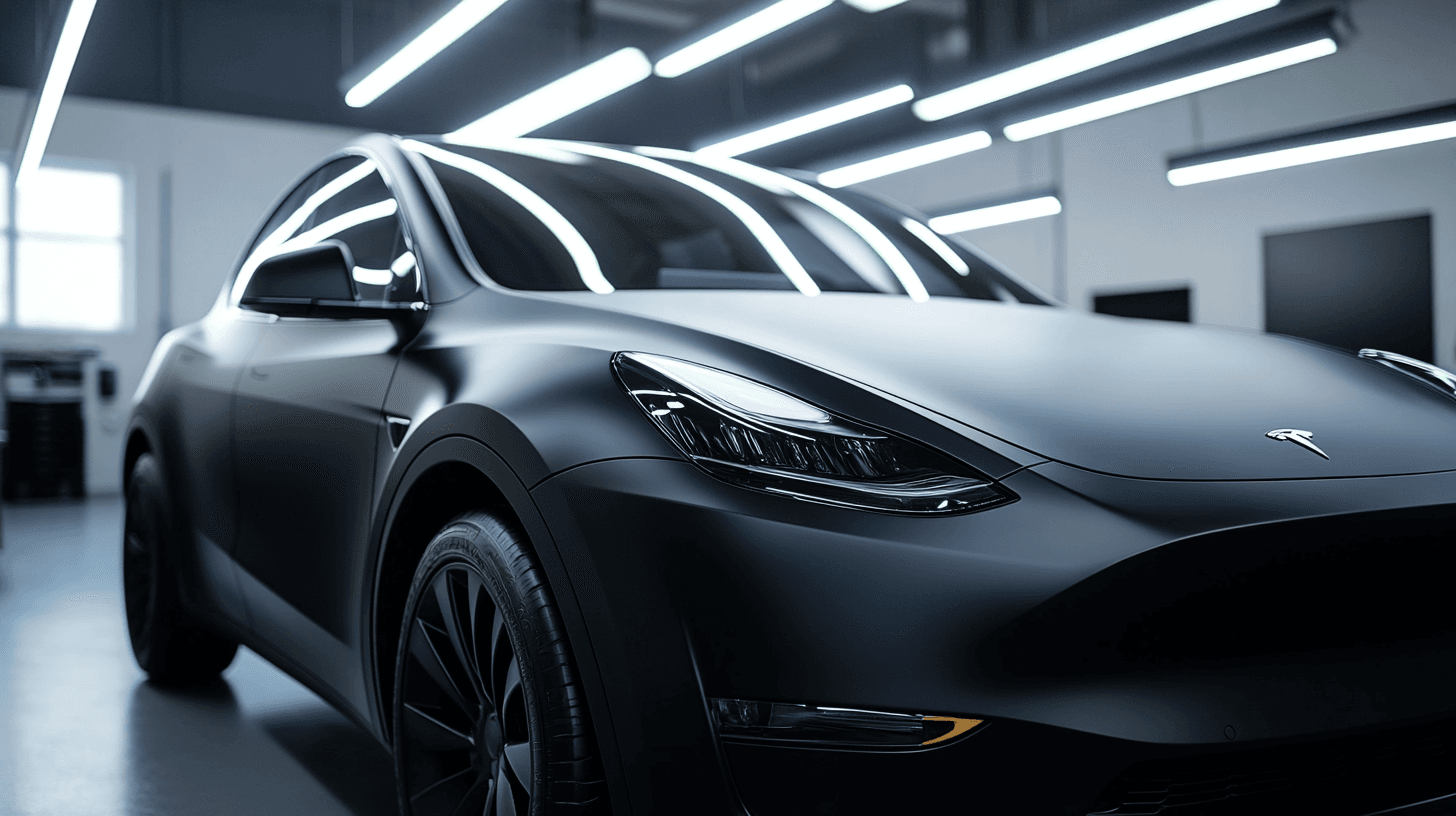
Electric vehicles represent a significant investment — and their paint is one of the first things people notice. Whether you drive a Tesla, Rivian, BMW iX, or any other EV, protecting your paint goes beyond aesthetics. It preserves resale value, reduces long-term maintenance costs, and keeps your car looking factory-fresh for years. Here's everything you need to know.
Why EV Paint Needs Special Attention
EV paint faces the same environmental threats as any vehicle — UV rays, bird droppings, tree sap, road salt, and rock chips. But there are a few factors specific to electric vehicles that make paint protection even more important:
- 1.Higher Purchase Price — EVs typically cost more than their gas counterparts, making every scratch or chip a bigger hit to your investment.
- 2.Resale Value Sensitivity — The used EV market is maturing quickly. Buyers scrutinize paint condition closely because repainting an EV requires specialized shops familiar with the vehicle's electronics and sensors.
- 3.Thinner Factory Paint — Some manufacturers, notably Tesla, have been known to apply thinner paint layers compared to traditional automakers. Thinner paint is more susceptible to swirl marks, chips, and UV damage.
- 4.Aerodynamic Design — The smooth, flush body panels that help EVs achieve better range also make imperfections more visible. There are fewer body lines to hide swirl marks or scratches.
Paint Protection Options Ranked
There are several levels of paint protection available, each with different cost, durability, and effectiveness. Here's how they compare for EV owners:
1. Paint Protection Film (PPF) — The Gold Standard
What It Does
PPF is a clear, thick urethane film applied to painted surfaces. It physically absorbs rock chips, scratches, and bug splatter. Premium films like XPEL Ultimate Plus and 3M Scotchgard Pro even self-heal minor scratches with heat.
Best For
- • High-impact areas: hood, fenders, bumper, mirror caps
- • Highway commuters exposed to road debris
- • Owners who plan to keep or resell the vehicle
Cost Range
- Partial front: $800 – $2,000
- Full front: $1,500 – $3,500
- Full body: $4,000 – $8,000+
Durability
5 – 10 years with proper care
2. Ceramic Coating — Long-Term Shine and Protection
What It Does
Ceramic coating is a liquid polymer that chemically bonds to your paint, creating a hydrophobic (water-repelling) layer. It protects against UV damage, chemical stains, bird droppings, and light scratches while giving the paint an intense gloss.
Best For
- • Owners who want easier washing and maintenance
- • Daily drivers parked outdoors
- • Pairing with PPF for maximum protection
Cost Range
- Consumer-grade (DIY): $50 – $150
- Professional (1-3 year): $500 – $1,200
- Professional (5+ year): $1,000 – $2,500
Durability
2 – 7+ years depending on product and maintenance
3. Vinyl Wrap — Style and Surface Protection
What It Does
A full or partial vinyl wrap covers the factory paint with a colored or textured film. While primarily a cosmetic choice, wraps also shield the original paint from UV exposure, minor abrasions, and chemical contaminants.
Best For
- • Owners who want a color change without repainting
- • Protecting factory paint for resale
- • Matte, satin, or textured finishes
Cost Range
- Partial wrap: $500 – $2,000
- Full wrap: $2,500 – $6,000+
Durability
3 – 5 years depending on material and conditions
4. Wax and Sealants — Basic Maintenance Protection
What It Does
Traditional carnauba wax or synthetic paint sealants add a sacrificial layer on top of your paint. They provide a temporary barrier against contaminants and add gloss.
Best For
- • Budget-conscious owners
- • Supplementing ceramic coating between details
- • Garage-kept vehicles with low exposure
Cost Range
- DIY wax: $15 – $50
- Professional sealant: $100 – $300
Durability
1 – 6 months
The Best Combination: PPF + Ceramic Coating
For EV owners who want the highest level of protection, the most effective approach is combining PPF on high-impact areas with ceramic coating over the entire vehicle — including on top of the PPF itself. This gives you:
- +Physical impact protection from PPF on the hood, bumper, fenders, and mirrors
- +Chemical and UV resistance from ceramic coating across all panels
- +Hydrophobic self-cleaning effect that makes washing faster and reduces water spots
- +Uniform gloss across the entire vehicle — the ceramic ties the PPF and bare paint areas together visually
Typical cost for partial PPF + full ceramic: $2,500 – $5,000. Full body PPF + ceramic: $5,000 – $10,000+.
EV-Specific Washing Tips
How you wash your EV matters just as much as what protection you apply. Improper washing is the leading cause of swirl marks and micro-scratches. Follow these practices:
- 1.Use the two-bucket method — One bucket with soap, one with clean rinse water. This prevents you from rubbing dirt back into the paint.
- 2.Avoid automatic car washes — Spinning brushes cause swirl marks. If you must use one, choose a touchless option.
- 3.Dry with microfiber towels — Use clean, high-quality microfiber drying towels. Air drying leaves water spots, especially on dark-colored EVs.
- 4.Wash in the shade — Direct sunlight causes soap to dry on the surface before you can rinse it, leaving residue and potential etching.
- 5.Clean charging port area regularly — This area collects dust and grime that can transfer to hands and the interior. A quick wipe during each wash keeps it clean.
When to Get Paint Protection on Your EV
Timing matters. The ideal window for applying PPF or ceramic coating is:
- •Brand new (best) — Apply within the first few weeks of ownership. The paint hasn't accumulated swirl marks or contamination yet, so minimal or no paint correction is needed. This saves $300 – $1,000 in prep work.
- •Within the first year (good) — Still manageable, but you'll likely need some paint correction to remove accumulated swirl marks before coating or film.
- •Any time (still worth it) — Even on an older vehicle, paint correction followed by ceramic coating or PPF will dramatically improve the appearance and protect what's left of the original paint.
How to Choose an Installer for Your EV
Not all detailing shops are equipped to work on electric vehicles. When choosing a paint protection installer for your EV, look for:
- •EV experience — Ask if they've worked on your specific make and model. EVs have unique panel gaps, sensor placements, and trim pieces.
- •Certifications — Look for manufacturer certifications from brands like XPEL, Ceramic Pro, or Gtechniq.
- •Controlled environment — The shop should have a climate-controlled, dust-free workspace. Applying PPF or ceramic in an open garage leads to poor results.
- •Written warranty — Reputable installers back their work with warranties that cover defects in application.
- •Portfolio of work — Ask for before-and-after photos, especially on EVs similar to yours.
Final Thoughts
Your EV's paint is one of the most visible and value-affecting parts of the vehicle. Protecting it early with the right combination of PPF, ceramic coating, or even a quality wrap pays off in easier maintenance, better appearance, and higher resale value.
For most EV owners, a professional ceramic coating is the minimum worthwhile investment. For those wanting complete protection, adding PPF on the front end eliminates the biggest threat — rock chips — while ceramic handles everything else.
Whatever you choose, the best time to protect your paint is before the damage happens.