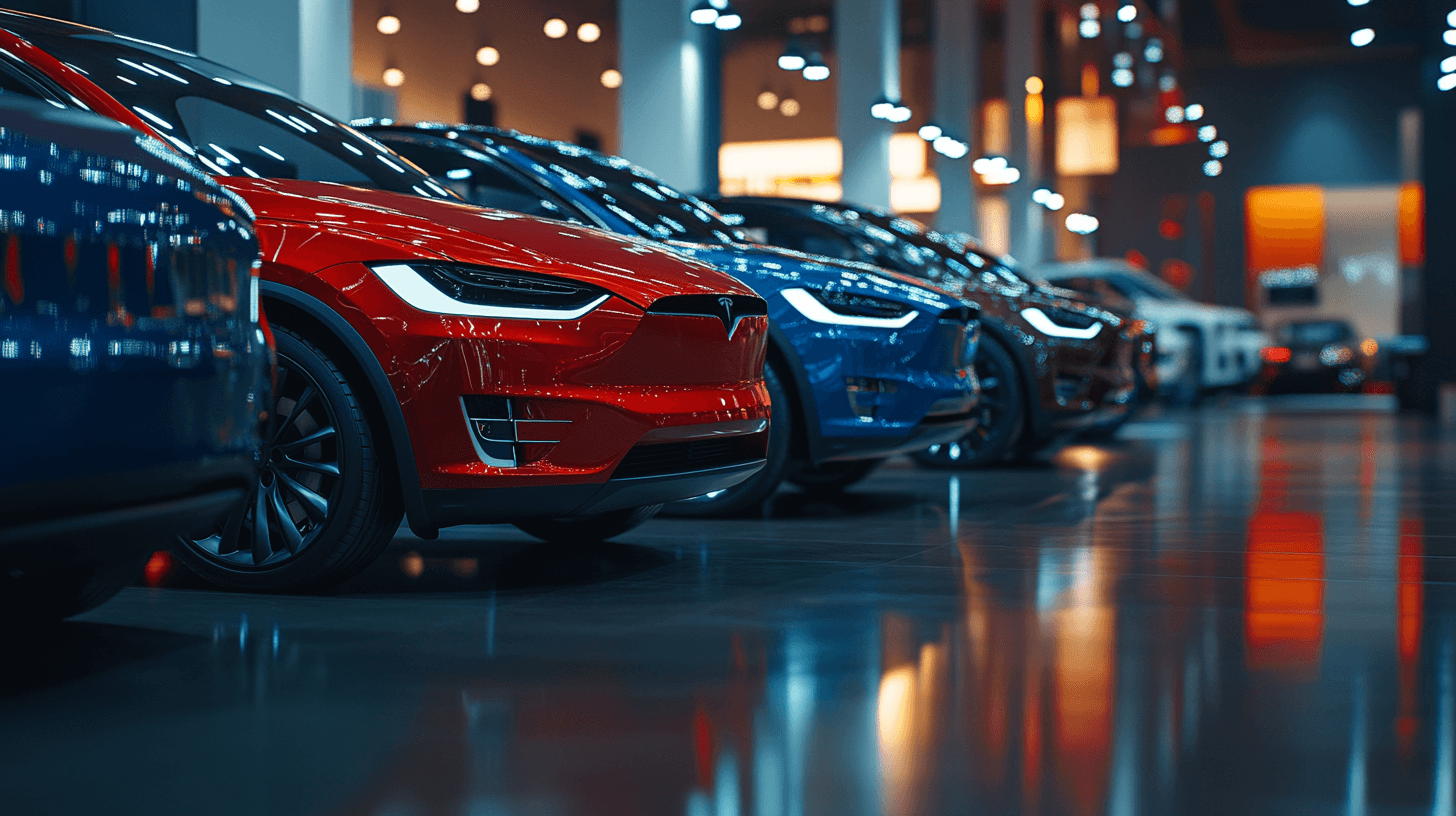
One of the biggest concerns for EV buyers is depreciation. Early electric vehicles lost value rapidly, but the market has shifted significantly. Some EVs now hold their value as well as — or better than — their gas-powered counterparts. Here's which ones are worth your money in 2026 and what drives EV resale value.
How EV Depreciation Has Changed
In the early days of mass-market EVs, depreciation was brutal. First-generation Nissan Leafs and early Chevy Bolts lost 50-60% of their value in three years. Buyers feared battery degradation, limited range, and rapidly improving newer models making theirs obsolete.
By 2026, the picture is different. Battery technology has matured, charging infrastructure is widespread, and consumer confidence in EVs has grown. The used EV market is now established with real demand, not just early adopters hunting for deals.
Top EVs for Resale Value in 2026
1. Tesla Model Y
3-Year Retention: ~65-70%
Why It Holds Value:
- • Best-selling EV globally with massive demand
- • Supercharger network remains a major advantage
- • Over-the-air updates keep older models current
- • Strong brand recognition in used market
The Model Y consistently ranks among the top vehicles of any type for resale value. High demand and limited discounting on new models keep used prices firm.
2. Tesla Model 3
3-Year Retention: ~60-65%
Why It Holds Value:
- • The Highland refresh added significant appeal
- • Lower entry price creates broader used market demand
- • Proven reliability track record
- • Supercharger access
The Model 3 benefits from being the most recognized EV on the road. Used buyers feel comfortable with the known quantity.
3. Hyundai Ioniq 5
3-Year Retention: ~58-63%
Why It Holds Value:
- • 800V architecture enables ultra-fast charging
- • Distinctive retro-futuristic design ages well
- • Vehicle-to-load (V2L) feature adds utility
- • Strong reliability ratings
The Ioniq 5's unique styling and fast-charging capability make it highly desirable on the used market. It doesn't look like anything else on the road.
4. Rivian R1S
3-Year Retention: ~60-65%
Why It Holds Value:
- • Limited production keeps supply low
- • Only premium electric 3-row SUV available
- • Adventure-oriented brand loyalty
- • Off-road capability unique in EV space
The R1S fills a niche no other EV covers — a capable, family-sized electric SUV. Limited availability and strong demand keep values high.
5. Kia EV6
3-Year Retention: ~55-60%
Why It Holds Value:
- • Shares Ioniq 5's 800V platform
- • GT variant offers performance credibility
- • Aggressive styling attracts younger buyers
- • Competitive pricing when new supports used values
The EV6 benefits from the same excellent platform as the Ioniq 5 with sportier styling that appeals to a different buyer demographic.
EVs That Depreciate the Fastest
Not all EVs hold value equally. Some categories tend to depreciate more rapidly:
- 1.Luxury EVs with high MSRPs — Vehicles like the Mercedes EQS and BMW iX lose value quickly because used buyers are price-sensitive. A $100K+ EV faces steep percentage drops even if the dollar amount is similar to a cheaper model.
- 2.First-generation models — The Nissan Ariya, VW ID.4 first edition, and similar early entries depreciate faster as newer versions with better range and features arrive.
- 3.EVs with limited charging networks — Vehicles that relied solely on CCS before the NACS standard adoption may see lower demand in the used market.
- 4.Heavily discounted new models — When manufacturers slash new prices (as Tesla did in 2023), used values drop in lockstep. Buyers won't pay used prices close to new.
What Factors Affect EV Resale Value?
- •Battery Health — This is the single biggest factor. An EV with 95% battery health at 3 years commands significantly more than one at 85%. Battery degradation data from services like Recurrent is now used by dealers and buyers alike.
- •Range When New — EVs with 300+ miles of range hold value better than those under 250 miles. Range anxiety still influences used buyers.
- •Charging Speed — Vehicles with 800V architecture and fast DC charging (Ioniq 5, EV6, Porsche Taycan) are more desirable.
- •Paint and Body Condition — Just like gas cars, exterior condition matters. EVs with proper paint protection (ceramic coating, PPF) sell for more because repainting an EV is expensive and requires specialized shops.
- •Software and Feature Access — Some manufacturers lock features behind subscriptions. Vehicles with permanently unlocked features (like Tesla's Full Self-Driving if purchased outright) transfer value to the next owner.
- •Tax Credit Eligibility — Used EVs that qualify for the federal used EV tax credit ($4,000) are more attractive to buyers, effectively boosting their market value.
How to Maximize Your EV's Resale Value
- 1.Protect the battery — Avoid frequent DC fast charging when possible, keep the charge between 20-80% for daily use, and avoid leaving the battery at 0% or 100% for extended periods.
- 2.Protect the paint early — Apply ceramic coating or PPF within the first few weeks of ownership. This preserves the exterior and signals to future buyers that the car was well maintained.
- 3.Keep service records — Even though EVs need less maintenance, documented tire rotations, brake fluid changes, and cabin filter replacements demonstrate care.
- 4.Maintain the interior — Vegan leather seats, common in many EVs, can crack or stain without care. Regular cleaning and conditioning preserves the cabin.
- 5.Time your sale — Sell before the next model year refresh if your manufacturer tends to make significant changes. The announcement of a new version immediately impacts current model values.
Final Thoughts
EV resale values have stabilized significantly compared to just a few years ago. The best-performing models — Tesla Model Y, Ioniq 5, Rivian R1S, and others with strong brand loyalty, good range, and fast charging — now depreciate at rates comparable to popular gas vehicles.
The key takeaway: buying an EV is no longer a guaranteed path to rapid depreciation. Choose a model with strong demand, maintain it properly, and protect the battery and exterior — and your EV will hold its value well when it's time to sell or trade in.