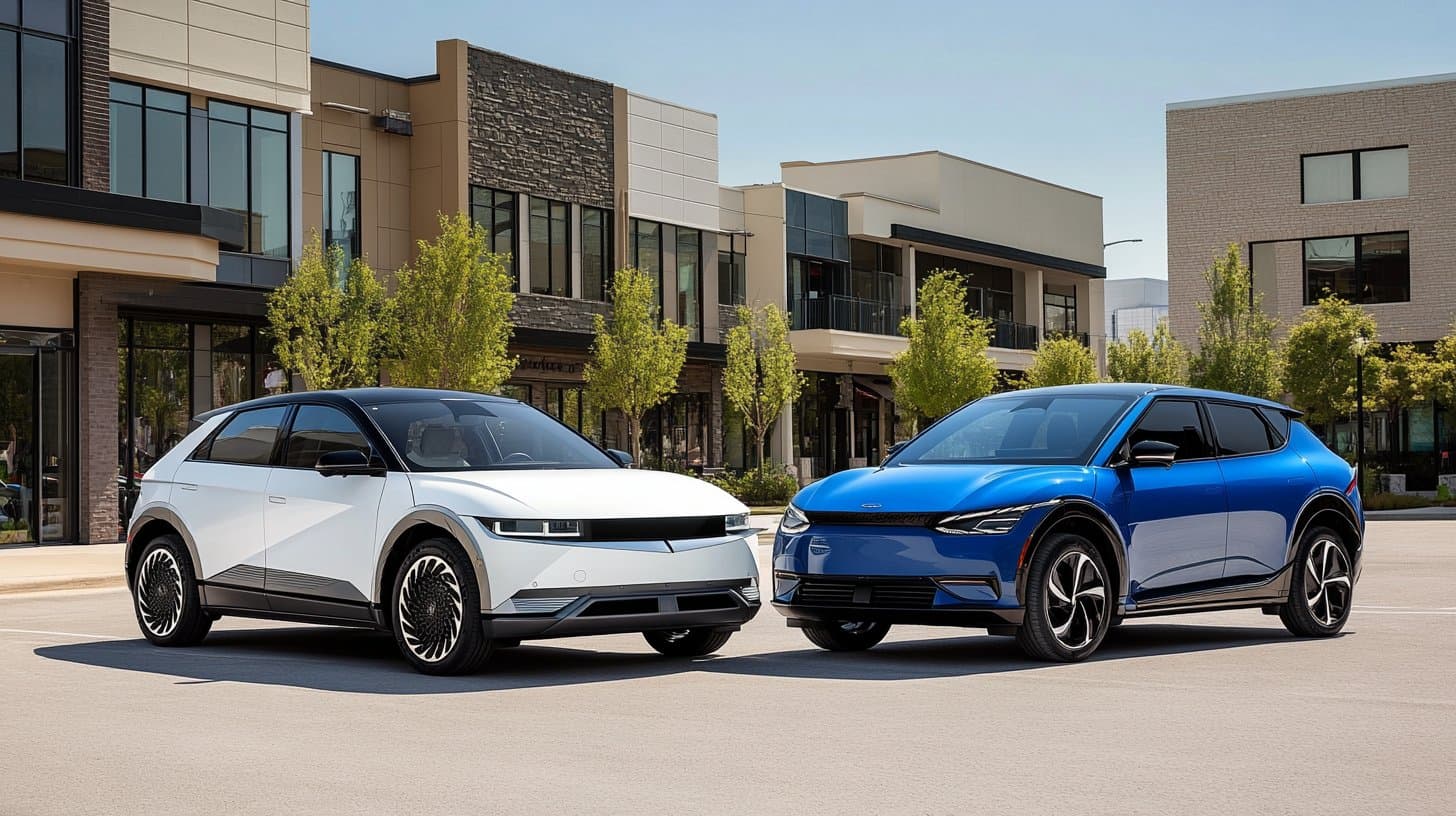
Two of the world's largest automakers have finally brought serious electric SUVs to market — and they're both surprisingly affordable. The Honda Prologue and Toyota bZ4X represent a new wave of mainstream EVs designed to win over buyers who have been waiting for the right combination of price, range, and practicality. But which one delivers the most value for your dollar? We break down every detail so you can make the smartest choice.
Honda Prologue Overview
The Honda Prologue is Honda's first dedicated battery-electric SUV for the North American market. Built on General Motors' Ultium platform, the Prologue benefits from GM's massive battery engineering investment while wearing Honda's signature clean, understated design language. The result is a midsize SUV that feels immediately familiar to Honda loyalists but packs a genuinely modern EV powertrain underneath.
With a best price of approximately $39,500 after dealer incentives and an EPA-estimated range of 296 miles, the Prologue slots in as one of the best value propositions in the electric SUV segment. Available in both front-wheel-drive and all-wheel-drive configurations, it offers flexibility for different climates and driving preferences. The cabin is spacious, quiet, and loaded with Honda's latest infotainment tech, including a crisp 11.3-inch touchscreen with wireless Apple CarPlay and Android Auto.
Toyota bZ4X Overview
The Toyota bZ4X is Toyota's answer to the growing demand for affordable electric crossovers. Co-developed with Subaru on the e-TNGA platform, the bZ4X showcases Toyota's cautious but calculated entry into the BEV space. Its bold, angular styling is a deliberate departure from Toyota's traditionally conservative design — a signal that this is something genuinely new from the world's largest automaker.
The bZ4X starts at a best price of around $33,500 after current discounts (which include an impressive 9.5% off MSRP), making it one of the most aggressively priced electric SUVs available today. EPA-estimated range sits at 252 miles for the front-wheel-drive model. Toyota's legendary build quality and reliability reputation carry over here, and the bZ4X also benefits from an available all-wheel-drive system with Subaru-sourced technology.
Price Comparison: Who Gives You More for Less?
Both vehicles are benefiting from significant dealer discounts as manufacturers push to hit EV sales targets. The Toyota bZ4X wins the sticker-price battle with a best price of $33,500 compared to the Prologue's $39,500 — a difference of roughly $6,000. That's a meaningful gap, especially for budget-conscious buyers making the switch from gas.
However, the Prologue's higher price buys you 44 additional miles of range, a larger interior, and access to GM's growing Ultium charging ecosystem. When you calculate the cost per mile of range, the Prologue comes in at about $133 per mile versus the bZ4X at $133 per mile — making them virtually identical in value on a range-per-dollar basis. Both vehicles may also qualify for the federal EV tax credit of up to $7,500, depending on your income and the vehicle's final assembly location, which could narrow the effective price gap significantly.
Range & Charging
Range is where the Honda Prologue pulls clearly ahead. Its 296-mile EPA rating versus the bZ4X's 252 miles means roughly 44 extra miles per charge — enough for an extra round-trip commute or a detour on a road trip without worrying about your next charging stop. For drivers with longer daily commutes or those who regularly take weekend trips, that buffer can make a real difference in day-to-day confidence.
Both SUVs support DC fast charging at up to 150 kW, which translates to a 10% to 80% charge in roughly 30 to 40 minutes at a compatible station. For home charging on a Level 2 (240V) setup, the Prologue takes about 10 hours for a full charge, while the bZ4X needs approximately 9 hours. In real-world use, both are easy overnight-charge vehicles that will greet you each morning with a full battery.
Interior & Technology
The Honda Prologue's interior is a highlight. Honda has kept things clean and intuitive with a horizontal dashboard layout, high-quality soft-touch materials, and an 11.3-inch infotainment screen that's responsive and easy to navigate. Physical controls for climate and volume remain — a welcome decision in an era of all-touchscreen interiors. The cabin feels airy thanks to a panoramic roof and generous headroom in both rows.
The Toyota bZ4X takes a more polarizing approach. The dashboard features a "top-mounted" instrument cluster that sits above the steering wheel rather than behind it, which Toyota says improves sightlines. Reactions are mixed — some drivers love the unobstructed view, while others find it distracting. The 12.3-inch touchscreen runs Toyota's latest infotainment system with wireless Apple CarPlay and Android Auto. Build quality is solid throughout, though material choices feel slightly more utilitarian compared to the Prologue's more premium ambiance.
Driving Experience
Behind the wheel, the Honda Prologue feels smoother and more refined. The Ultium platform provides a low center of gravity and well-tuned suspension that soaks up road imperfections with composure. Acceleration is linear and confident, and the cabin remains impressively quiet at highway speeds. The Prologue drives like a vehicle that cost more than it does, which is exactly what Honda intended.
The Toyota bZ4X, meanwhile, prioritizes efficiency and predictability. It's not as plush as the Prologue, but the ride is comfortable and the steering is light and easy for city driving. The AWD version with the Subaru-sourced rear motor adds a layer of stability in wet or snowy conditions. The bZ4X also features a more aggressive regenerative braking system that experienced EV drivers may prefer for one-pedal-style driving.
Ownership Costs: 5-Year Comparison
Looking beyond the purchase price, total cost of ownership paints a nuanced picture. Insurance for the bZ4X runs slightly lower — about $1,400 per year versus around $1,550 per year for the Prologue, reflecting the Toyota's lower MSRP and Toyota's historically lower claims rates. Maintenance costs are nearly identical for both, estimated at roughly $500–$600 per year, since EVs eliminate oil changes, transmission service, and most brake wear.
Resale value is where things get interesting. Honda and Toyota both have strong reputations for holding value, but the Prologue's longer range and GM platform may give it an edge in the used market. Early projections suggest the Prologue could retain about 55–58% of its value after five years, while the bZ4X is projected at 50–54%. Over five years, total ownership costs including depreciation, insurance, charging, and maintenance work out to roughly $28,000–$30,000 for the bZ4X and $30,000–$33,000 for the Prologue.
Side-by-Side Comparison
The Verdict
If your top priority is getting the lowest purchase price, the Toyota bZ4X is the clear winner. At $33,500 with deep discounts, it's one of the most accessible electric SUVs on the market, and Toyota's reliability track record gives buyers peace of mind. For city commuters, first-time EV owners, and anyone watching their budget closely, the bZ4X is an excellent entry point into electric driving.
If you want more range, a more refined driving experience, and a more premium interior, the Honda Prologue justifies its $6,000 premium. The 296-mile range eliminates most charging anxiety, the GM Ultium platform delivers a smoother ride, and the interior feels a step above its price class. For buyers who plan to keep their vehicle long-term and drive frequently, the Prologue's advantages compound over time.
Either way, both the Honda Prologue and Toyota bZ4X prove that you no longer need to spend $50,000 or more to get a genuinely competitive electric SUV. The affordable EV era is here — and it's better than most people expected.