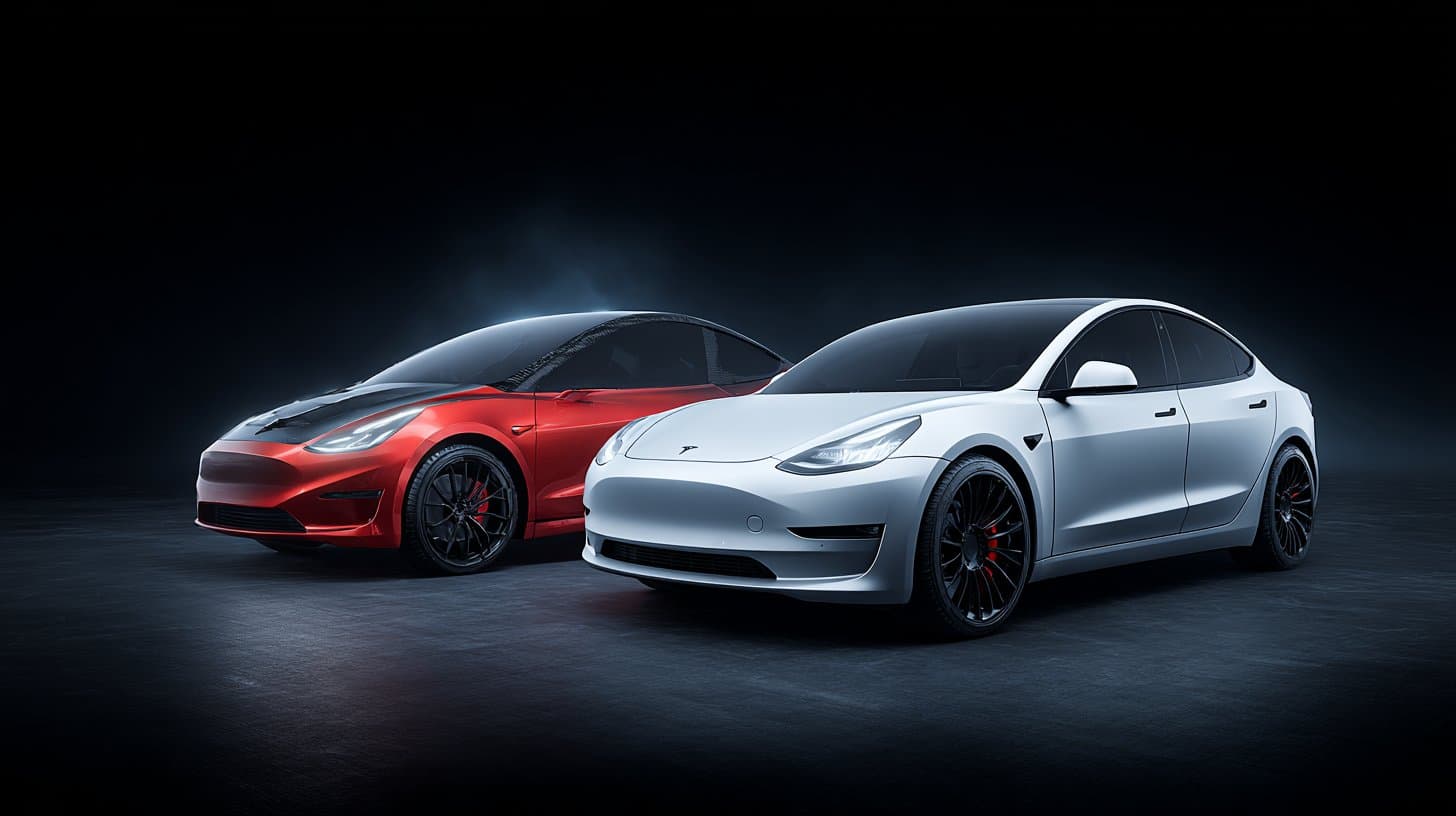
The Kia EV6 and Hyundai Ioniq 6 share the same E-GMP platform, the same 800-volt architecture, and even the same battery options — yet they feel like entirely different vehicles. One is a sporty crossover that blurs the line between hatchback and SUV. The other is an aerodynamic sedan that prioritizes range efficiency above all else. Which one deserves your driveway in 2026? Let's find out.
Price & Trims: Getting the Most for Your Money
The Hyundai Ioniq 6 enters the market at approximately $38,615 for the SE Standard Range RWD trim, making it one of the most affordable long-range EVs available. The top-tier Limited AWD with the long-range battery climbs to around $55,000, offering a full suite of luxury features including a Bose audio system, ventilated seats, and a heads-up display.
The Kia EV6 starts higher at approximately $42,600 for the Light RWD. The GT-Line trim at around $52,000 offers the best value-to-feature ratio, while the performance-focused EV6 GT reaches $56,500 with 576 horsepower and a 3.4-second 0–60 time. Despite the higher base price, Kia's standard features list is generous, with every EV6 getting a 12.3-inch dual-screen setup, wireless phone charging, and a robust driver-assistance package.
Both vehicles may qualify for the full $7,500 federal EV tax credit, and Florida buyers benefit from zero state income tax. When combining the tax credit with fuel savings of approximately $1,000–$1,400 per year versus a comparable gas sedan, both the EV6 and Ioniq 6 present compelling total-cost-of-ownership cases.
Range & Efficiency: The Ioniq 6 Advantage
This is where the Ioniq 6's aerodynamic design pays dividends. With a drag coefficient of just 0.21 Cd — one of the lowest of any production car — the Ioniq 6 SE Long Range RWD achieves up to 361 miles of EPA-estimated range. That's remarkable for a vehicle with a 77.4 kWh battery, translating to exceptional energy efficiency of roughly 4.6 miles per kWh.
The Kia EV6, with its taller crossover stance and less aerodynamic profile, tops out at around 310 miles of range with the Long Range RWD configuration and the same 77.4 kWh battery. The AWD variants of both cars reduce range by 20–30 miles. While 310 miles is still excellent, the Ioniq 6 offers roughly 50 more miles from the same battery — a meaningful difference for road trips and daily confidence.
Charging Speed: The Shared 800V Advantage
Both vehicles benefit from their shared 800-volt electrical architecture, which is the same technology found in the Porsche Taycan (at a fraction of the price). Both can charge from 10% to 80% in approximately 18 minutes on a 350 kW DC fast charger. That's faster than virtually every competitor in their price range, including Tesla.
Peak DC charging rates hit around 240 kW for both vehicles. On a road trip, a quick 18-minute stop can add roughly 200 miles of range — enough time for a bathroom break and a coffee. At home, both support Level 2 charging at up to 11 kW, delivering a full charge overnight on a 48-amp circuit. The charging experience is identical between the two, so this category is a true tie.
Head-to-Head Spec Comparison
| Spec | Kia EV6 | Hyundai Ioniq 6 |
|---|---|---|
| Starting Price | ~$42,600 | ~$38,615 |
| Max Range (EPA) | 310 miles | 361 miles |
| Battery | 77.4 kWh | 77.4 kWh |
| Architecture | 800V | 800V |
| 10–80% DC Charge | ~18 min | ~18 min |
| 0–60 mph (base) | ~7.2 sec | ~7.4 sec |
| 0–60 mph (top) | 3.4 sec (GT) | 5.1 sec (AWD) |
| Drag Coefficient | 0.28 Cd | 0.21 Cd |
| Cargo Space | 24.4 cu ft | 12.0 cu ft |
| Body Style | Crossover/Hatchback | Fastback Sedan |
| Vehicle-to-Load (V2L) | Yes (3.6 kW) | Yes (3.6 kW) |
| Warranty | 10yr/100k miles | 10yr/100k miles |
Design Philosophy: Sporty Crossover vs Aerodynamic Sedan
The Kia EV6 takes design cues from performance hatchbacks with its muscular, angular stance. The aggressive front fascia, sharp character lines, and full-width LED taillight bar give it a futuristic yet athletic presence. It sits higher than a traditional sedan, providing a commanding driving position while remaining lower than most SUVs. The EV6 draws attention on the road without being overtly flashy.
The Ioniq 6 takes the opposite approach with its streamlined, teardrop-shaped silhouette inspired by Hyundai's 2020 Prophecy concept. Pixel-style LED headlights and a full-width rear light bar create a distinctive signature, while the smooth, flowing body panels minimize turbulence. Some buyers love its retro-futuristic Porsche 911 vibes; others find it polarizing. There's no middle ground — you either love the Ioniq 6's design or you don't.
Interior & Tech: Subtle Differences
Both vehicles feature a dual 12.3-inch curved display setup for instrumentation and infotainment. The EV6 uses Kia's updated interface with wireless Apple CarPlay and Android Auto, while the Ioniq 6 uses Hyundai's Bluelink system with identical connectivity. Interior material quality is comparable, though the Ioniq 6's ambient lighting with customizable color modes creates a more lounge-like atmosphere, while the EV6's cabin feels sportier and more driver-focused.
Both vehicles include Vehicle-to-Load (V2L) functionality, allowing you to power external devices or even charge other EVs from your car's battery. This is a unique Korean EV advantage that competitors like Tesla still don't offer. Both also feature relaxation seats that recline nearly flat, heated and ventilated front seats, and comprehensive driver-assistance suites with highway driving assist level 2.
Cargo Space: The EV6 Wins Easily
This is the EV6's biggest practical advantage. With 24.4 cubic feet of cargo space behind the rear seats (expandable to over 50 cubic feet with seats folded), the EV6's crossover form factor provides genuine family-car utility. It can easily swallow strollers, suitcases, and weekly grocery runs without breaking a sweat.
The Ioniq 6's sleek sedan shape comes at a cost: just 12.0 cubic feet of trunk space. That's roughly half the EV6's capacity and comparable to a compact sedan. The fastback design means the trunk opening is also narrower. If you regularly carry large items, haul sports equipment, or need a car that doubles as a weekend adventure vehicle, the EV6 is the obvious choice. The Ioniq 6 is better suited for commuters and couples who prioritize efficiency over cargo versatility.
Best For: Matching the Car to Your Life
Kia EV6: Best for Style-Focused Drivers Who Need Space
Choose the EV6 if you want a versatile, sporty crossover that handles family duties and weekend fun equally well. The larger cargo area, higher ride height, and available GT performance trim make it the more well-rounded vehicle. It's also the pick for anyone who wants the GT's 576 hp rocket-ship acceleration.
View Kia EV6 Deals →Hyundai Ioniq 6: Best for Efficiency-Focused Commuters
Choose the Ioniq 6 if you want maximum range, the lowest price, and exceptional aerodynamic efficiency. Its 361-mile range is class-leading, its $38,615 starting price undercuts nearly every competitor, and its distinctive design turns heads wherever you go. It's the smart choice for daily commuters, rideshare drivers, and anyone who values going farther on every charge.
View Hyundai Ioniq 6 Deals →The Verdict
Both the Kia EV6 and Hyundai Ioniq 6 are outstanding electric vehicles backed by the industry's best 10-year/100,000-mile powertrain warranty. They share the same fast-charging bones but deliver distinctly different experiences. The EV6 is the practical, sporty all-rounder; the Ioniq 6 is the sleek, efficient range champion. Test drive both — your heart will know which one is right.
Find Your Perfect Korean EV
Compare pricing, incentives, and availability for both the Kia EV6 and Hyundai Ioniq 6. Or let our EV Match tool recommend the best fit based on your driving habits.