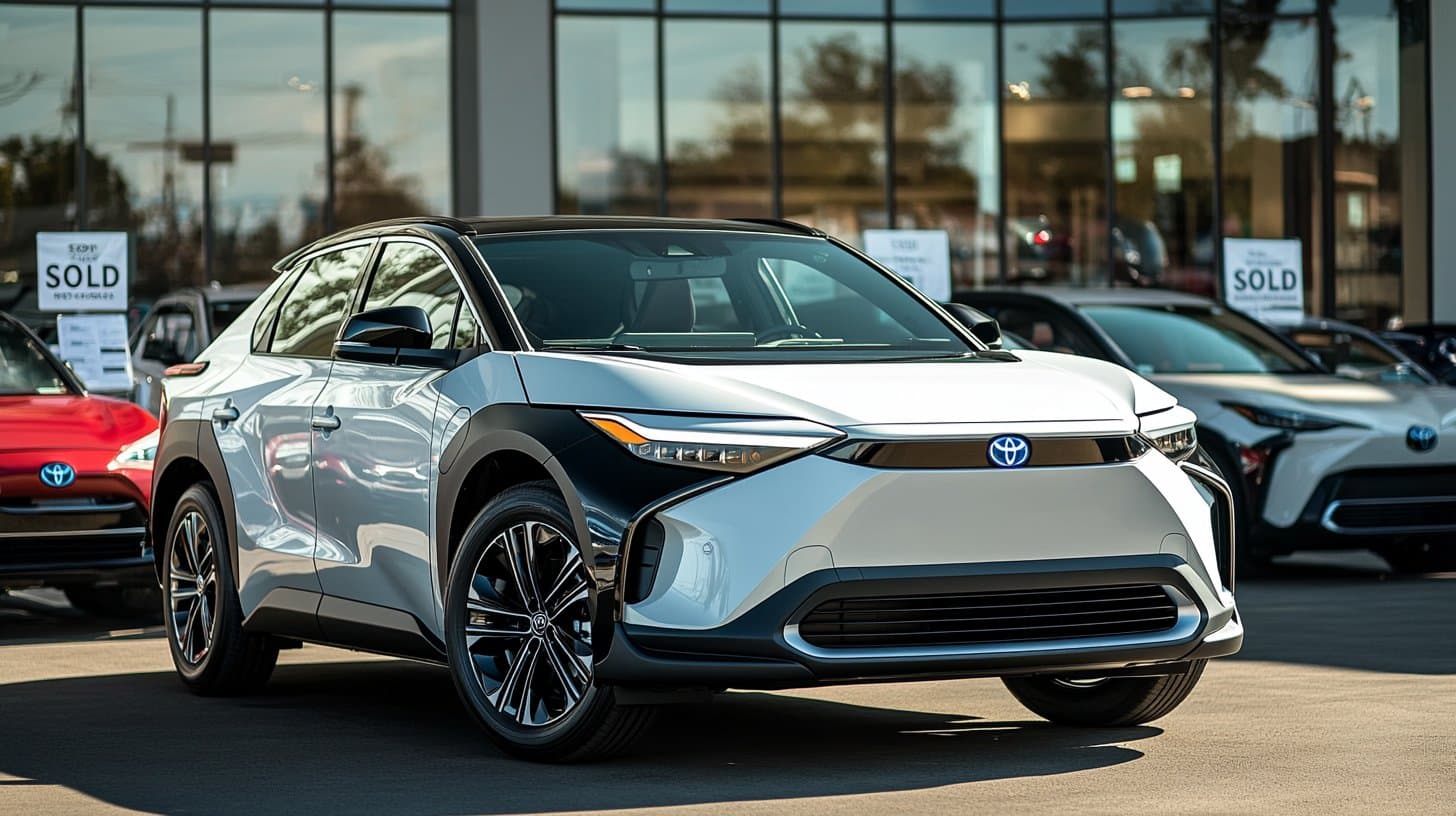
It's the comeback story nobody saw coming. Toyota's bZ electric SUV sold 10,029 units in Q1 2026—a 79% increase year-over-year—making it America's best-selling non-Tesla electric vehicle. The same Toyota that was mocked for dragging its feet on electrification, that bet heavily on hydrogen while competitors built gigafactories, has quietly built the EV that mainstream America actually wants to buy. Here's how the slowest starter in the EV race ended up winning it.
The Sales Data Tells the Story
Toyota's Q1 2026 numbers are remarkable not just for the volume, but for the trajectory. The bZ outsold every non-Tesla EV in America, including the Hyundai IONIQ 5 at 9,790 units, the Chevrolet Equinox EV at approximately 8,200 units, and the Kia EV6, which saw sales crash 46% to under 5,000 units. Ford fared even worse, delivering fewer than 7,000 EVs total across the Mustang Mach-E, F-150 Lightning, and Explorer EV combined.
What makes Toyota's surge even more impressive is the context. Overall EV growth in Q1 2026 was solid but not explosive—around 12% year-over-year for the industry as a whole. Toyota's 79% growth rate is nearly seven times the market average, suggesting that the bZ is actively pulling buyers from both gas vehicles and competing EVs. The Q1 2026 EV sales scorecard paints a picture of a market where Toyota is gaining share at an accelerating pace.
The 2026 bZ: What Changed
The original bZ4X that launched in 2022 was, frankly, underwhelming. Limited range, awkward styling, and a recall within weeks of launch earned Toyota harsh criticism. The 2026 bZ is a fundamentally different vehicle, and Toyota deserves credit for listening to the market and responding aggressively.
The headline improvement is range: 314 miles EPA-estimated, up from 252 miles in the previous model year. That 25% jump comes from a new battery pack with higher energy density cells sourced from Toyota's partnership with Panasonic Energy, plus improved thermal management that reduces energy loss in both hot and cold weather. For Florida buyers in particular, this translates to less range degradation during summer months—a genuine pain point with the earlier model.
Then there's the price. Toyota dropped the MSRP by $2,000 to $36,350 for the base XLE trim, making it one of the most affordable compact electric SUVs on the market. When you factor in the federal EV tax credit—which Toyota's North American manufacturing qualifies for—the effective price drops to under $29,000. That's less than the average transaction price for a new gas-powered vehicle in America.
The interior received a significant refresh as well. A new 12.3-inch touchscreen replaces the previous model's awkwardly positioned display, the digital gauge cluster has been redesigned for clarity, and wireless Apple CarPlay and Android Auto are now standard. Toyota also addressed complaints about the cabin materials, upgrading to soft-touch surfaces on the dashboard and door panels that give the interior a more premium feel consistent with the brand's reputation for quality.
Why the Timing Was Perfect
Toyota's bZ surge didn't happen in a vacuum. Several market forces converged in early 2026 that created ideal conditions for exactly this kind of vehicle.
The Early Adopter Wave Has Passed
The EV market has shifted from early adopters—tech-savvy buyers willing to tolerate range anxiety, sparse charging infrastructure, and unfamiliar brands—to mainstream consumers who want proven reliability from names they trust. Nobody trusts a brand name more than Toyota buyers. The company has spent decades building a reputation for vehicles that simply work, and for the mainstream EV buyer who is nervous about making the switch, that trust is worth more than any spec-sheet advantage.
Gas Prices Are Rising Again
After a period of relative stability, gas prices surged in early 2026, with the national average climbing above $4 per gallon for the first time in over a year. For budget-conscious buyers already considering an EV, rising fuel costs provide the final push. Toyota's massive hybrid customer base—millions of Prius, RAV4 Hybrid, and Camry Hybrid owners who are already primed to think about fuel efficiency—represents a natural pipeline to the bZ.
The Hybrid Bridge Worked
Critics lambasted Toyota for its “multi-pathway” approach to electrification, arguing that the company was using hybrids as a delay tactic. But the data suggests Toyota's hybrid strategy actually built the on-ramp to full electrification. Internal Toyota data shows that approximately 35% of bZ buyers are trading in a Toyota hybrid, compared to just 12% who are coming from a competitor's EV. The hybrid-to-EV pipeline is real, and Toyota built it over two decades of Prius and hybrid RAV4 sales.
The Competition Is Struggling
Toyota's rise to the top of non-Tesla EV sales is partly its own achievement and partly a reflection of missteps by competitors. The Hyundai IONIQ 5 remains a strong product, but at 9,790 units, its growth has plateaued as the model enters its fourth year without a major redesign. Hyundai's attention has shifted to the IONIQ 5 N performance variant and the upcoming IONIQ 7 SUV, leaving the standard IONIQ 5 to compete on momentum rather than freshness.
Ford's EV story in Q1 2026 is one of missed opportunities. Fewer than 7,000 EVs delivered across the entire lineup reflects ongoing production challenges with the F-150 Lightning, soft demand for the aging Mustang Mach-E, and a slow ramp-up of the Explorer EV. Ford CEO Jim Farley has acknowledged that the company needs to “fundamentally rethink” its EV strategy, and the Q1 numbers underscore the urgency.
The Kia EV6's 46% sales decline is perhaps the most alarming figure in the Q1 data. Once a darling of the EV market, the EV6 has been cannibalized by Kia's own EV9 SUV and faces increased competition from vehicles like the Toyota bZ that offer similar capability at a lower price. The EV6's upcoming redesign for 2027 can't come soon enough.
Toyota's Brand Advantage: Trust and Access
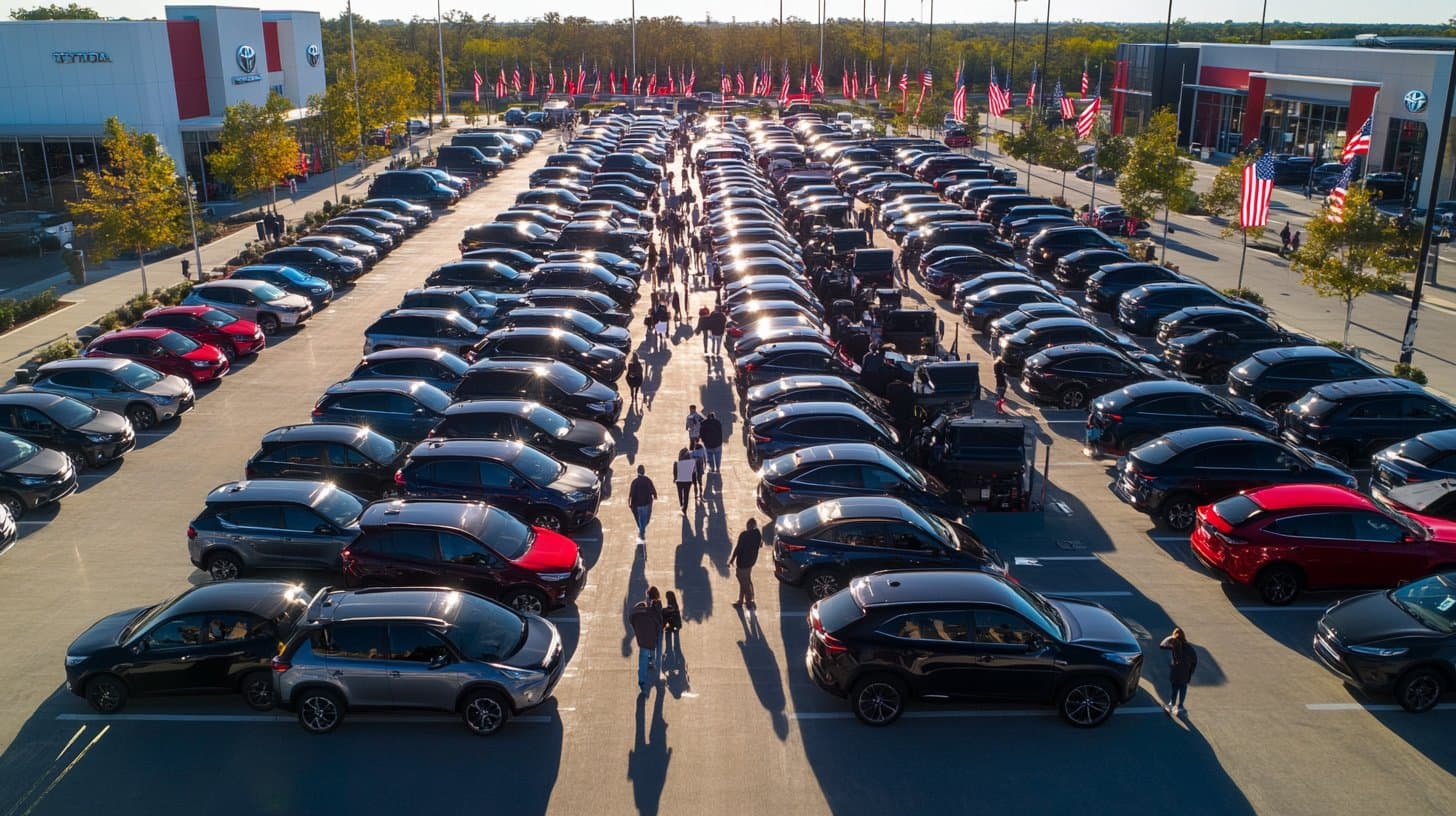
Beyond product improvements, Toyota has a structural advantage that no startup or smaller automaker can match: its 1,200-dealer network across the United States. While Rivian, Lucid, and even Hyundai/Kia struggle with uneven dealer coverage, Toyota has a physical presence in virtually every American community. For mainstream buyers who want to see, touch, and test-drive an EV before committing, and who want to know there's a service center within 30 minutes of their home, Toyota's dealer footprint is a decisive competitive advantage.
Toyota has also invested heavily in training its dealer network on EV sales and service. Every Toyota dealership now has at least one EV-certified technician and a Level 2 charger on-site. Many larger dealers have installed DC fast chargers, creating an additional charging option for bZ owners. This may sound basic, but it addresses one of the biggest barriers to EV adoption: the fear that if something goes wrong, there won't be anyone nearby who can fix it.
What's Coming Next from Toyota
The bZ's sales success is just the beginning of Toyota's electric offensive. The company has confirmed several new models that will expand the bZ lineup significantly over the next 18 months.
The bZ Woodland is a rugged, adventure-oriented variant with increased ground clearance, all-terrain tires, and a roof rack system designed for outdoor enthusiasts. Think Subaru Outback energy but fully electric. Toyota is targeting a starting price under $40,000 and expects the Woodland to appeal to buyers in mountain and rural markets who have been underserved by the current EV lineup.
The C-HR Electric brings Toyota's popular subcompact crossover into the EV era, targeting a starting price under $32,000 with approximately 260 miles of range. This will be Toyota's entry-level electric offering and a direct competitor to the Chevrolet Equinox EV and the upcoming Volkswagen ID.2.
Perhaps most intriguingly, the Highlander EV will bring Toyota's best-selling three-row SUV nameplate into the electric space. With 320 miles of expected range and seating for eight, the electric Highlander will compete with the Kia EV9 and the upcoming Chevrolet Blazer EV. Given the Highlander's existing brand recognition and the success of the hybrid version, this could be another volume winner for Toyota. Check out our complete 2026 EV tracker for the latest on all upcoming electric vehicle launches.
Lessons from Toyota's EV Success
Toyota's rise to the top of non-Tesla EV sales offers several important lessons for the broader industry—and for buyers trying to navigate the rapidly evolving market.
Price Beats Specs
The bZ doesn't have the fastest 0-to-60 time, the longest range, or the most futuristic interior in its class. What it has is the right price for the right amount of capability. At $36,350 before incentives, the bZ hits the sweet spot where mainstream buyers feel comfortable making the switch. The lesson is clear: for the mass market, affordability matters more than any single specification.
Reliability Reputation Matters
EV buyers are making a significant financial commitment, and many are nervous about the long-term reliability of a technology they're not familiar with. Toyota's decades-long reputation for building vehicles that run trouble-free for 200,000+ miles provides a level of reassurance that no amount of flashy technology can replicate. When a first-time EV buyer is choosing between a Toyota bZ and a less familiar brand, Toyota's reliability halo is worth thousands of dollars in perceived value.
Timing the Mainstream Matters
Being first to market doesn't always mean winning. Nissan was first with the Leaf, Chevrolet was early with the Bolt, and both struggled to convert their head start into sustained volume. Toyota waited, watched the market develop, and launched its improved bZ at precisely the moment when mainstream buyers were ready to buy. Sometimes, being late is being right on time.
The Hybrid Bridge Works
Toyota's multi-pathway strategy—which includes hybrids, plug-in hybrids, and battery-electric vehicles—has proven more effective at driving EV adoption than the “go all-in on BEV” approach favored by some competitors. By building a massive base of hybrid owners who are already comfortable with electrified powertrains, Toyota created a natural upgrade path to fully electric vehicles. The 35% hybrid-to-bZ conversion rate validates this strategy conclusively.
Whether you're considering a Toyota bZ or any other electric vehicle, now is an excellent time to explore your options. Browse our complete EV deals database to compare pricing and incentives across 50 models, or use our EV savings calculator to see how much you could save by making the switch.
Related Articles
Q1 2026 EV Sales Scorecard
The complete breakdown of which brands are winning and losing in the 2026 EV sales race.
GuideGas Prices Are Surging — Here's How Much an EV Could Save You
Calculate your potential savings as fuel costs climb above $4 per gallon nationwide.
GuideEvery New EV Coming in 2026: Complete Tracker
The definitive list of every new electric vehicle launching this year, including Toyota's expanded lineup.
DealsFind the Best EV Deals
Compare pricing, incentives, and availability across 50 electric vehicle models.