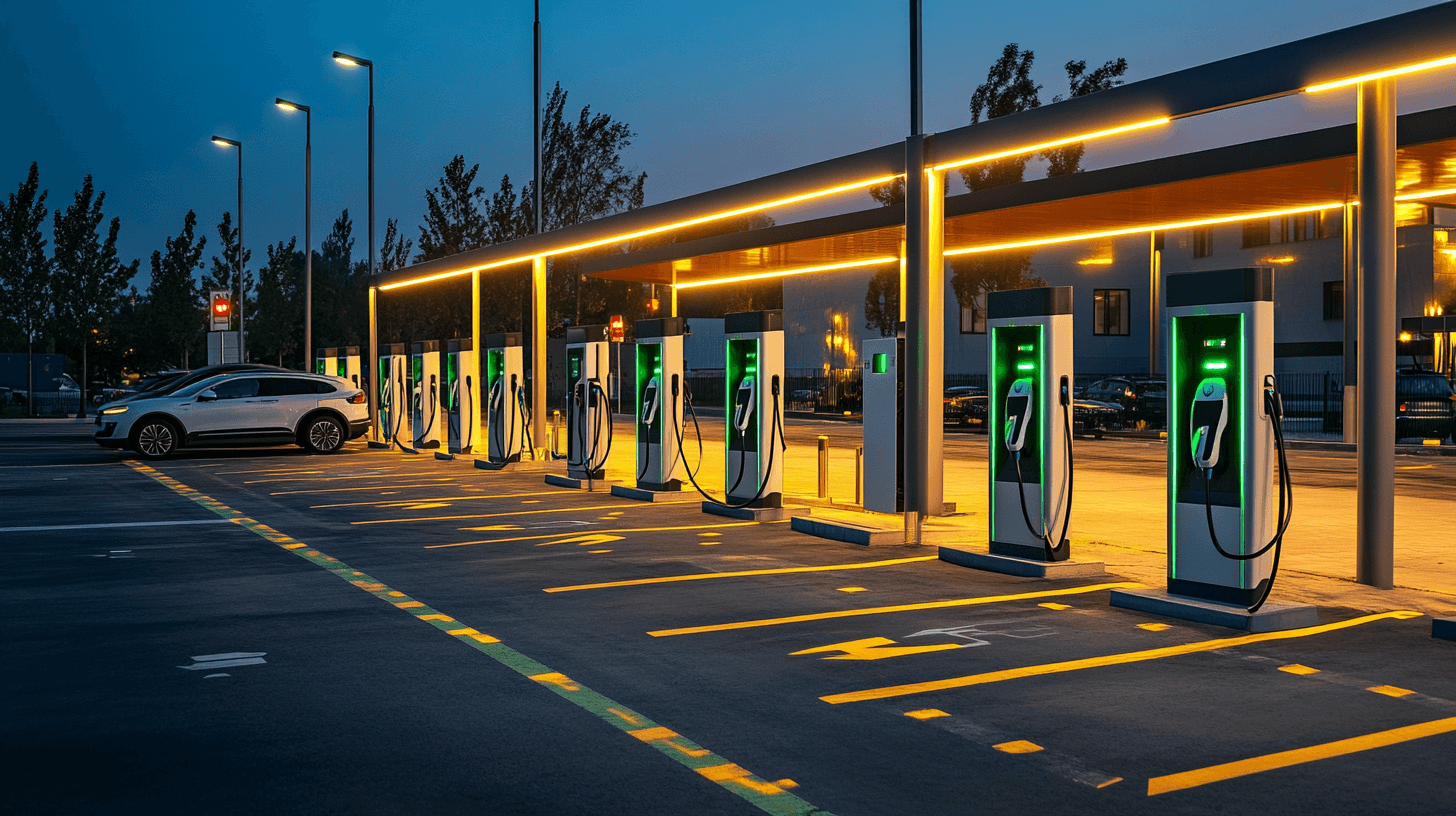
Public EV charging stations are a shared resource, and as EV adoption grows, so does competition for chargers. Whether you're a new EV owner or a veteran, following these unwritten rules keeps the charging experience smooth for everyone.
The Golden Rule: Don't Hog the Charger
The single most important etiquette rule is to move your car once charging is complete. Occupying a charger while not actively charging is the EV equivalent of parking at a gas pump and going shopping.
- ✓Set a timer or use your app — Most EV apps send notifications when charging is complete. Set a phone timer as a backup. Move your car within 5-10 minutes of completion.
- ✓Don't charge to 100% at DC fast chargers — Charging slows dramatically above 80%. You're occupying the charger for diminishing returns while others wait. Charge to 80% and move on.
- ✕Never leave your car for hours at a public charger — Even Level 2 chargers in parking garages shouldn't be treated as all-day parking spots. Once charged, move to a regular spot.
Many charging networks now charge idle fees — typically $0.40-$1.00 per minute after charging completes. These fees exist specifically to discourage lingering.
DC Fast Charging Etiquette
DC fast chargers (Level 3) are the highest-demand stations. Extra consideration is expected:
- ✓Limit sessions to what you need — If you need 30% to reach your destination, don't charge to 80% just because you can. Others may need the charger urgently.
- ✓Use Level 2 when time isn't critical — If you're at a mall or restaurant for two hours, use a Level 2 charger instead of a DC fast charger. Save the fast chargers for people who need quick top-ups.
- ✓Don't unplug someone else's car — Never disconnect another EV from a charger without permission, even if it appears fully charged. Leave a note on their windshield if you must communicate.
- ✓Return the cable properly — Hang the cable back on the holster or hook. Don't leave it on the ground where it can be driven over or damaged.
Queuing and Waiting
When all chargers are occupied, here's how to handle the wait:
- ✓Form a visible queue — Park nearby in a way that shows you're waiting. First come, first served. Don't hover or pressure the person currently charging.
- ✓Be patient and friendly — The person charging needs the charger too. A polite conversation goes further than frustration. Ask their estimated time — most people are happy to share.
- ✕Don't block charger access — Don't park behind someone at a charger in a way that traps them. They need to be able to leave when done.
- ✓Use apps to check availability — Apps like PlugShare, ChargePoint, and the Tesla app show real-time charger availability. Check before driving there to avoid unnecessary waits.
Workplace and Shared Charging
Workplace chargers and shared residential chargers have their own dynamics:
- ✓Rotate mid-day if needed — If your workplace has fewer chargers than EVs, establish a rotation. Charge in the morning, move at lunch so a colleague can charge in the afternoon.
- ✓Don't charge every day if others need it — If you charged at home and have 80% battery, let a colleague who didn't have home charging use the workplace charger instead.
- ✓Communicate in shared spaces — In apartment buildings or condo parking, a group chat or sign-up sheet for shared chargers prevents conflicts.
ICE-ing and Parking Issues
"ICE-ing" refers to internal combustion engine (ICE) vehicles parking in EV charging spots. It's frustrating, but here's how to handle it:
- ✓Report to the property manager — Most parking lots with EV chargers have management that can address ICE-ing. Many jurisdictions now have fines for non-EV vehicles in charging spots.
- ✓Use a polite note — If you must leave a note, keep it educational, not confrontational. Many ICE drivers genuinely don't realize the spot is reserved for active charging.
- ✕Don't retaliate or block — Don't block the ICE vehicle in or leave aggressive notes. It creates negative perception of EV owners.
EV owners should also avoid parking in charging spots without charging. An EV parked in a charging spot without plugging in is just as inconsiderate as ICE-ing.
Road Trip Charging Tips
- ✓Plan your stops in advance — Know where you'll charge and have backup options. Don't arrive at a charger on 5% battery with no alternative.
- ✓Arrive with a low battery — DC fast charging is fastest between 10-50%. Arriving at 50% means you're in the slow-charging zone already.
- ✓Leave at 80% — Charging from 80-100% can take as long as charging from 10-80%. Leave at 80% and charge again later if needed.
- ✓Have multiple charging apps installed — Different stations use different networks. Have ChargePoint, Electrify America, EVgo, and Tesla (if applicable) apps ready with payment set up.
Reporting Broken Chargers
Broken chargers waste everyone's time. Help the community by reporting issues:
- ✓Report in the app — Most charging apps let you report broken or malfunctioning stations. This helps the network prioritize repairs.
- ✓Update PlugShare — Leave a check-in noting the issue. Other drivers will see it and avoid wasted trips.
- ✓Call the support number — Most chargers have a phone number on the unit. A quick call often resolves issues faster than app reports.
Final Thoughts
EV charging etiquette comes down to the same principle as any shared resource — be considerate. Charge what you need, move when you're done, and communicate when there's a queue.
As the charging network grows, many of these friction points will diminish. But while charger availability is still catching up to demand, following these unwritten rules makes the experience better for everyone — and gives the broader community a positive impression of EV owners.