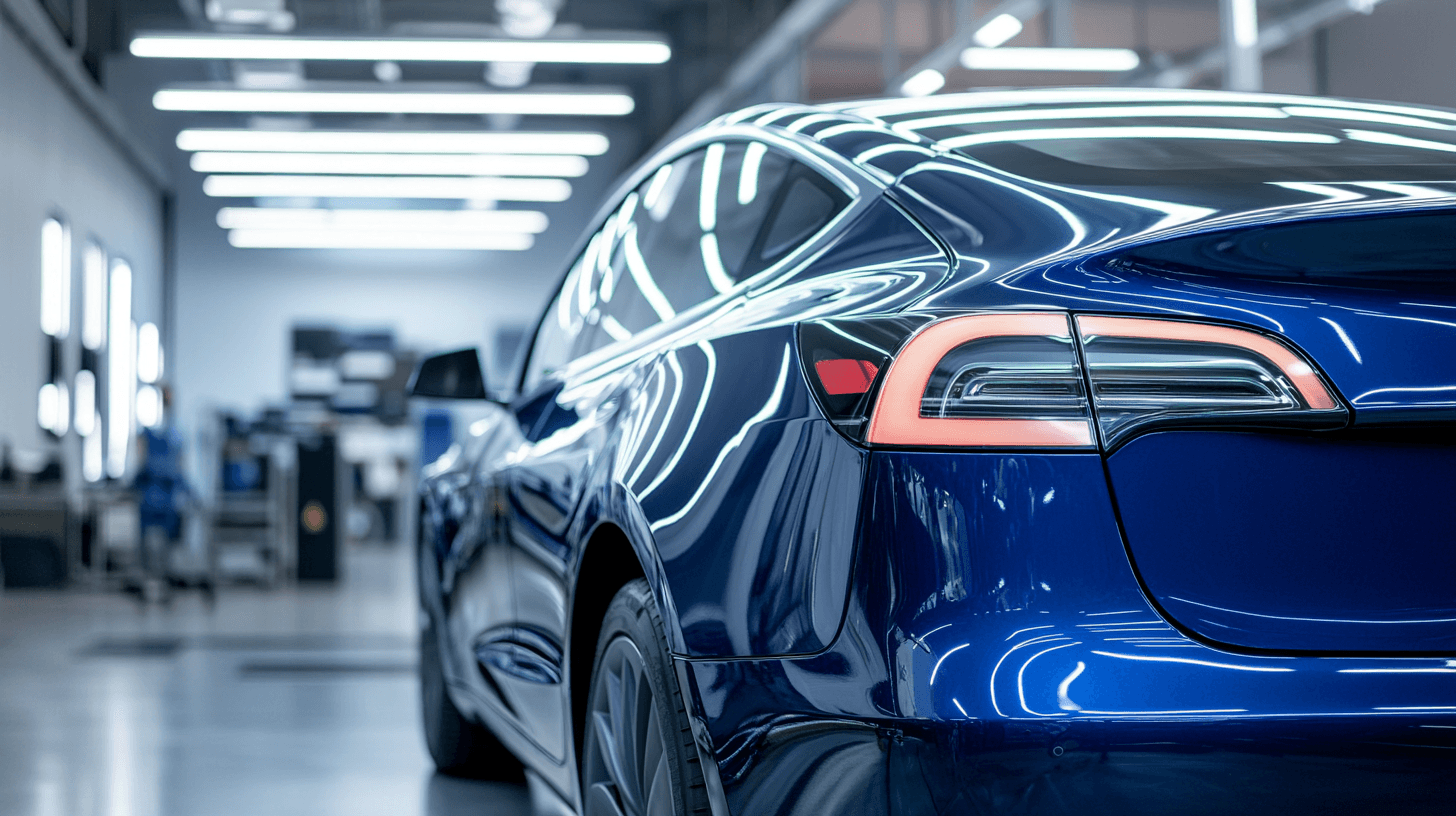
Window tinting is one of the most popular modifications for electric vehicles — and for good reason. Beyond aesthetics, the right tint reduces cabin heat, protects your interior from UV damage, increases privacy, and can even improve your EV's range by reducing air conditioning load. Here's everything you need to know about choosing tint for your electric vehicle.
Why Window Tinting Matters More for EVs
- •Range preservation — Air conditioning is one of the biggest battery drains in hot weather. Quality ceramic tint can reduce cabin temperature by 15-25°F, meaning less A/C usage and more range. Some owners report 5-8% range improvement in summer months.
- •Glass roof protection — Many EVs (Tesla, Polestar, Rivian) have large glass roofs that let in significant heat and UV. Tinting the roof glass is nearly essential in sunny climates.
- •Interior preservation — UV rays fade and crack leather, vegan leather, and dashboard surfaces. Quality tint blocks 99% of UV radiation, extending the life of your interior.
- •Screen visibility — EVs rely on large touchscreens. Tint reduces glare on the display, making it easier to read in direct sunlight.
Types of Window Tint
1. Ceramic Tint (Recommended for EVs)
Uses nano-ceramic particles to block infrared heat without relying on metals or dyes. It's the best option for EVs because it doesn't interfere with GPS, cellular, Bluetooth, or key fob signals.
Heat rejection: 50-80% | UV rejection: 99%
Cost: $400 - $800 (full car)
Durability: 10+ years, no fading or bubbling
Top brands: 3M Ceramic IR, XPEL XR Plus, Llumar IRX
2. Carbon Tint
Uses carbon particles embedded in the film. Good heat rejection and a matte finish that complements modern EV styling. No signal interference.
Heat rejection: 40-60% | UV rejection: 99%
Cost: $250 - $500 (full car)
Durability: 5-10 years
Best for: Budget-conscious buyers who want good performance
3. Metallic Tint (Avoid for EVs)
Uses metallic particles for heat rejection. While effective at blocking heat, the metal content interferes with electronic signals — a serious problem for EVs that depend on connectivity.
Can block: GPS, cell signal, Bluetooth, key fob, toll transponders
Cost: $200 - $400 (full car)
Not recommended for EVs — signal interference can affect navigation, phone connectivity, and keyless entry.
4. Dyed Tint (Budget Option)
Uses dye layers to darken the glass. Cheapest option but provides minimal heat rejection. The dye fades to purple over time, especially in sunny climates.
Heat rejection: 15-30% | UV rejection: 90-95%
Cost: $100 - $250 (full car)
Durability: 2-5 years before fading
Tint Darkness Levels (VLT)
Visible Light Transmission (VLT) is the percentage of light that passes through the tint. Lower VLT = darker tint. Each state has different legal limits, so check your local laws before choosing.
- 70% VLT — Nearly clear. Blocks heat and UV without visible darkness. Legal everywhere. Popular for windshields.
- 50% VLT — Light tint. Subtle darkening, good heat rejection. Legal in most states for front windows.
- 35% VLT — Medium tint. Noticeable but not aggressive. Most popular choice for front side windows.
- 20% VLT — Dark tint. Strong privacy. Common for rear windows. May not be legal for front windows in your state.
- 5% VLT ("Limo tint") — Very dark. Maximum privacy. Typically only legal for rear windows in select states.
EV-Specific Tinting Considerations
- 1.Glass roof tinting — If your EV has a panoramic glass roof, consider ceramic tint on it even if you don't tint other windows. The roof is the biggest source of heat gain and UV exposure.
- 2.Windshield tint strip or clear ceramic — A ceramic tint strip across the top of the windshield or a full clear ceramic film (70% VLT) blocks heat without affecting visibility or legality.
- 3.Camera and sensor windows — EVs with autopilot, driver-assist, or surround-view cameras need clear zones around those sensors. A good installer knows where to leave gaps.
- 4.Avoid metallic films — As mentioned above, metal-based tints can interfere with your EV's electronics. Always specify ceramic or carbon film.
How to Choose an Installer
- •Ask about EV experience — Tinting curved glass roofs and working around sensors requires specific experience.
- •Request ceramic film specifically — Some shops will default to cheaper dyed or metallic film unless you ask.
- •Check the warranty — Quality ceramic tint should come with a lifetime warranty against bubbling, peeling, and fading.
- •Look at their portfolio — Ask for photos of previous EV tint jobs, especially if you have a glass-roof vehicle.
- •Get multiple quotes — Prices for the same ceramic film can vary 30-50% between shops.
Final Thoughts
For EV owners, ceramic window tint is one of the best upgrades you can make. It reduces heat, protects the interior, improves screen visibility, and can even extend your driving range. Avoid metallic films, invest in quality ceramic, and make sure your installer has experience with electric vehicles and their unique glass configurations.
Combined with proper paint protection, window tinting completes the exterior protection package for your EV.