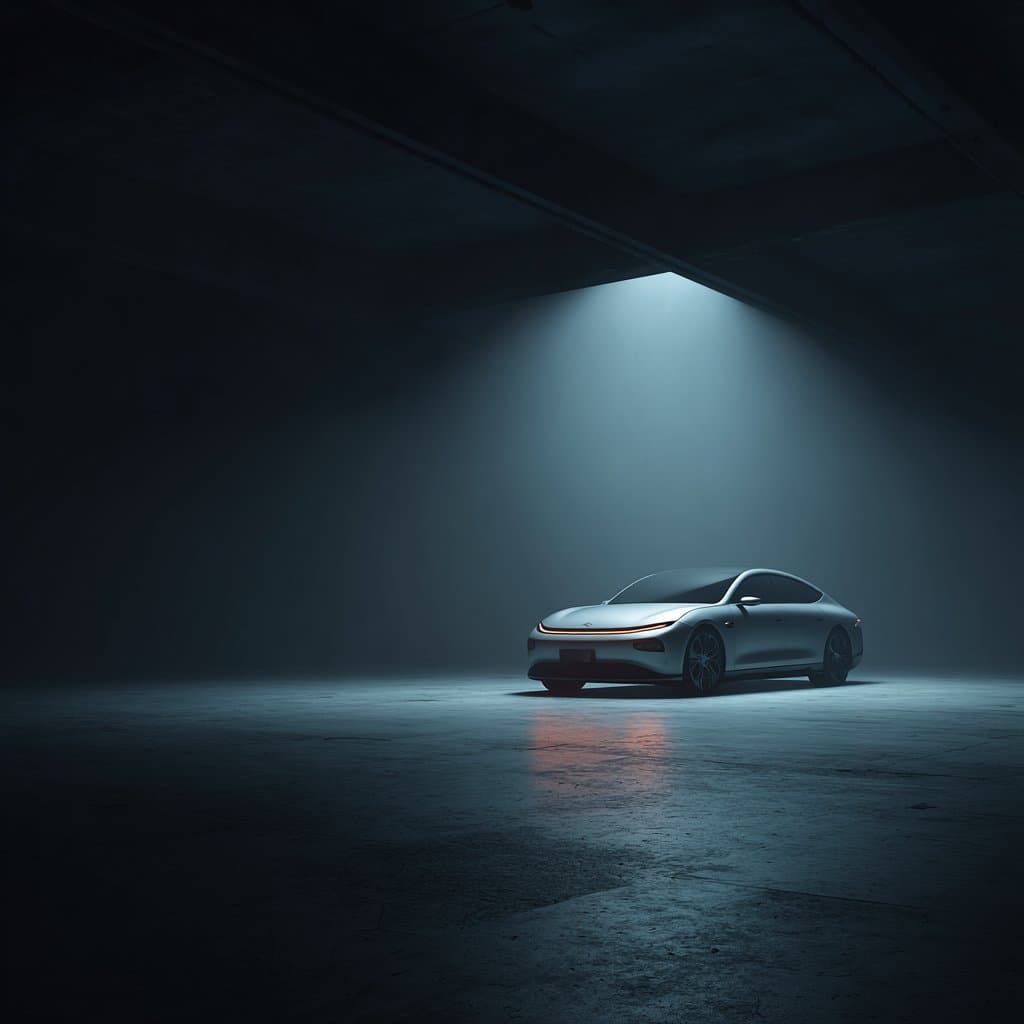
It was supposed to be the future of driving — a car born from the marriage of Sony's entertainment technology and Honda's automotive engineering. The Afeela was going to blur the line between a vehicle and a living room, with immersive entertainment, AI-powered driving assistance, and the kind of tech-forward design that would make Tesla look old-fashioned.
Instead, Sony Honda Mobility has announced it will discontinue development and cancel the launch of the Afeela 1. The partnership isn't dissolving entirely — both companies say they're “reassessing” their collaboration — but the flagship product that was supposed to justify the whole venture is dead.
What went wrong?
The ambitious idea
When Sony and Honda announced their partnership in 2022, it generated genuine excitement. The logic was compelling: Sony brings world-class sensor technology, entertainment systems, and software development expertise. Honda brings 75 years of vehicle manufacturing, safety engineering, and supply chain management. Together, they could build something neither could build alone.
The Afeela concept debuted at CES 2023 to enthusiastic reception. It was a sleek sedan packed with displays, spatial audio, and a “media bar” across the front that could communicate with pedestrians. Sony's President Kenichiro Yoshida drove one onto the CES stage. The car was cool. The vision was exciting.
The plan was to begin deliveries in 2026 — first in North America, then expanding to other markets.
What went wrong
The short answer: everything took longer and cost more than expected, and the market moved on without them.
Timing. The EV market in 2022–2023 was a gold rush. Every company with ambitions wanted in. By 2026, the landscape had hardened. Established automakers had caught up on technology. Tesla, Hyundai, and BYD had locked down the key market segments. The window for a new entrant with an unproven product had narrowed dramatically.
The market shifted toward affordability. When Afeela was conceived, the EV market was rewarding premium, high-tech vehicles. By 2026, the biggest growth is in affordable EVs — the Toyota bZ, Chevy Bolt, Kia EV3. A tech-loaded luxury sedan starting at an estimated $80,000+ was swimming against the current.
Manufacturing complexity. Sony is a technology company, not a manufacturing company. Honda's production expertise was supposed to solve this, but integrating Sony's extensive sensor and entertainment technology into a mass-production vehicle proved more challenging than anticipated.
Difficult market conditions. The expiration of the US EV tax credit, economic uncertainty, and a general cooling of enthusiasm for new EV brands created headwinds. Investors and executives looked at the Afeela's projected costs, the increasingly competitive market, and the uncertain demand — and the math stopped working.
The partnership dynamic. Joint ventures between companies from different industries have a mixed track record at best. Sony and Honda have fundamentally different corporate cultures, decision-making processes, and risk tolerances. Reports suggest alignment on key decisions became increasingly difficult.
What Honda is doing instead
Here's where the story gets more interesting. Honda isn't giving up on EVs — far from it. They're pivoting hard toward their own 0 Series platform, and the first product looks far more competitive than the Afeela ever was.
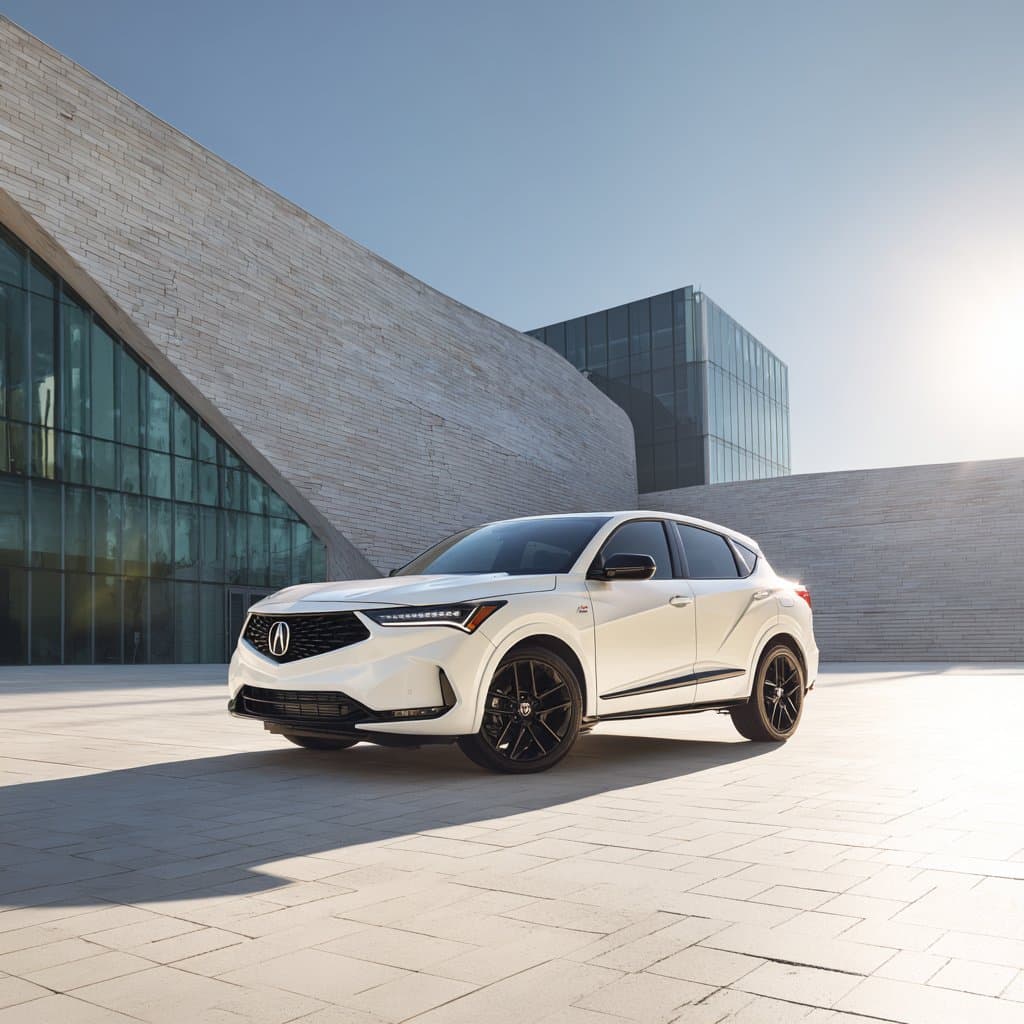
The Acura RSX is launching in the first half of 2026 as a dual-motor compact crossover built on the 0 Series platform. It targets the sweet spot of the market — a premium but not ultra-luxury electric crossover competing against the Tesla Model Y, BMW iX3, and Hyundai Ioniq 5.
Honda's 0 Series represents a complete rethink of the company's EV strategy. All 0 Series vehicles will feature Honda's new Asimo OS (named after the famous robot), with an AI assistant and full support for over-the-air updates. The platform promises over 300 miles of range and competitive charging speeds.
Two more 0 Series models are planned for 2026 — a Honda-branded sedan and a compact crossover — making it a three-model launch year. It's the most ambitious EV rollout in Honda's history.
The lesson for the industry
The Afeela's cancellation fits a broader pattern. The list of paused, canceled, or delayed EVs keeps growing as companies adjust to last year's policy changes and a more demanding market.
Apple spent years and billions on Project Titan before canceling its car program. Fisker went from a buzzy startup to bankruptcy in a matter of months. Lordstown Motors, Arrival, and others have all stumbled or failed entirely.
The common thread: building cars is incredibly hard, incredibly expensive, and incredibly unforgiving of mistakes. The EV companies that are thriving — Tesla, BYD, Hyundai — got in early, scaled aggressively, and built their reputations over years. Late entrants without massive cost advantages or truly differentiated products are finding it nearly impossible to gain traction.
What this means for car buyers
If you were waiting for the Afeela, your options are actually better now than they would have been.
The vehicle segment the Afeela targeted — premium electric sedans and crossovers — is now served by proven products from established brands. The Lucid Air offers the long-range, tech-forward luxury sedan experience. The BMW i5 and Mercedes EQE provide traditional luxury.
For Honda loyalists, the 0 Series represents a genuine fresh start. The Acura RSX arriving in 2026 will be worth watching closely — it carries Honda's reliability reputation without the complexity and uncertainty of the Sony partnership. Honda has never built a long-range EV for the US market. The 0 Series is their moment to prove they can compete in a segment they've largely sat out.