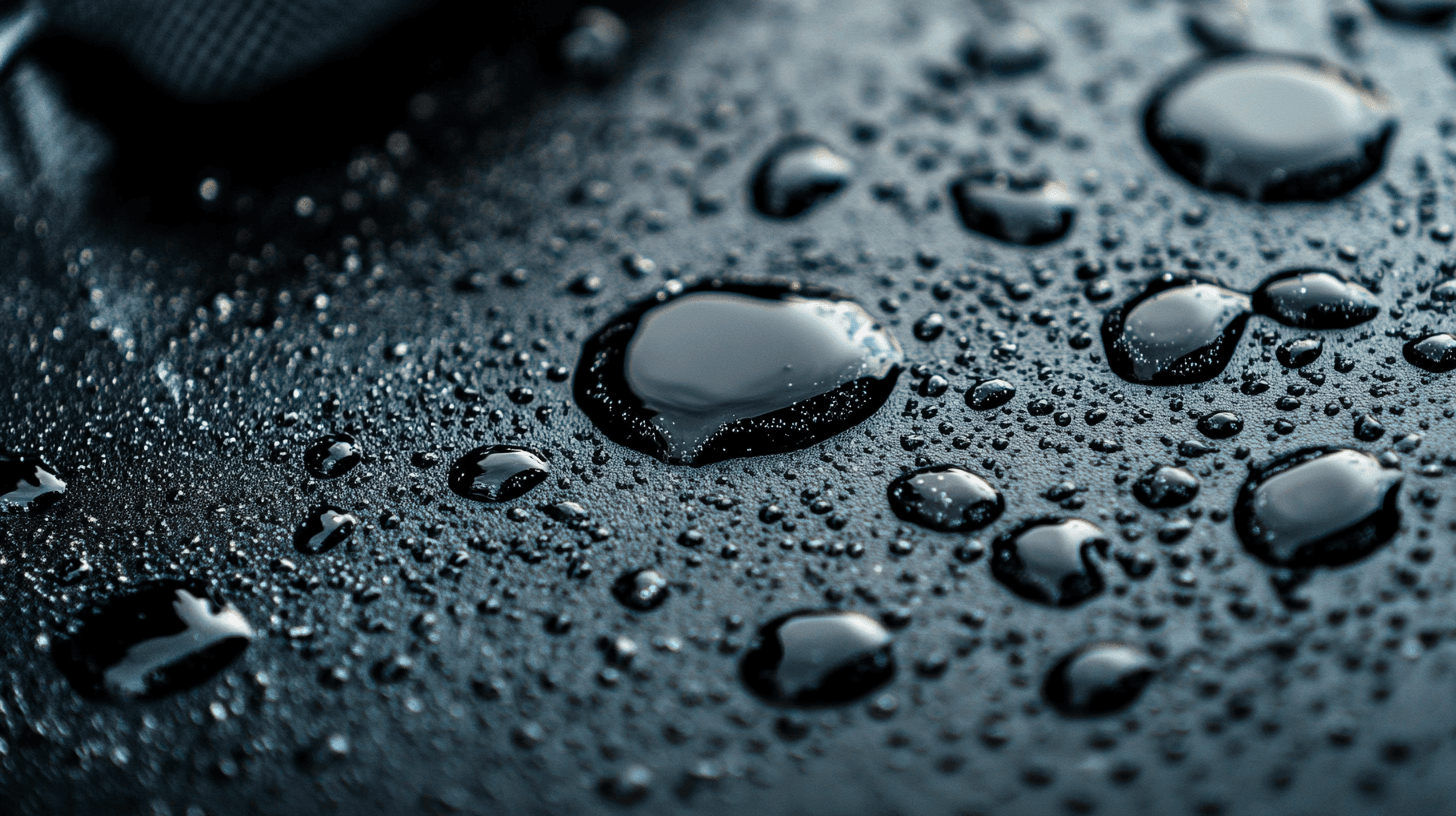
Water spots are one of the most common and frustrating paint issues car owners deal with. They look harmless at first — just a few dried droplets — but left untreated, they can etch permanently into your clear coat. Here's how to identify, remove, and prevent them.
What Causes Water Spots?
Water spots form when water evaporates and leaves behind dissolved minerals — primarily calcium, magnesium, and silica. The source of the water determines how difficult the spots are to remove:
- •Hard water (sprinklers, tap water) — Contains high concentrations of calcium and magnesium. These create the white, chalky spots you see most often. Moderate to remove.
- •Rain water — Picks up airborne pollutants, acid, and particulates as it falls. Acid rain spots can etch the clear coat faster than mineral deposits.
- •Well water — Often has the highest mineral content. Well water spots are the most stubborn and most likely to cause permanent etching if left for days.
The Three Types of Water Spots
| Type | Description | Severity | Removal |
|---|---|---|---|
| Type I — Surface | Mineral deposits sitting on top of the paint | Mild | Vinegar solution or water spot remover |
| Type II — Bonded | Minerals partially embedded in the clear coat | Moderate | Clay bar + polish |
| Type III — Etched | Minerals have chemically etched into the clear coat | Severe | Compound + polish (professional) |
Step-by-Step Removal Guide
Method 1: Vinegar Solution (Type I Spots)
This works for fresh surface-level water spots that haven't bonded to the paint.
- Mix solution — Combine equal parts white distilled vinegar and distilled water in a spray bottle.
- Wash the car first — Always start with a clean surface. Rubbing minerals into dirt creates scratches.
- Spray and soak — Apply the vinegar solution to the affected area. Let it sit for 60-90 seconds but do not let it dry.
- Wipe gently — Use a clean, damp microfiber towel to wipe the area. The acid in vinegar dissolves the mineral deposits.
- Rinse and dry — Rinse with clean water and dry immediately with a separate microfiber towel.
⚠️ Do not use vinegar on freshly applied ceramic coatings, PPF, or vinyl wraps. The acid can degrade the protective layer.
Method 2: Clay Bar Treatment (Type II Spots)
When vinegar doesn't cut it, the minerals have bonded to the clear coat. A clay bar physically lifts embedded contaminants.
- Wash and dry — Start with a freshly washed car.
- Spray clay lubricant — Work in 2x2 foot sections. Never clay a dry surface — it will scratch.
- Glide the clay bar — Move the clay bar back and forth (not in circles) with light pressure. You'll feel the rough spots become smooth as contaminants are pulled into the clay.
- Fold and inspect — Fold the clay to expose a clean surface regularly. When the clay bar turns dark, discard it.
- Follow with polish — Clay removes contaminants but can leave light marring. A finishing polish restores gloss.
Method 3: Machine Polish (Type III — Etched Spots)
Etched water spots require removing a thin layer of clear coat to level the surface. This is where most DIYers should consider professional help.
- Assess the damage — Run your fingernail across the spot. If you can feel an indentation, it's etched.
- Start with a light compound — Apply a medium-cut compound with a dual-action polisher on a microfiber cutting pad.
- Work in small sections — 2x2 foot areas at medium speed. Let the compound do the work — don't apply heavy pressure.
- Follow with finishing polish — After the etching is leveled, restore clarity and gloss with a fine polish.
- Protect the surface — Apply wax, sealant, or ceramic coating to prevent future water spots from bonding.
⚠️ If etching is deep enough that compounding doesn't fully remove it, the clear coat may be too thin for further correction. A professional can measure clear coat thickness before proceeding.
How to Prevent Water Spots
- ✓Dry your car after every wash — Water spots only form when water evaporates on the surface. Use a dedicated drying towel or air blower.
- ✓Apply ceramic coating or sealant — Hydrophobic coatings cause water to bead and sheet off rather than sitting on the paint. This dramatically reduces water spot formation.
- ✓Avoid sprinklers — Park away from lawn sprinklers. Sprinkler water is the #1 cause of severe water spots because it's hard water that sits for hours in direct sun.
- ✓Use filtered water for washing — A deionized water system (spot-free rinse) eliminates minerals from the final rinse. It's the single most effective prevention tool.
- ✓Don't wash in direct sunlight — Water evaporates faster in sun, leaving minerals behind before you can dry them. Wash in shade or during cooler hours.
Products That Work
- •Dedicated water spot removers — Products like CarPro Spotless or Gtechniq W9 are formulated to dissolve mineral deposits without damaging coatings.
- •Clay bar kits — Chemical Guys or Meguiar's clay kits include the bar and lubricant. Synthetic clay mitts are reusable and easier for beginners.
- •Dual-action polisher — A DA polisher (Griots G9, Rupes LHR15) is much safer than a rotary for DIY use. It's nearly impossible to burn through paint with a DA.
Final Verdict
The key to water spot removal is acting quickly. Fresh spots come off with a simple vinegar solution. Let them sit for a week in the sun, and you might need a machine polisher and professional help. Prevention — ceramic coating, proper drying, and avoiding sprinkler water — costs far less than correction.
If your car already has stubborn etched spots you can't remove, a professional detailer with paint correction experience can restore the finish. It's typically $300-600 for a full correction — far less than repainting.