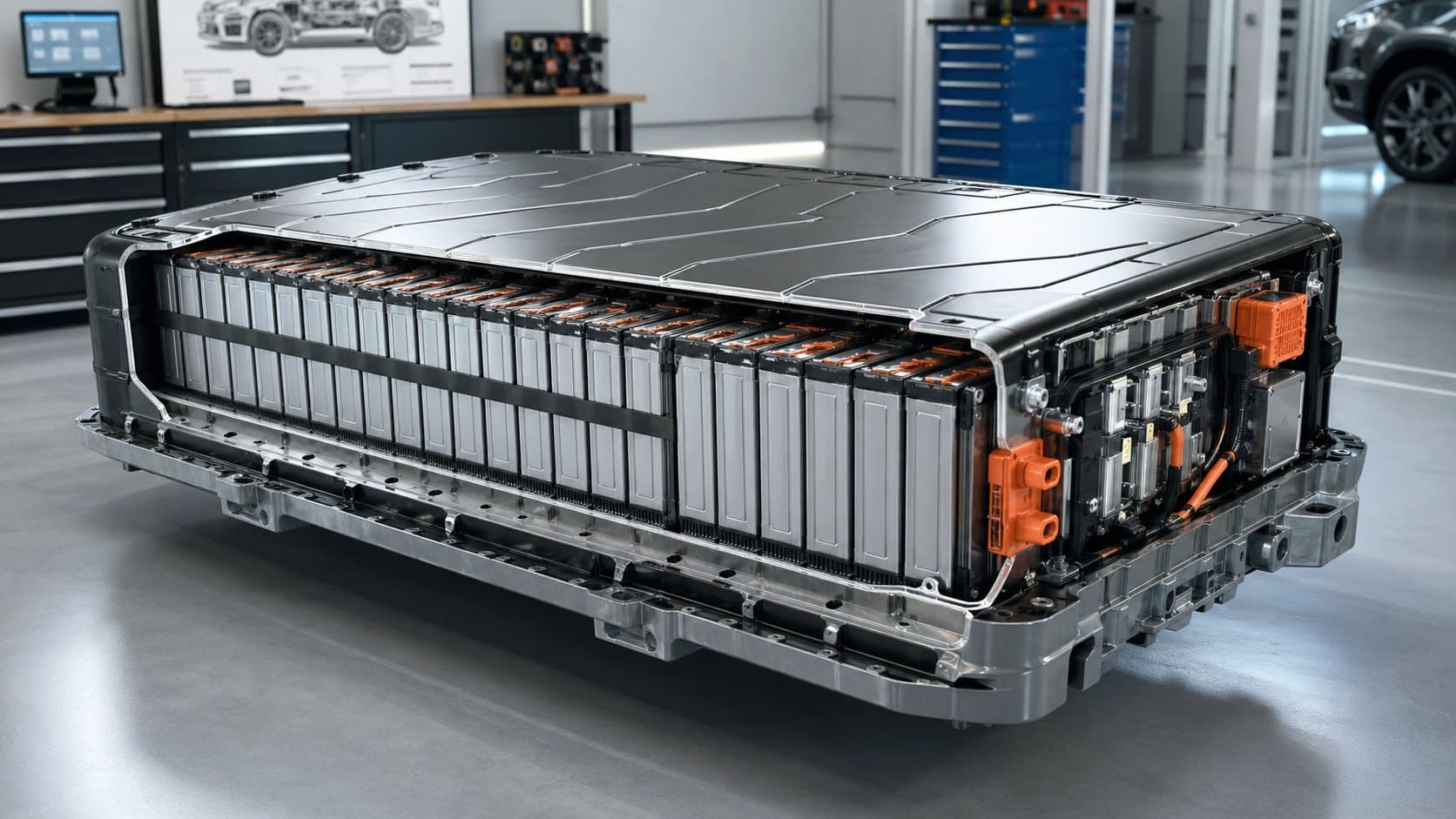
The EV industry has spent a decade in an arms race for bigger batteries and longer range — 300 miles, 400 miles, 500 miles. But in 2026, a counterintuitive shift is gaining momentum: some of the smartest automakers are deliberately making batteries SMALLER. And for most drivers, that is genuinely better news than another 100-mile range increase.
The Range Overkill Problem
The average American drives 37 miles per day. That is not a typo — 37 miles. The national highway administration has tracked this number for decades, and it barely moves. Yet the average new EV in 2026 has 290 miles of range. That means the typical EV owner uses 12–15% of their battery capacity on a normal day and hauls the remaining 85% as dead weight.
This is like buying a 50-gallon fuel tank for a car that uses 2 gallons a day. The extra capacity provides theoretical peace of mind but creates real-world penalties: the car is heavier (reducing efficiency), more expensive (batteries cost $100–$150 per kWh), and slower to charge (bigger battery = longer charge time even at the same charging speed).
What Smaller Batteries Get Right
Lower Purchase Price
A 50 kWh battery pack costs approximately $5,000–$7,500 at current cell prices. A 100 kWh pack costs $10,000–$15,000. The battery is typically 30–40% of the total vehicle cost — meaning a smaller battery directly reduces the sticker price by thousands of dollars. The Chevrolet Equinox EV at $33,900 with a standard-range battery demonstrates this: affordable EVs become possible when the battery is sized for real-world use rather than theoretical maximum range. For more affordable picks, see our guide to the cheapest EVs to own in 2026.
Lighter Weight, Better Efficiency
Every 100 pounds of battery weight reduces efficiency by approximately 1–2%. A 100 kWh battery pack weighs roughly 1,400 pounds. A 50 kWh pack weighs approximately 700 pounds. The lighter car uses less energy per mile, which partially offsets the smaller battery — a 50 kWh battery in a lighter car might achieve 180–200 miles of range rather than the 150 miles you would calculate from raw capacity alone.
Lighter weight also improves handling, reduces tire wear, decreases braking distances, and makes the car more pleasant to drive in every measurable way. The obsession with range has made many EVs unnecessarily heavy — and drivers feel the difference.
Faster Charging (Effectively)
A smaller battery charges from 10% to 80% faster than a larger battery at the same charging speed, because there are fewer cells to fill. A 50 kWh battery on a 150 kW fast charger reaches 80% in approximately 15–18 minutes. A 100 kWh battery on the same charger takes 30–35 minutes. For road trips, the smaller battery with more frequent, shorter stops can actually result in similar total trip times — with less waiting per stop. Check out our breakdown of EV charging costs to see how charge frequency affects total cost.
Environmental Benefits
Smaller batteries require less lithium, cobalt, nickel, and manganese — all mined materials with environmental and social impacts. A 50 kWh battery uses roughly half the raw materials of a 100 kWh battery. If the goal of EVs is environmental improvement, building the smallest adequate battery rather than the biggest possible battery aligns the product with the mission.
When You Actually Need a Big Battery
Smaller batteries are not universally better. You need a larger battery if your daily driving regularly exceeds 150 miles (long-distance commuters, rural residents), you live in a cold climate where winter range loss of 20–30% brings a small battery below comfortable daily range, you cannot charge at home and rely entirely on public charging (less frequent charging sessions mean you need more stored range), or you tow regularly (towing can reduce range by 30–50%).
For these specific use cases, the 300+ mile battery remains the right choice. But these represent approximately 15–20% of American drivers — the other 80% are hauling battery capacity they will never use. If you're weighing electric vs. hybrid options, our EV vs hybrid vs gas comparison for 2026 walks through the tradeoffs.
The Automakers Getting It Right
The Chevrolet Equinox EV offers both a standard-range and long-range battery option — letting buyers choose the battery that matches their actual needs rather than forcing everyone into the expensive long-range pack. Tesla's rumored affordable model targets a smaller battery optimized for urban and suburban use. The Slate Truck entering production in late 2026 offers a 52.7 kWh pack specifically for the work-truck buyer who drives predictable daily routes and charges at home every night.
This trend toward right-sized batteries will define the affordable EV market for the next decade. The question for buyers shifts from “how much range can I get?” to “how much range do I actually need?” — and the honest answer, for most people, is less than they think.
The Bottom Line
The best battery is not the biggest battery — it is the battery that matches your actual driving pattern at the lowest cost and weight. If you drive 40 miles daily and charge at home, a 150–200 mile range EV at $28,000–$35,000 serves you better than a 350-mile EV at $50,000. The smaller battery costs less to buy, charges faster, weighs less, and wastes fewer resources.
The range arms race was necessary to prove EVs were viable. Now that viability is proven, the smartest move is right-sizing. Check your actual daily mileage — you might be surprised how little range you actually need. Browse current models on our EV deals page to find a right-sized EV that matches your real driving needs.